
Nine out of ten CR-V owners do the same thing every cold morning — let the engine idle for five to fifteen minutes before driving.
You’ve probably been doing it since the day you brought the car home.
That’s #1 on this list.
Table of Contents
1. You’re Warming Up Your CR-V Every Morning — And It’s Destroying Your Engine From the Inside
Your dad told you to let it warm up.
His dad told him the same thing.
And for carbureted engines in the 1980s, that advice made sense. But your CR-V has a turbocharged 1.5-liter direct-injection engine — and idling it cold is one of the worst things you can do to it.
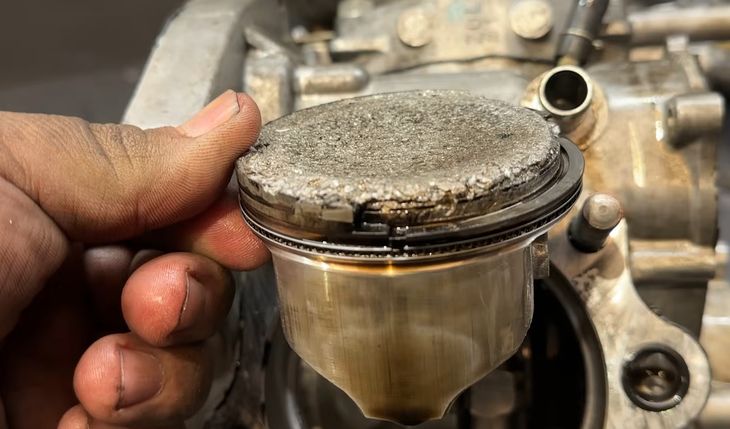
When the engine idles cold, fuel gets injected but doesn’t burn completely. That unburned fuel slides past the piston rings and drips straight into your oil pan.
This is called oil dilution. And it’s not a theory — it’s a class-action lawsuit.
Honda had to extend warranties on over a million CR-Vs because of this.
Owners were pulling dipsticks and finding oil levels higher than when they last changed it. The oil smelled like gasoline. Because it basically was.
The fix? Start the engine. Wait thirty seconds. Drive gently.
Driving under light load warms the engine three to four times faster than idling.
Every minute you sit in the driveway, you’re diluting your oil and shortening the life of a turbo that costs $2,500 to replace.
Your dad’s advice was right — for his car. Not for yours.
2. You’re Buying the Wrong Replacement Wipers — And the Dealer Counts on It

This one’s quick.
The CR-V uses a specific wiper blade size that doesn’t match most “universal fit” blades at the auto parts store.
Owners grab the closest size, snap them on, and wonder why there’s a streak right in the middle of the windshield. Or why the blade chatters every time it rains.
The wrong blade doesn’t just annoy you. It leaves a blind zone right where you need to see.
A set of correct-fit blades costs $30 to $50. The dealer charges $80 to $120 for the same job — mostly because they know you’ll be back after the auto parts store blades don’t work.
Check your owner’s manual for the exact size. Driver side and passenger side are different lengths. Get the right ones and you’ll never hear that chatter again.
Thirty seconds of reading saves you $80 and a blind spot.
Still with me? Good. Because #3 is the mistake that turns a $85 fluid change into a $4,000 transmission replacement.
3. Your CVT Fluid Has Never Been Changed — And Your Transmission Is Cooking
Here’s something Honda doesn’t make obvious.
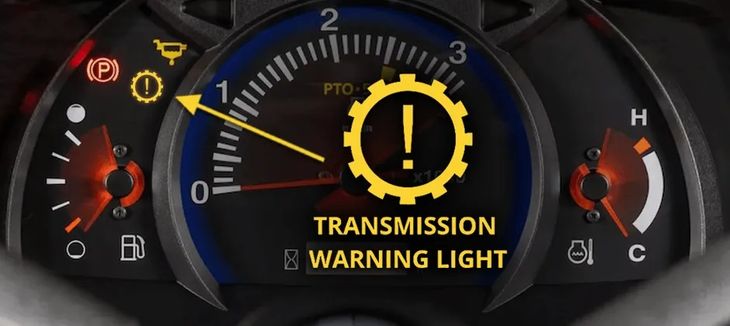
Your CR-V’s CVT transmission runs at 215 to 230 degrees Fahrenheit under normal highway driving. That’s 40 to 50 degrees hotter than a conventional automatic.
And the fluid that keeps it alive? Honda doesn’t give you a fixed mileage to change it. Just a Maintenance Minder sub-code that most owners don’t know how to read.
So the fluid stays in there. For 60,000 miles. 80,000. Sometimes 100,000.
One owner described draining his CVT fluid at 35,000 miles. It was black. It reeked so badly it nearly watered his eyes. The magnetic drain plug was covered in metal particles.
A CVT fluid change costs $85 to $120. A CVT replacement? $3,500 to $5,500.
Honda recommends changing CVT fluid every 25,000 to 30,000 miles — sooner if you drive in hilly terrain or stop-and-go traffic. Don’t wait for the Maintenance Minder.
And use Honda HCF-2 fluid only. Not aftermarket. Honda’s CVT is extremely sensitive to fluid type. The wrong fluid can void your warranty and damage the transmission faster than no change at all.
4. That Green ECON Button Is Slowly Killing Your Battery

You pressed it once. The little green leaf lit up. And you never turned it off.
Here’s what ECON mode actually does that Honda doesn’t advertise.
It reduces your alternator output from roughly 14.5 volts down to about 12.5 volts. Your battery is barely being charged while you drive. Honda did this to squeeze out a fraction of a MPG for their EPA rating.
CR-V owners are notorious for burning through batteries every two to two and a half years. The forums are full of people on their third or fourth battery in five years.
Honda sacrificed the battery for 0.002 MPG in advertising.
A replacement battery runs $150 to $280. Turn ECON off around town. Your battery will last twice as long.
That’s 4 out of 7. One mistake in Part 2 is quietly destroying your AWD system — and 80% of CR-V owners don’t even know the part exists. [Read Part 2 →] But don’t skip these last 3 — #7 could save you $5,000.
5. You’ve Never Changed the Cabin Air Filter — And You’re Breathing Whatever’s Growing in There
Turn on your A/C. If you smell something musty or stale — that’s your cabin air filter.
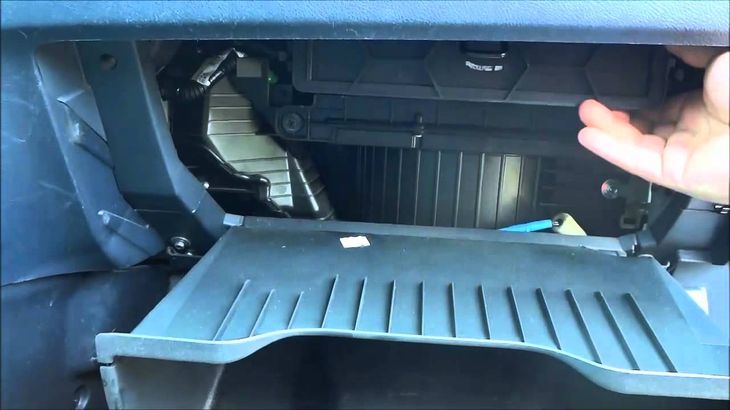
Most CR-V owners don’t know this filter exists. It sits behind the glove box, catches pollen, dust, and mold spores.
Honda recommends replacing it every 15,000 to 30,000 miles. The part costs $15 to $25. You can swap it in two minutes — no tools. Pop the glove box, squeeze the sides, slide the new one in.
The dealer charges $80 to $120 for this.
That’s a 400% markup for two minutes of work.
6. You’re Washing Your CR-V the One Way That Ruins the Paint
You have a monthly subscription to that drive-through car wash with spinning cloth brushes.
Every visit is sanding your clear coat with whatever grit the car before you left behind.
Those brushes trap dirt and debris from every vehicle that goes through. They drag that grit across your paint — creating swirl marks you can see in direct sunlight.
But it gets worse on the CR-V specifically. Multiple owners have reported the spinning brushes catching the front fender points — bending the metal upward at a 90-degree angle. Others have had side mirrors damaged.
One owner’s repair estimate? Over $1,000. From a car wash.
Honda’s newer CR-Vs use thinner paint than previous generations.
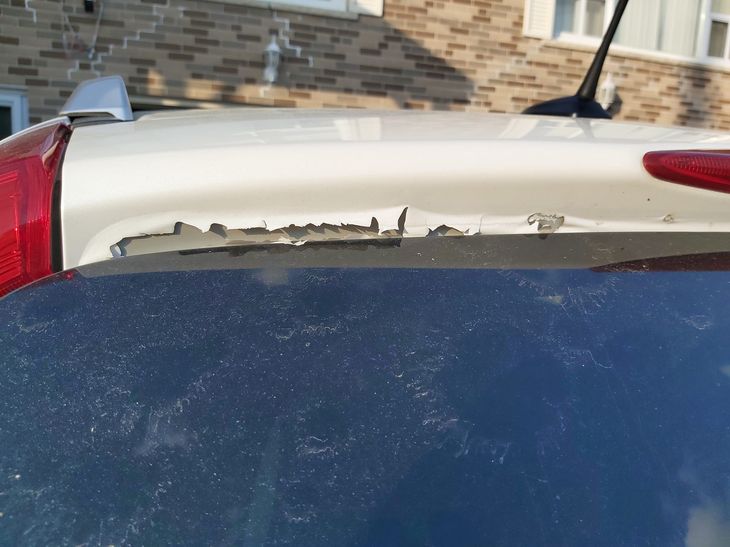
Some owners with white pearl paint have reported the clear coat peeling on its own and brush car washes accelerate that dramatically.
The safest option is a touchless wash or a two-bucket hand wash at home.
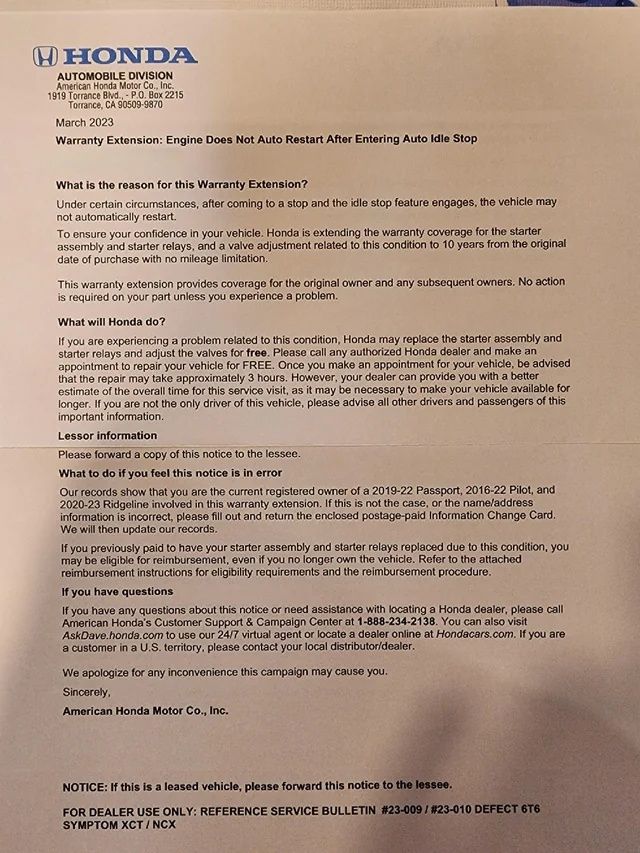
7. Honda Extended Your Warranty — And You Probably Paid $5,000 Out of Pocket Anyway
This one hurts.
In 2019, Honda quietly extended the powertrain warranty on over one million CR-Vs with the 1.5-liter turbo engine. The reason? Oil dilution — the same problem from Mistake #1.
The extended warranty covers engine damage for six years with no mileage limit — misfires, power loss, engine noise, and cylinder damage from fuel contamination.
Fuel injectors alone cost $1,500 at the dealer. A full engine repair runs $2,000 to $5,000.
And yet — owner after owner pays out of pocket. Because nobody told them about the extension. Honda sent letters. Many never opened them. Others moved and never received them.
If you own a 2017 or 2018 CR-V with the 1.5T, check with your dealer immediately. Even if you’ve already paid, Honda has a process to reimburse owners.
That’s not a hidden feature. That’s money sitting on the table.
What’s Coming in Part 2
You just caught seven mistakes. But there are eight more — and some of them are worse.
Here’s what’s waiting for you:
- The $60 fluid change you’ve never heard of — ignore it and your AWD system fails. Repair cost: $800+.
- The wrong oil viscosity — one owner’s CR-V went into limp mode 100 miles after a dealer put in the wrong weight. Diagnostic fee: $150.
- The dipstick check you’re skipping — your oil level is rising between changes. That’s not a good sign. Engine repair: $2,000 to $5,000.
- The tire rotation you’ve been skipping — it’s not just about tire life. It’s about whether your AWD can stop you in the rain.
Fixed any of these today? Let us know in the comments. Knowing the mistake is half the battle. The other half is not making it tomorrow.