
Ever crammed seven people into an SUV and realized the back row is basically a torture chamber for anyone over 4 feet tall? Yeah, been there. Last year, I borrowed a friend’s seven-seat Model Y for a family road trip, and let’s just say the kids in the third row were not happy campers.
So, when I heard Tesla’s cooking up a six-seater Model Y with captain’s chairs and a longer wheelbase, my ears perked up. This new variant, spotted in firmware leaks (2025.20 and 2025.14), swaps the cramped bench for a 2-2-2 layout with an aisle, promising more legroom and comfort for families without forcing you to shell out for the $100,000+ Model X.
But with a price bump of $3,500 to $6,500, is it worth it? As a car nerd who’s spent a decade obsessing over EVs, I’m diving into the top six cost considerations for Tesla developing six-seater Model Y, showing how it could save you up to $50,000 compared to the Model X while keeping your wallet-and your family-happy.
Price Premium: What’s the Damage?
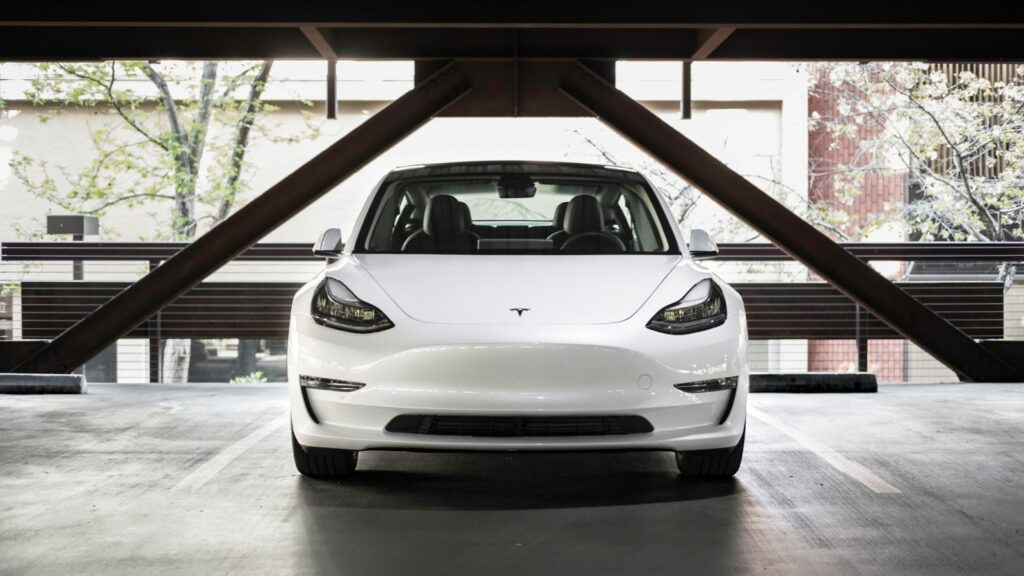
Let’s talk cash first. The six-seater Model Y is expected to cost $3,500 to $6,500 more than the five-seat version, based on how Tesla prices the six-seat Model X. If the base Model Y starts around $44,990, you’re looking at $48,490 to $51,490 for the six-seater.
That’s not chump change, but compared to the Model X’s six-seat option, which can push past $100,000, it’s a steal-potentially saving you $50,000. For families who need more than five seats, this is like getting a spacious EV without selling a kidney.
I checked out a Model X at a Tesla showroom once, and while it was fancy, the price tag made my eyes water.
Against competitors like the Rivian R1S, which starts closer to $75,000, the six-seater Model Y offers a budget-friendly middle ground. Is the extra $6,500 worth it? If you’re hauling kids and grandparents regularly, probably.
Customization Savings: Captain’s Chairs and Modular Design
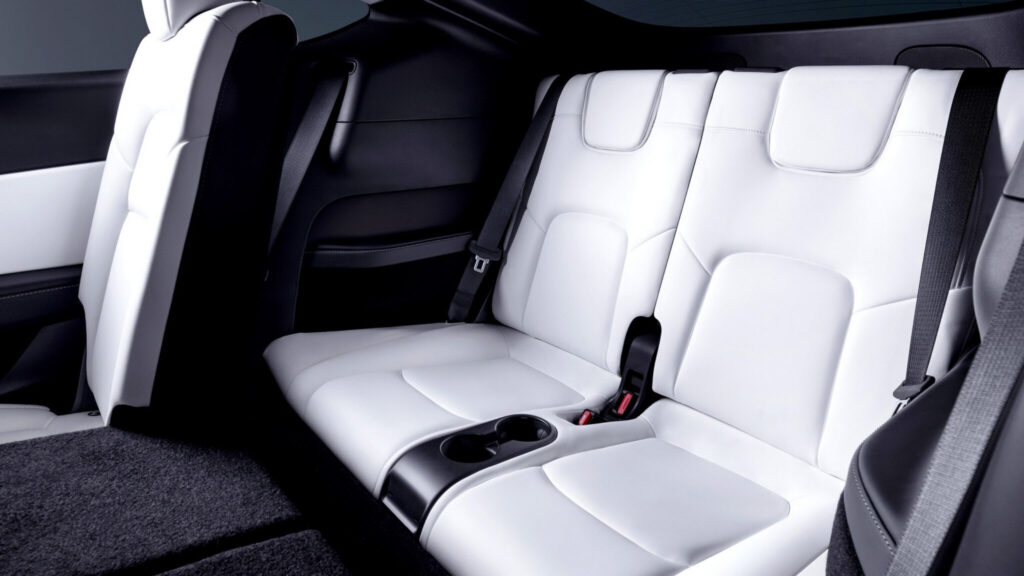
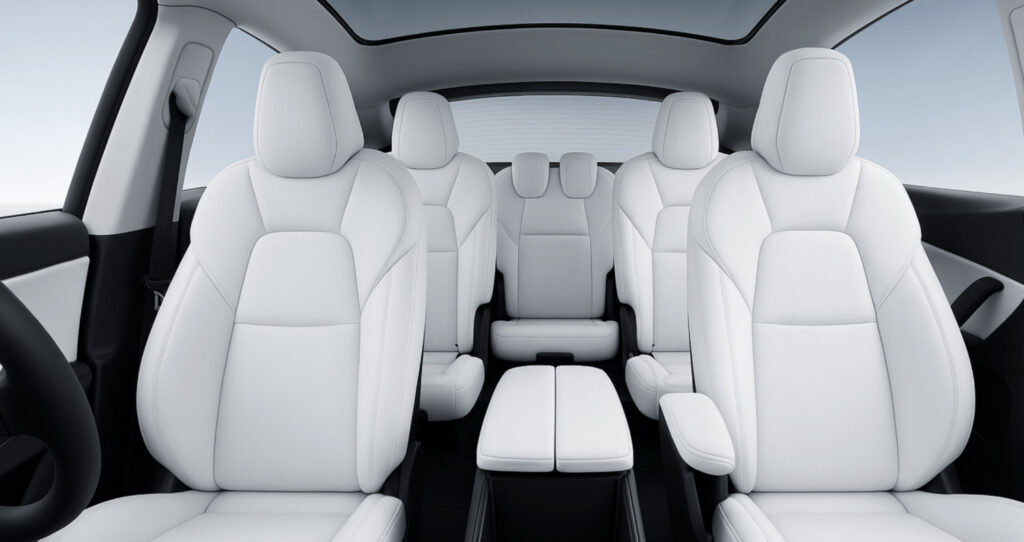
Here’s where the six-seater shines: its modular design saves you from pricey customizations. The 2-2-2 layout with captain’s chairs-think cushy armrests and an aisle to the third row—comes ready to roll, no aftermarket tinkering needed.
For fleets or families, this could save thousands compared to retrofitting a standard SUV with fancy seats. Power-reclining seats and auto-folding mechanisms are rumored to be standard, adding convenience without extra costs.
I once helped a buddy install custom seats in his old minivan, and it was a nightmare-$2,000 and a weekend gone. The Model Y’s plug-and-play setup means you’re not stuck with those headaches.
Over time, the modular design could also cut maintenance costs, as replacing a captain’s chair is simpler than fixing a whole bench. That’s money back in your pocket for road trip snacks.
Efficiency Trade-Offs: Range and Operating Costs
Now, let’s get real: the six-seater’s longer wheelbase and extra seats might shave a few miles off the Model Y’s range, which is around 300 miles for the standard model. A 5-10% drop means more charging stops, and at average U.S. rates (about $0.15 per kWh at home), that could add $50-$100 a year for daily drivers.
For fleets, multiply that by dozens of vehicles, and it stings. But Tesla’s battery tech is no slouch-think of it like a marathon runner who’s carrying a backpack but still outpaces the competition.
Home charging keeps costs low compared to gas SUVs, and apps like Tesla’s trip planner help you find cheap Superchargers. I’ve driven EVs for years, and planning charges is second nature now, like knowing where the good coffee shops are. The efficiency hit is real, but it’s not a dealbreaker if you’re smart about charging.
Maintenance Costs: New Design, New Challenges?
The six-seater’s fancy captain’s chairs and longer wheelbase sound great, but new designs can mean new gremlins. Power-reclining seats have motors and electronics, which could cost a few hundred bucks to fix if they go kaput outside Tesla’s warranty (typically 4 years or 50,000 miles).
The seven-seat Model Y’s third row hasn’t had major issues, but its simpler bench is less complex. A longer wheelbase might also stress suspension components, potentially hiking repair costs down the road.
I once owned a car with power seats that jammed, and the $500 repair bill made me curse technology. That said, Tesla’s warranty should cover early hiccups, and their service centers are getting better-my last visit was smoother than a Sunday drive. If you’re budgeting, factor in $200-$300 a year for potential seat or chassis fixes after the warranty.
Resale Value: A Premium Worth Keeping?
Here’s some good news: the six-seater’s unique layout could make it a hot ticket on the used market. EVs like the Model Y hold value well-data from Kelley Blue Book shows used Model Ys retain about 60% of their value after three years.
A spacious, family-friendly six-seater could fetch a premium, especially in markets like the U.S. or Europe, where big EVs are in demand. But there’s a catch: if Tesla delays production (no official timeline yet) or the six-seater gets mixed reviews, resale could take a hit.
I sold my old SUV right before a new model dropped, and I’m still kicking myself for the timing. For the Model Y, global availability boosts its appeal, but keep an eye on X for owner feedback once it launches. A strong resale value could offset that $6,500 premium, making it a smart long-term buy.
Cost vs. Comfort Trade-Off: Is It Worth It?
Finally, let’s weigh the big question: does the six-seater’s comfort justify the cost? The captain’s chairs and extra legroom make long trips feel like a first-class flight compared to the seven-seat Model Y’s sardine-can third row.
For families with kids or elderly passengers, the aisle means no more climbing over seats-my back thanks Tesla already. But if you rarely use the third row, the five-seater’s lower price might be smarter.
Compared to rivals like the Kia EV9, which offers seven seats for around $55,000, the Model Y’s Tesla cachet and efficiency give it an edge, but the price gap narrows.
I’ve driven cramped SUVs and spacious ones, and trust me, comfort matters when you’re stuck in traffic with screaming toddlers. If space is your priority, the six-seater’s a solid bet.
Conclusion
Tesla’s developing six-seater Model Y is like the Goldilocks of EVs-not too big like the Model X, not too cramped like the seven-seater, but just right for families. The $3,500-$6,500 premium stings, but it saves you $50,000 over the Model X, and the modular captain’s chairs cut customization costs.
Sure, range might dip, and maintenance could creep up, but strong resale value and Tesla’s efficiency keep your wallet in check. As a gearhead who’s spent a decade chasing the perfect ride, I’m excited-this Model Y could be the family hauler EV fans have been begging for.
My advice? Stalk Tesla’s website for updates and test-drive one when it drops. Who knows, you might find yourself grinning like a kid in a captain’s chair.