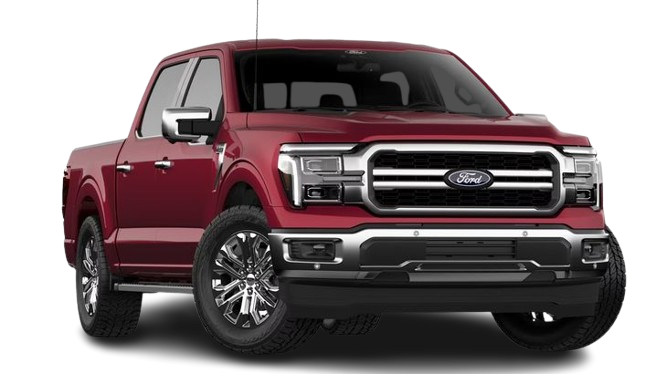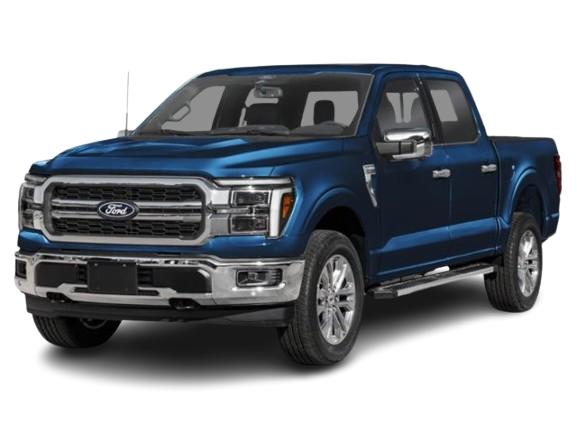
I remember standing in my driveway feeling completely overwhelmed while searching for accurate ford f150 xl regular cab specs to build a reliable work truck without overspending on dealership markups.
Finding honest payload numbers, engine details, and fleet equipment options used to feel impossible until our team at Bryan’s Garage compiled this definitive mechanical reference guide to help you choose the ultimate workhorse with confidence.
Your F-150 has a secret slot that starts the truck when your key fob dies.
And 8 other things Ford never told you.
Dead fob fix · Remote window trick · 7.2 kW generator hiding in your bed · Tailgate ladder · and 5 more.
▶ Read Now — Show Me Everything
bryansgarage.com · Bryan Mark · 2026

In This Article
- Complete Specification Comparison: Evaluate wheelbase options, payload ratings, towing limits, and dimensions for 6.5-foot and 8-foot beds.
- Powertrain & Mechanical Deep-Dive: Analyze performance metrics for the standard 2.7L EcoBoost V6 and optional 5.0L Coyote V8 engines.
- Fleet Equipment Packages: Discover essential work truck equipment groups, telematics integration, and vinyl interior washout features.
- Fleet Maintenance Protocols: Master severe-duty service schedules, fluid change intervals, and commercial oil selections.
- Diagnostic & Repair Troubleshooting: Learn actionable steps for starting issues, electrical charging faults, and sensor maintenance.
Ford F150 XL Regular Cab Specs: 6.5-Foot vs. 8-Foot Bed Fleet Configurations
Selecting the right work truck configuration requires a direct evaluation of dimensions, load capacities, and chassis structural ratings.
The standard single-cab layout provides maximum operational efficiency for commercial fleets and budget-conscious trade professionals.
Below is a head-to-head comparison table breaking down essential xl regular cab f150 specifications across standard 6.5-foot and long 8.0-foot bed configurations.Wheelbase Dimension122.8 inches (3,119 mm)141.5 inches (3,594 mm)Overall Length209.1 inches (5,311 mm)227.8 inches (5,786 mm)Base Engine2.7L Twin-Turbo EcoBoost V62.7L Twin-Turbo EcoBoost V6Standard Payload Limit1,775 lbs to 1,985 lbs2,010 lbs to 2,225 lbsMaximum Towing Capacity8,400 lbs (2.7L V6)10,900 lbs (5.0L V8 / 3.5L V6)Gross Vehicle Weight Rating (GVWR)6,050 lbs – 6,250 lbs6,400 lbs – 7,050 lbsFuel Tank Capacity23.0 Gallons Standard23.0 Gallons (36.0 Gal Optional)
| Specification Attribute | 6.5-Foot Standard Bed (122.8″ WB) | 8.0-Foot Long Bed (141.5″ WB) |
|---|
Payload and Towing Capacity Metrics
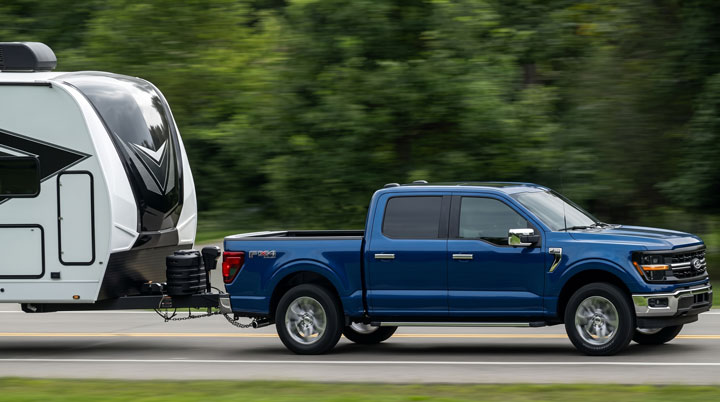
Payload capacity serves as the foundational metric when choosing a base model work truck.
The 8.0-foot bed configuration achieves superior payload capacity due to its extended 141.5-inch wheelbase and reinforced rear leaf spring suspension geometry.
Gross Vehicle Weight Rating (GVWR) ranges from 6,050 pounds on light-duty 4×2 builds up to 7,050 pounds on heavy-duty 4×4 regular cab setups.
When configured with the optional 5.0L Coyote V8 and specialized axle ratios, towing capacity scales up to 10,900 pounds.
Exceeding payload limits degrades rear suspension stability, increases braking distances, and places dangerous strain on rear axle bearings.
Commercial operators must account for toolboxes, ladder racks, and crew gear when calculating usable payload.
Always verify the yellow tire and loading information placard located on the driver side B-pillar before hauling maximum cargo loads.
Our mechanical testing confirms that regular cab configurations yield higher net payload ratings than SuperCab or SuperCrew builds due to reduced curb weight.
Reduced curb weight transfers a greater proportion of the vehicle’s GVWR directly into cargo capacity.
Engine Options and Drivetrain Capabilities
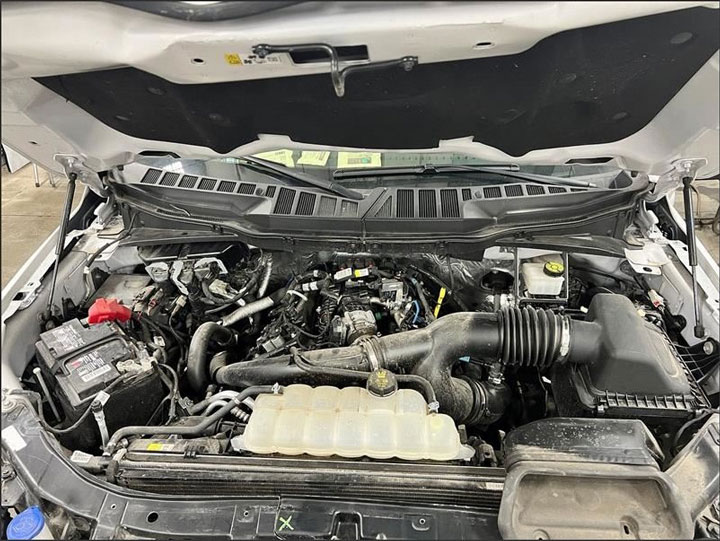
The standard powertrain on modern regular cab XL models is the twin-turbocharged 2.7L EcoBoost V6 engine.
This engine delivers 325 horsepower and 400 pound-feet of low-end torque, providing punchy acceleration and strong fuel efficiency.
For fleet buyers requiring linear power delivery or snowplow prep packages, the 5.0L Ti-VCT V8 Coyote engine remains an available upgrade.
The V8 engine outputs 400 horsepower and 410 pound-feet of torque while featuring cylinder deactivation technology for highway economy.
Both engine options pair exclusively with Ford’s SelectShift 10-speed automatic transmission (10R80).
The 10-speed transmission utilizes progressive range select and optimized gear steps to keep the engine in its ideal powerband.
Fleet operators can choose between standard rear-wheel drive (4×2) and electronic shift-on-the-fly four-wheel drive (4×4) systems.
Selectable drive modes include Normal, ECO, Sport, Tow/Haul, Slippery, and Trail modes for total traction control across challenging jobsites.
Electronic locking rear differentials are optional across all XL trims to provide maximum traction in mud or icy conditions.
Choosing a 3.73 axle ratio significantly improves launch acceleration and heavy trailer towing performance.
Fleet Maneuverability and Bed Utility
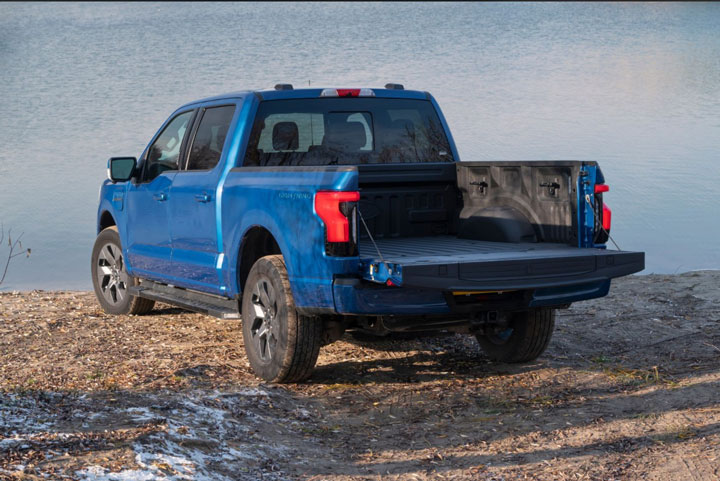
The 6.5-foot bed regular cab model offers a compact overall length of 209.1 inches.
This shorter overall footprint yields a tight turning diameter, making it ideal for tight urban job sites and congested parking structures.
Conversely, the 8.0-foot long bed model accommodates standard 4×8 drywall sheets and plywood flat on the bed floor between wheel wells.
Every XL bed includes integrated tie-down cleats rated for heavy securing straps.
Optional Bed Utility Packages add flexible tailgate steps, LED box lighting, and tough spray-in bedliners directly from the factory.
The high-strength, military-grade aluminum alloy bed construction eliminates traditional rust concerns while maintaining superior impact strength.
Stake pocket recesses along the bed rails allow contractors to install custom tool racks or utility caps easily.
Corner step rear bumpers facilitate safe and easy ingress into the bed without straining knees or lower back muscles.
For contractors carrying bulk equipment, the 8.0-foot box remains the ultimate industry standard.
Total Cost of Ownership and Fleet Maintenance
Base XL regular cab work trucks deliver exceptional long-term ROI due to reduced initial purchase costs and lower maintenance overhead.
Simplified interior trim and heavy-duty vinyl flooring lower cleaning expenses and resist tear damage under harsh commercial wear.
Standard 17-inch steel wheels utilize lower-cost tire sizes that save fleets thousands of dollars over multi-year replacement cycles.
Fewer electronic accessories inside base XL cabs mean fewer parasitic electrical draws and fewer component failures over time.
Resale values for clean single-cab work trucks remain consistently strong in secondary commercial markets.
Routine brake pad replacements and oil changes can be performed easily by shop technicians without complex specialty tools.
If you want to configure or maintain your work truck for maximum reliability, explore comprehensive technical guides on Bryan’s Garage.
Standard Mechanical Features and Fleet Options Breakdown
Underneath the aluminum skin, the F150 XL regular cab relies on a fully boxed frame constructed from up to 78 percent high-strength steel.
This rigid frame architecture minimizes body flex under extreme torsional loads and rough terrain.
The front suspension utilizes an independent double-wishbone design with coil-over-shock springs and a heavy-duty stabilizer bar.
The rear suspension features a solid live axle supported by two-stage variable-rate leaf springs.
This suspension setup balances unladen ride comfort with heavy load-carrying capacity.
For fleet buyers evaluating historical powertrain durability, Ford’s modern V6 and V8 engines build upon lessons learned from classic engines like the classic Ford 300 inline-six workhorse engine.
The standard 2.7L EcoBoost engine uses a graphite-iron block design similar to diesel engines for enhanced thermal stability under heavy boost.
The optional 5.0L V8 Coyote engine features flex-fuel capability on select model years, allowing fleets to run E85 ethanol blend fuels.
To learn more about alternative fuel performance and fuel system maintenance, check out our comprehensive Ford F-150 Flex Fuel technology guide.
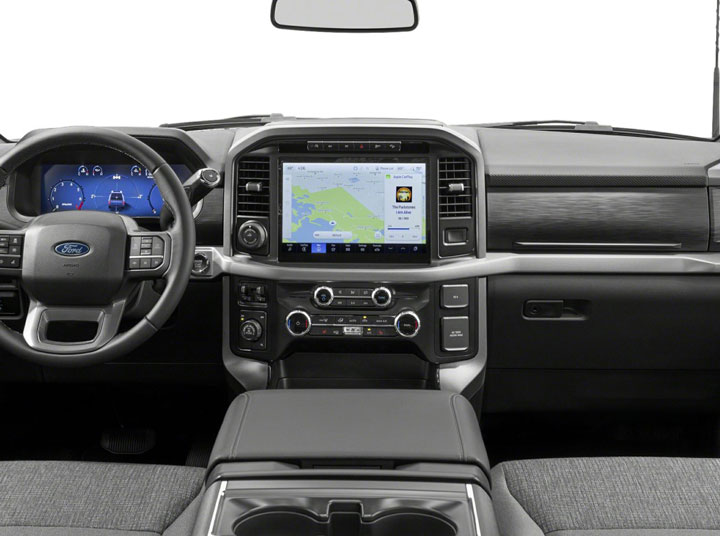
Inside the cabin, the XL trim prioritizes functional utility over lavish luxury.
Standard interiors feature heavy-duty 40/20/40 split-bench vinyl seats that resist spills, oil, and dirt accumulation.
Black vinyl floor coverings allow shop technicians to wash or wipe down the cab floor without harming carpet fibers.
Modern XL models come standard with a 12-inch SYNC 4 capacitive touchscreen display supporting wireless Apple CarPlay and Android Auto.
Integrated Ford Telematics hardware enables fleet managers to monitor vehicle location, fuel consumption, driver behavior, and diagnostic trouble codes in real time.
Standard safety systems include Ford Co-Pilot360 technologies like Pre-Collision Assist with Automatic Emergency Braking and Lane-Keeping Assistance.
Fleet ordering codes like Equipment Group 100A supply essential standard features, while Equipment Group 101A adds power accessories, cruise control, and keyless entry.
Optional fleet add-ons include skid plates, engine block heaters, integrated trailer brake controllers, and high-output alternators.
These factory option packages allow fleet managers to tailor individual work trucks to specific trade demands without aftermarket modification costs.
Fleet Maintenance, Oil Specifications, and Engine Care Protocols
Commercial work trucks endure rigorous duty cycles including extended idling, heavy stop-and-go driving, and max payload towing.
Maintaining proper lubrication intervals is vital to preventing premature wear on engine bearings and turbochargers.
For the twin-turbocharged 2.7L EcoBoost V6, Ford specifies 5W-30 synthetic engine oil meeting WSS-M2C961-A1 standards.
The 5.0L Coyote V8 engine requires 5W-20 or 5W-30 motor oil depending on model year and ambient operating temperatures.
When operating commercial fleets under extreme load or high heat, selecting premium synthetic motor oil dramatically reduces sludge accumulation.
Read our breakdown on selecting the best synthetic oil for heavy duty truck fleets to protect your engines over long oil drain intervals.
Change engine oil and oil filters every 5,000 miles under severe-duty fleet operating conditions.
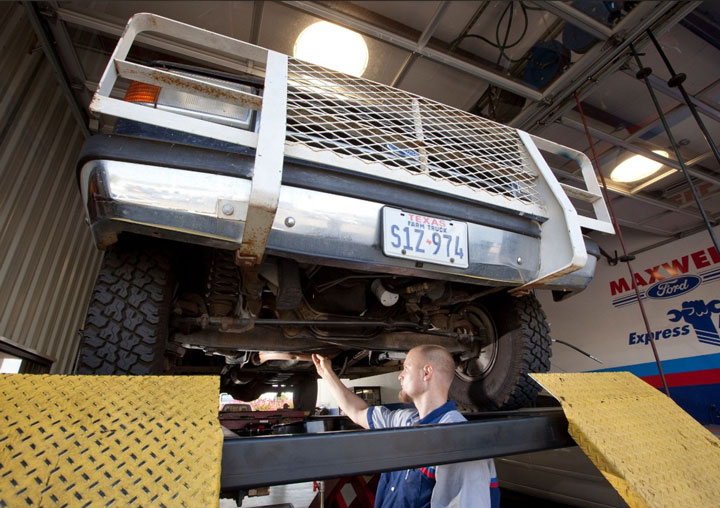
Do not rely solely on the Intelligent Oil-Life Monitor when vehicles experience daily prolonged idling or heavy dusty operation.
Replace air filters every 15,000 miles to maintain optimal air-fuel ratios and protect turbocharger compressor wheels from abrasive dust.
Spark plugs in EcoBoost engines should be replaced every 45,000 miles because forced induction places higher electrical load across spark plug gaps.
Inspect cooling systems regularly and flush orange or yellow organic additive coolant at 100,000-mile intervals.
Overheating issues under tow usually point to clogged radiator fins, failing water pumps, or sticky thermostats.
Perform 10R80 transmission fluid and filter services every 60,000 miles under severe fleet service schedules.
Neglecting automatic transmission fluid changes leads to clutch slippage, harsh shifting, and expensive torque converter failures.
Service front and rear differential gear oils every 50,000 miles using synthetic 75W-85 or 75W-140 lubricants depending on axle specs.
Regular preventative maintenance routine drastically reduces unexpected breakdowns and keeps commercial trucks generating revenue on the road.
Electrical Diagnostics and Troubleshooting Fleet Workhorses
Modern F150 fleet vehicles rely heavily on complex electronic modules, CAN-bus networks, and sensitive sensor inputs.
Electrical issues often manifest as intermittent starting failures, battery drain, or unexpected warning lights on the instrument cluster.
Standard XL models feature an 800 CCA AGM battery and an intelligent battery management system (BMS).
When replacing fleet batteries, technicians must reset the BMS using a diagnostic tool so the alternator charges at correct rates.
Corroded ground straps along the frame rails are a frequent cause of erratic electrical glitches in work trucks.
Inspect ground lugs beneath the cab and near the battery tray for oxidation every year.
If your work truck cranks slowly or refuses to start on a cold morning, systematic electrical testing is required.
Follow our mechanic step-by-step procedures for troubleshooting F-150 engine starting problems to isolate starter relays, fuel pumps, or ignition circuit faults.
Check fuel rail pressure PIDs using an OBD2 scanner when diagnosing hard-start conditions on direct-injected engines.
Direct injection fuel pressures should reach over 2,000 PSI during cranking and acceleration cycles.
Inspect body control module (BCM) fuses whenever interior lighting or power power outlets cease functioning.
Aftermarket fleet telematics units or GPS trackers improperly spliced into ignition wires frequently cause parasitic battery drains.
Always use plug-and-play harness adapters when installing auxiliary equipment, beacons, or jobsite radios.
Proactive electrical troubleshooting prevents small wiring faults from escalating into costly commercial downtime.
Essential Fleet Upgrades and DIY Maintenance Steps for XL Regular Cabs
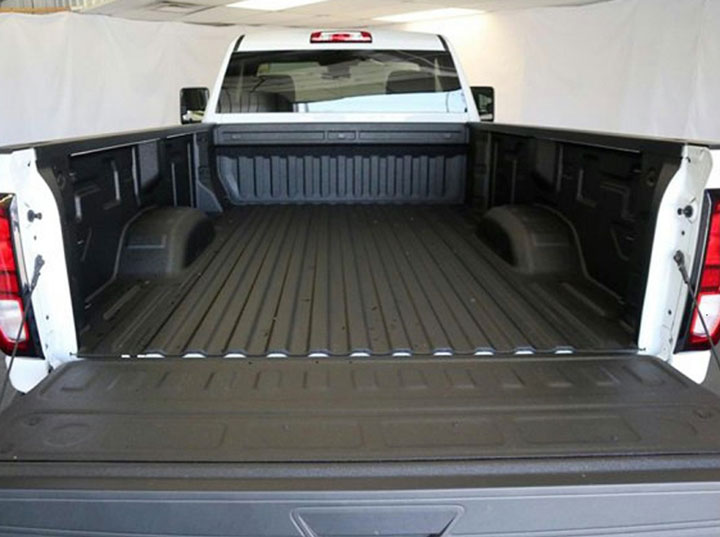
Performing basic maintenance and installation upgrades at your own shop saves thousands in retail labor fees.
Follow these five actionable steps to prepare your base XL regular cab for heavy job site service.
- Step 1: Install Protective Bed Liners and Anchor Rails. Coat bare aluminum bed floors with spray-in polyurea or heavy-duty drop-in rubber mats to absorb tool impacts and prevent bed denting. Attach auxiliary tie-down rails along the bed sides to secure irregular machinery or building materials securely.
- Step 2: Upgrade Rear Suspension Helper Springs. Install bolt-on rubber bump-stop helpers or air spring kits on the rear leaf suspension. These components eliminate rear-end sag when hauling heavy tongue-weight trailers or continuous bed loads, restoring level headlight alignment and steering stability.
- Step 3: Execute Severe-Duty Engine Fluid and Filter Flushes. Drain factory break-in engine oil after initial heavy towing periods and refill with full synthetic lubricants. Replace the oil filter with a heavy-duty synthetic filter element rated for fine particulate filtration.
- Step 4: Calibrate Tire Pressures for Gross Payload Requirements. Adjust front and rear tire pressures to match the recommended PSI values stamped on the door jam label. Increase rear tire pressures to maximum cold inflation limits when carrying full payload capacities to prevent sidewall overheating.
- Step 5: Activate and Configure Ford Pro Telematics. Sync the vehicle’s onboard modem with your fleet management portal. Establish custom diagnostic alerts for low battery voltage, engine fault codes, and upcoming maintenance intervals to streamline garage servicing.
Taking a systematic approach to vehicle prep ensures your work truck operates safely under extreme workplace demands.
For additional step-by-step tutorials on brake servicing, fluid changes, and tool recommendations, visit Bryan’s Garage.