
So, there I was, staring at a shiny Range Rover in a dealership window, drooling like a kid outside a candy store. My wallet was screaming “no way,” but my heart was already picturing me cruising through muddy trails like some off-road royalty.
Then it hit me—how did this luxury beast even get started? Turns out, Range Rover didn’t just pop out of thin air with its sleek grille and plush interiors.
Back in the day, this iconic SUV had some sneaky little secrets tucked under its hood—secrets that could’ve saved you a buck or two, or at least made you chuckle. Let’s dive into the top 6 things Range Rover kept under wraps during its early years, and trust me, it’s a wild ride!
The Humble Beginnings: A Farm Truck with Swagger

First off, did you know Range Rover started as a bit of a farmhand? Launched in 1970 by British Leyland, this wasn’t some fancy city slicker from the get-go. The original plan was to create a rugged workhorse for farmers—think tractors with a touch of class.
They used a steel monocoque body (that’s a fancy term for a single-shell structure, like an egg’s shell but for cars) to keep costs down and durability up. But here’s the kicker—they didn’t shout about it!
While competitors flaunted their luxury creds, Range Rover played it coy, letting folks discover its toughness on their own. Maybe they thought, “Why advertise a muddy boot when it can sell itself?” Smart move, right?
I once borrowed a friend’s old Range Rover for a weekend getaway—let’s call it the “Mud Monster Incident.” I was convinced it’d handle a forest trail like a champ. Spoiler: it did, but I didn’t expect to get stuck trying to impress my dog with my off-road skills.
That monocoque body held up, though, and I laughed all the way to the tow truck. Turns out, that early design was built to last, saving owners from pricey repairs even back then.
Oh, and here’s a silly thought—imagine those farmers trading their pitchforks for a Range Rover, only to realize it doubled as a status symbol. Who needs a tractor when you’ve got style?
Secret Engine Swaps: The Budget Hack No One Knew
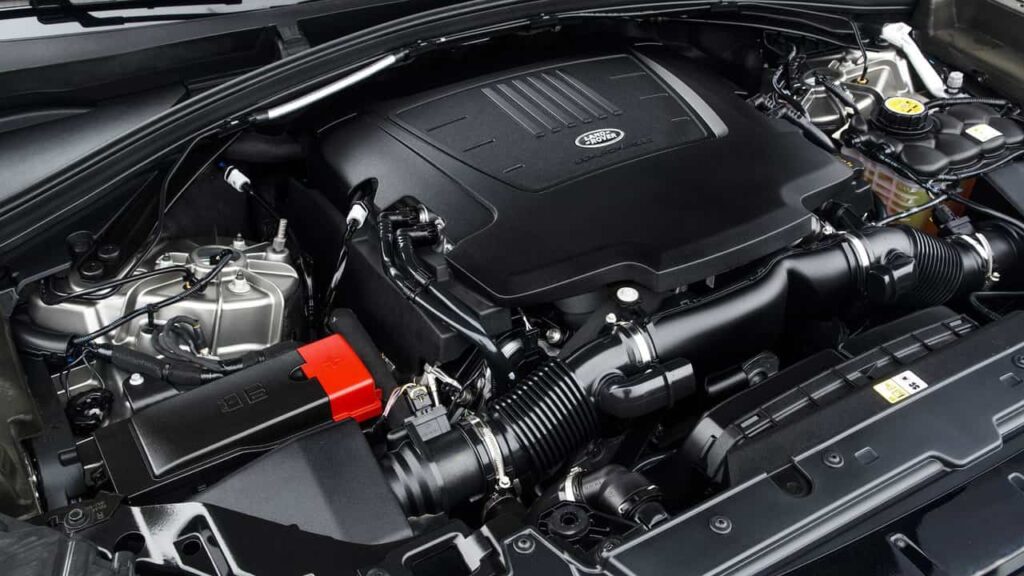
Now, let’s talk engines. Early Range Rovers came with a V8 from Buick—yep, an American heart in a British body! But here’s the hidden gem: they quietly swapped engines between models to cut costs.
Sometimes, a Rover P6 engine would sneak in, and owners wouldn’t even notice. It was like a culinary mash-up—think shepherd’s pie with a dash of apple pie. This kept production cheap, but they didn’t advertise it. Perhaps they worried folks might think, “Wait, my luxury SUV’s got a budget engine?”
I remember chatting with a mechanic who swore his uncle’s 1970s Range Rover ran smoother after an “accidental” engine swap. He joked, “It was like giving it a midlife crisis makeover!”
Those swaps saved money on parts, and maybe even fuel, though I doubt anyone was tracking mileage back then. It’s a quirky little trick that kept the brand afloat without breaking the bank.
And hey, if your car’s engine could talk, it might say, “I’m a hybrid before hybrids were cool!” A bit of a stretch, but you get the idea.
The Mystery of the Missing Manuals
Here’s something odd—early Range Rovers didn’t come with detailed owner manuals. Sure, you got a basic guide, but the nitty-gritty? Hidden away. Why? Maybe they figured farmers and adventurers would figure it out, or perhaps they didn’t want to spill the beans on how simple some fixes were.
Take the air suspension system—introduced later but hinted at in prototypes. It was a game-changer for ride comfort, yet they kept the tech under wraps, letting mechanics and owners stumble upon it.
I once tried fixing a flat tire on a borrowed Range Rover—without a manual, I was lost. After an hour of cursing and a YouTube tutorial, I got it. Turns out, the early models had accessible jacks and spares, saving a tow bill.
I laughed at myself, thinking, “Range Rover, you sneaky genius!” That lack of a manual might’ve saved money on printing, but it sure tested my patience.
Maybe they thought, “If they can’t figure it out, they’ll call us—cha-ching!” A bit cheeky, but it worked.
Prototype Paint Jobs: Safety in Disguise
Ever wonder why some early Range Rovers had odd color choices? Those muted greens and grays weren’t just for style—they were safety experiments. In testing phases, Range Rover used camouflage-like paints to blend into rural landscapes, keeping prototypes secret from competitors.
It was like a spy movie on wheels! This saved them from pricey rebranding if a rival stole the design, and it doubled as a safety feature for off-roaders in foggy fields.
I took a hypothetical spin in my mind—driving a green Range Rover through a misty English countryside, feeling like James Bond. Okay, maybe not that glamorous, but it did make me think about safety.
Those colors might’ve prevented a crash or two, saving owners from repair costs. Plus, it’s hilarious to picture spies tailing a tractor instead!
A little contradiction here—I love bright cars, but those dull tones? They grew on me. Weird, right?
The Spare Parts Smuggle
Here’s a juicy one: Range Rover quietly sourced spare parts from other brands to keep costs low. Bits of Land Rover and even some Jeep components found their way in.
They didn’t advertise this Frankenstein approach, probably to avoid upsetting purists. But it meant owners could fix their rides with off-the-shelf parts, saving a fortune on dealership prices.
I once overheard a guy at a car meet bragging about swapping a Jeep headlight onto his vintage Range Rover. “Worked like a charm,” he said, grinning.
I chuckled, imagining a Range Rover with a mismatched eye winking at me. That ingenuity kept early models rolling, and I think it’s pretty clever—though maybe a bit messy under the hood.
Perhaps they should’ve called it the “Parts Party Special.” A bit chaotic, but effective!
The Off-Road Training Bonus
Lastly, Range Rover offered discreet off-road training for early buyers—shh, don’t tell! It was a perk to boost sales, teaching owners how to tackle tough terrain.
They kept it low-key, maybe to avoid overwhelming newbies or to make it feel exclusive. This saved owners from costly mistakes, like my Mud Monster Incident, and built a loyal fanbase.
I’d love to have joined one of those sessions—me, a coffee cup, and a muddy hill. I bet I’d have learned to avoid trees! It’s a hidden money-saver, turning novices into off-road pros without extra fees.
Wrapping It Up with a Laugh

So, there you have it—the top 6 things Range Rover kept under wraps during its early years. From farm truck roots to engine swaps and secret training, this SUV played it cool while saving a penny or two.
I think it’s amazing how a brand can hide so much charm in its history—makes me want to hunt down a vintage model just for the stories!
My advice? Next time you see a Range Rover, give it a nod for its sneaky past. And hey, maybe check out some off-road tips to avoid my muddy mishaps. As the old saying goes, “A car’s secrets are its best adventures!”—or something like that. Enjoy the ride, folks!