
Every car owner knows the drill. You spend your Saturday morning hosing down your car, scrubbing every nook and cranny to get it sparkling clean.
By Sunday evening, the rain comes, or a flock of birds decides to do target practice on your hood, and you’re back to square one. It’s maddening.
Your car is supposed to be your pride and joy, but keeping it looking sharp feels like an endless chore.
For men juggling careers, family, and maybe even the occasional project car in the garage, time is at a premium.
Who has hours to dedicate to cleaning when life is happening all around you? But what if you didn’t have to? Imagine a world where your car stays cleaner, longer, with less effort.
It’s not science fiction—it’s self-cleaning, anti-dirt car paint.
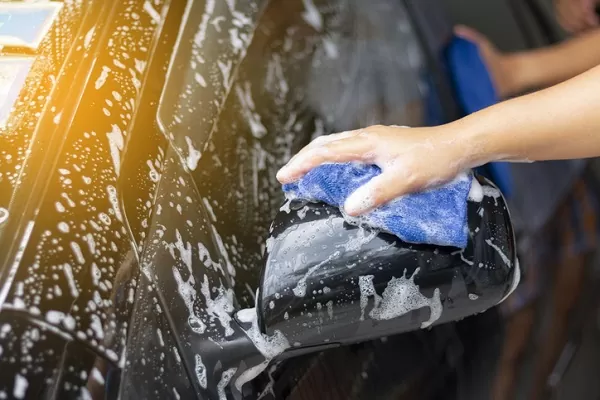
The Problem with Traditional Car Maintenance
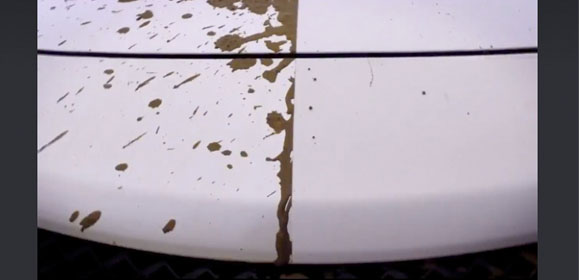
The harsh truth is this: our cars are under constant attack. Dirt, grime, mud, bird droppings—everything Mother Nature can throw at them.
Add in the relentless UV rays baking your paint job into a dull, faded shadow of its former self, and you’ve got a recipe for frustration.
And let’s not forget the process of cleaning. It’s not just the time—though that’s bad enough—it’s the monotony.
You wash, wax, buff, and repeat, knowing full well that the moment you park under a tree, it’s game over. It’s no wonder so many of us give up and let our cars slide into the “permanently dusty” category.
For men aged 35 to 55, this problem hits especially hard. You’ve got a job to do, a family to care for, maybe even a hobby or two.
The last thing you need is a vehicle that demands more attention than your kids’ science fair projects. Enter self-cleaning paint, the solution to your dirty car woes.
Self-Cleaning Car Paint: What It Is and How It Works
Here’s where things get cool. Self-cleaning car paint is more than just a fancy name.
It’s an innovation that uses cutting-edge hydrophobic (water-repelling) and oleophobic (oil-repelling) properties to make dirt slide right off your car’s surface. Think of it as your car wearing an invisible raincoat.
The secret sauce? Nano-coating. These microscopic particles form an ultra-smooth surface that reduces surface energy, so dirt and water can’t stick.
When it rains, water beads up and rolls away, taking grime with it. It’s like watching a magic trick, only it’s your car, and it’s real.
This isn’t just about convenience—it’s about longevity. The coating also provides UV protection, meaning your car’s paint won’t fade under the sun’s relentless glare.
Your ride stays shiny and new, no matter how many summer road trips you take.
The Benefits and Real-Life Impact
So, what’s the big deal? Why should you invest in self-cleaning car paint? Let’s break it down.
First, there’s the time you save. Forget the weekly car wash grind. With self-cleaning paint, a quick rinse now and then is all you need.
Spend more time doing what you love—whether that’s working on your golf swing or tackling the next DIY project in your garage.
Then there’s the aesthetic appeal. This stuff doesn’t just keep your car clean; it keeps it looking like it just rolled off the lot.
The glossy finish lasts longer, and the paint is protected from scratches, UV damage, and environmental pollutants.
And let’s talk about money. Sure, the upfront cost might make you flinch, but think long-term.
You’ll save on car washes, detailing, and touch-up paint jobs. Plus, when it comes time to sell or trade in, a well-maintained car fetches a better price. It’s an investment that pays for itself.
Still not convinced? Take it from Mike, a 40-year-old dad who’s always on the go. “Between work, the kids’ soccer practice, and weekend camping trips, I barely have time to clean the car.
This paint is a lifesaver—it practically takes care of itself,” he says. Or Steve, a 55-year-old car enthusiast with a soft spot for classic Mustangs. “Keeping my ‘68 looking showroom-new has never been easier.”
Taking the Next Step: How to Get Started
You’re intrigued, and rightfully so. Self-cleaning car paint sounds like a dream come true, but where do you even begin? Let’s break it down step by step, so you can take your ride to the next level with confidence.
A. Choosing the Right Product
Not all self-cleaning paints are created equal. Some boast high-end features that make them ideal for enthusiasts, while others offer a simpler, budget-friendly solution for those just starting. Selecting the right product is key to getting the most out of this technology.
Key Features to Look For:
- Hydrophobic and Oleophobic Properties: Ensure the product effectively repels water, oils, and dirt. The better the repellent properties, the less effort you’ll need to maintain your car.
- Durability: Look for coatings that promise long-lasting protection. High-quality options can last anywhere from two to five years or more with proper care.
- UV Resistance: Protecting your car’s paint from harmful UV rays is essential for maintaining its vibrant color and glossy finish.
- Ease of Application: If you’re considering a DIY approach, choose a product designed for straightforward application, with clear instructions and minimal prep requirements.
- Brand Reputation: Stick with trusted brands that are well-reviewed in the automotive community. Products from companies like Ceramic Pro, Gtechniq, or CarPro Cquartz have a proven track record of delivering excellent results.
Recommended Products by Category:
- High-End: Ceramic Pro or Gtechniq Crystal Serum Ultra for unparalleled durability and performance.
- Mid-Range: Opti-Coat Pro+ offers a balance of affordability and premium features.
- Budget-Friendly: Adam’s Polishes Ceramic Paint Coating is great for DIY enthusiasts seeking reliable results without breaking the bank.
B. DIY or Professional Application?
The next big decision is whether to take the DIY route or invest in professional application. Both options have their pros and cons, so it ultimately depends on your budget, skill level, and the results you’re aiming for.
DIY Application:
- Who It’s For: Handy individuals who enjoy working on their vehicles and want to save on labor costs.
- What You’ll Need:
- A clay bar kit for surface preparation.
- Isopropyl alcohol (IPA) or panel wipe for decontamination.
- Microfiber towels, applicator pads, and gloves.
- The self-cleaning paint product of your choice.
- Step-by-Step Process:
- Wash and Decontaminate: Thoroughly clean your car, removing all dirt and debris. Use a clay bar to eliminate embedded contaminants and prepare the surface.
- Wipe Down with IPA: This ensures the surface is free of oils and residues that could interfere with the coating.
- Apply the Coating: Use an applicator pad to spread the coating evenly over one panel at a time. Follow the manufacturer’s instructions for curing times.
- Buff and Inspect: After the coating cures, buff the surface with a microfiber towel to remove excess product and ensure a glossy finish.
- Allow for Curing: Avoid water or contaminants for at least 24 hours to allow the coating to fully bond.
Professional Application:
- Who It’s For: Those who prefer a hands-off approach or want a guaranteed flawless finish.
- Benefits:
- Professionals have the expertise and tools to ensure even application and maximum durability.
- Many services come with warranties for added peace of mind.
- What to Expect:
- Your car will go through a detailed cleaning and decontamination process.
- The coating will be applied in a controlled environment to prevent dust or debris from interfering.
- Professionals may use multiple layers for added durability and protection.
- Costs vary depending on the product and service, but the long-term benefits often outweigh the initial investment.
C. Maintenance Tips
Once the coating is applied, maintaining it is remarkably simple. However, following a few best practices can help you get the most out of your investment.
Do’s:
- Use pH-balanced car shampoos designed for coated vehicles.
- Wash your car with a soft microfiber wash mitt to avoid scratching.
- Rinse off bird droppings, tree sap, or other contaminants as soon as possible to prevent potential damage.
Don’ts:
- Avoid using abrasive or acidic cleaners that could degrade the coating.
- Steer clear of automated car washes with brushes, which can cause micro-scratches.
- Don’t neglect routine inspections—if you notice the coating’s hydrophobic properties fading, a touch-up layer may be needed.
Pro Tip: Consider applying a maintenance spray specifically designed for ceramic coatings. These sprays enhance the hydrophobic effect and restore the glossy finish.
D. Final Call to Action
You’ve read the science, you’ve heard the stories, and now it’s time to act.
Whether you choose to DIY your way to a self-cleaning car or trust the professionals to handle the heavy lifting, one thing is certain: this technology will revolutionize how you care for your vehicle.
Imagine fewer weekends wasted on scrubbing, a car that stays cleaner for longer, and the satisfaction of knowing your ride is protected against the elements.
So, what are you waiting for? The future of car care is here, and it’s slicker, smarter, and shinier than ever.
Conclusion
In the end, self-cleaning car paint isn’t just a luxury; it’s a practical upgrade for the modern man. It transforms the tedious chore of car maintenance into a hassle-free experience, allowing you to spend more time enjoying the road and less time scrubbing away dirt.
Embracing this innovation means taking pride in a vehicle that always looks its best, with minimal effort. So why not give your car the gift of effortless cleanliness? After all, your time is too valuable to be wasted on endless car washes.