
The first time I heard that whining noise, I was on a quiet drive, enjoying the smooth handling of my car.
As I turned a corner, the sound emerged—sharp and persistent. It wasn’t just a minor annoyance; it followed every move of the steering wheel.
Frustrated, I popped the hood and realized the noise was coming from the power steering pump.
That moment kicked off a journey of discovery, teaching me the value of addressing car issues early.
If you’ve heard a similar noise, this guide will help you understand what’s happening and how to fix it..
Recognizing the Problem
A. What Does the Noise Sound Like?

Power steering pump noise is not just background hum; it’s an intrusive, attention-grabbing sound.
Most commonly, it presents as a high-pitched whining, especially noticeable when you’re turning the wheel.
Some drivers describe it as a squeal or groan, while others compare it to a hissing noise.
The sound often intensifies when the car is idling or moving at low speeds, particularly during tight maneuvers like parking.
Unlike general engine noise, which blends into the vehicle’s overall operation, this noise has a sharp, distinct quality that signals something unusual.
B. Why It Matters
Ignoring this noise is like ignoring a warning light on your dashboard. The power steering pump is crucial for smooth and effortless steering.
When it starts making noise, it’s trying to tell you that something is wrong.
Unchecked, the issue can escalate from a simple annoyance to a safety hazard. A failing pump could lead to a complete loss of power assist, making your vehicle significantly harder to control.
Understanding the noise is the first step in addressing the problem effectively.
Common Causes of Power Steering Pump Noise
A. Low Fluid Levels
One of the leading causes of power steering pump noise is a lack of fluid. The system relies on hydraulic pressure to function, and low levels disrupt this balance.
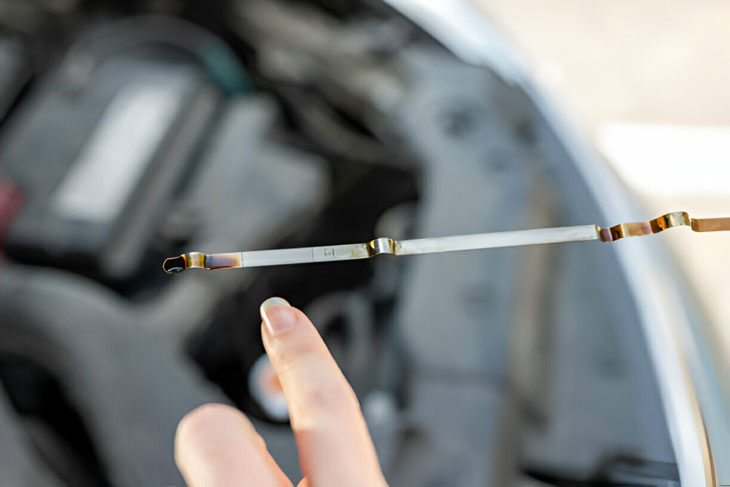
What happens when fluid is low?
- The pump has to work harder to circulate the remaining fluid, resulting in whining or groaning noises.
- Insufficient lubrication increases friction between components, accelerating wear.
How to check:
- Locate the reservoir under the hood.
- Use the dipstick or markings on the tank to confirm the fluid level.
- If it’s below the recommended level, you may have a leak that needs immediate attention.
B. Air Trapped in the System
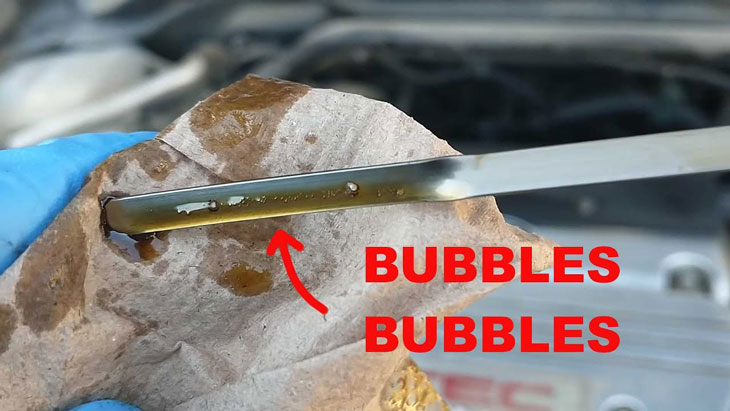
Air entering the hydraulic system is another frequent culprit. When air bubbles mix with the fluid, they disrupt the smooth flow and create vibrations, resulting in noise.
How air gets trapped:
- Loose connections in hoses or seals.
- Recent maintenance that didn’t properly bleed the system.
Signs of air in the system:
- Frothy or bubbly fluid in the reservoir.
- Inconsistent steering feel, often with noise that worsens during sharp turns.
C. Contaminated or Worn Fluid
Old or degraded power steering fluid loses its effectiveness. As contaminants build up, they increase friction within the system.
What causes contamination?
- Metal shavings from worn components.
- Sludge or debris from deteriorating fluid over time.
How to identify:
- Fresh fluid is clear or light-colored; dirty fluid is dark or murky.
- A burnt smell is a clear indication that the fluid needs replacement.
D. Internal Wear or Damage
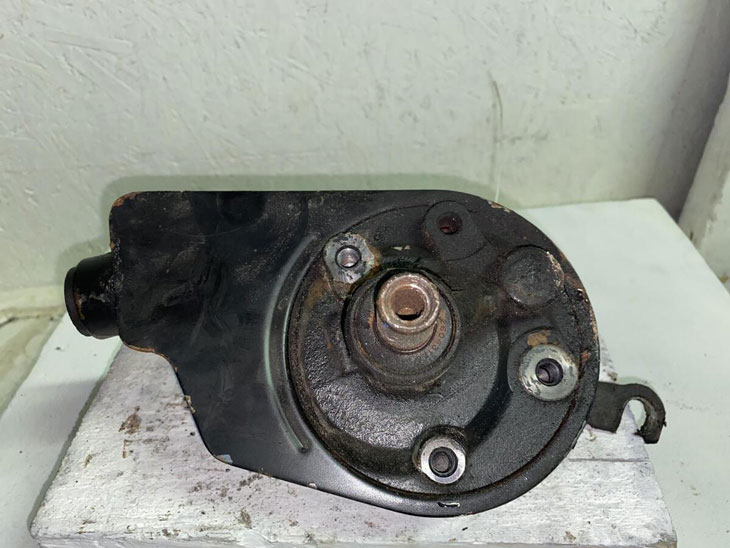
The pump itself can be the problem. Bearings, seals, and gears wear out over time, especially if maintenance is neglected.
Key indicators:
- Persistent whining that doesn’t improve after refilling or flushing fluid.
- Steering becomes stiffer or less responsive.
Each of these causes offers clues to help diagnose the issue early. Addressing them promptly prevents further damage and ensures safe driving conditions.
The User’s Journey: A Path to Resolution
A. Assess the Situation
Start by pinpointing the source of the noise. Open the hood with the engine running, and listen closely. Pay attention to whether the sound changes when you turn the wheel.
Inspect the reservoir for fluid level and condition. Look for leaks around hoses, seals, and the pump. Identifying the problem’s root cause will help determine the right solution.
B. Quick Fixes for Minor Problems
Sometimes, the solution is simpler than expected:
1. Refill the Fluid
- Wait until the engine cools completely.
- Open the reservoir cap and check the level.
- Refill with manufacturer-recommended power steering fluid.
- Use a conditioner to enhance performance and minimize noise.
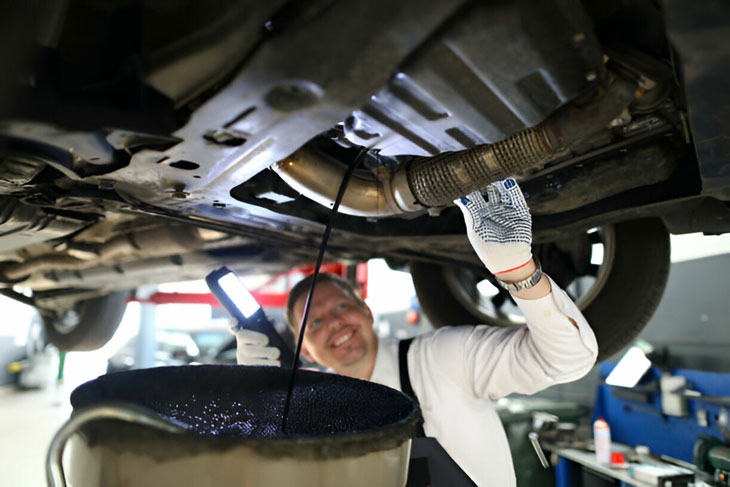
2. Flush the System
- Drain all old fluid from the system.
- Refill with fresh fluid while ensuring no air enters the lines.
- Run the engine briefly to circulate the fluid, then recheck levels.
C. Addressing Persistent Issues
If noise persists, the problem might be more complex:
1. Seal Leaks
- Inspect all connections and seals for cracks or wear.
- Use a leak-sealing additive for minor issues.
- Replace damaged seals or hoses to restore proper function.
2. Repair or Replace the Pump
- Bearings or gears inside the pump may need replacing.
- If the pump has suffered extensive wear, replacement is the most reliable option.
D. Real-Life Experiences
One driver reported that flushing the system and replacing fluid resolved their noise issue for under $50.
Another chose to replace a failing pump, eliminating noise entirely and improving steering performance.
Hearing these success stories highlights the value of addressing the problem early.
Proactive Maintenance: Avoiding Future Problems

A. Regular Fluid Checks
Consistency is key. Make it a habit to check the fluid every few months. This ensures optimal levels and helps spot potential leaks early.
B. Replace Fluid Periodically
Over time, even the best fluid degrades. Changing it every 50,000 miles or as per the manufacturer’s recommendation keeps the system in peak condition.
C. Listen and Act
Unusual noises are your car’s way of communicating. Treat them as an early warning system and address them promptly to avoid costly repairs down the line.
Proactive care not only saves money but also ensures a smoother, safer driving experience.
Conclusion
That irritating whine isn’t just a sound—it’s a call to action. By recognizing the causes and acting quickly, you can prevent major repairs and keep your steering system in top shape.
Remember, a little attention today can save you from costly repairs tomorrow. Take charge of your vehicle’s maintenance, and enjoy the peace of mind that comes with a smooth, silent drive.