
You’re rushing out the door, balancing your morning coffee, briefcase, and the constant ping of emails on your phone.
You reach your car, ready to start the day, and suddenly realize the unthinkable—your keys are locked inside.
Or worse, it’s a hot summer day and your child or pet is accidentally trapped inside the vehicle.
These scenarios aren’t just frustrating—they can be dangerous. Staying prepared with the right knowledge can make all the difference.
In this guide, we’ll walk you through proven methods to unlock your car during emergencies.
Let’s dive into solutions that are practical, effective, and most importantly, safe for your vehicle.
The Problem: Why Lockouts Happen
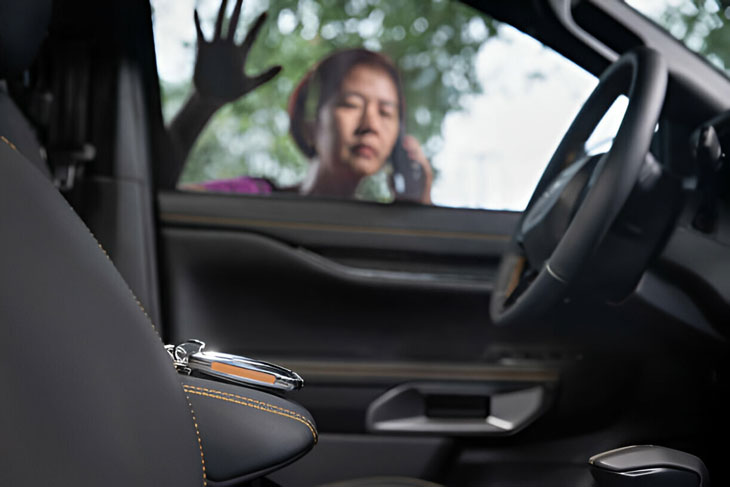
Locked keys in a car—a simple yet common mistake that can spiral into chaos. But why does it happen?
Modern auto-lock features, hectic schedules, and moments of distraction are often to blame.
Imagine loading groceries into the trunk, the car’s auto-lock system activates, and you’re left staring helplessly at your locked doors.
Understanding these triggers helps you not only solve the problem but also prevent it. Addressing this begins with knowing your car’s locking mechanism, an essential first step to regaining access.
Understanding Car Locking Mechanisms
Your car’s locking system is the gatekeeper to your ride. Most vehicles today use electronic locks, while older models rely on manual mechanisms. Here’s a breakdown:
- Manual Locks: These involve physical pins and latches. Keys are required to engage and disengage the lock.
- Automatic Locks: Operated by an electronic actuator, these respond to key fobs or buttons on the door panel.
- Smart Locks: Found in newer models, they integrate with apps for remote access.
Knowing which system your car uses is pivotal—it dictates the tools and techniques you’ll need in an emergency.
Practical Solutions to Unlock Your Car
1. Simple Tools You Can Use
a. Shoelaces
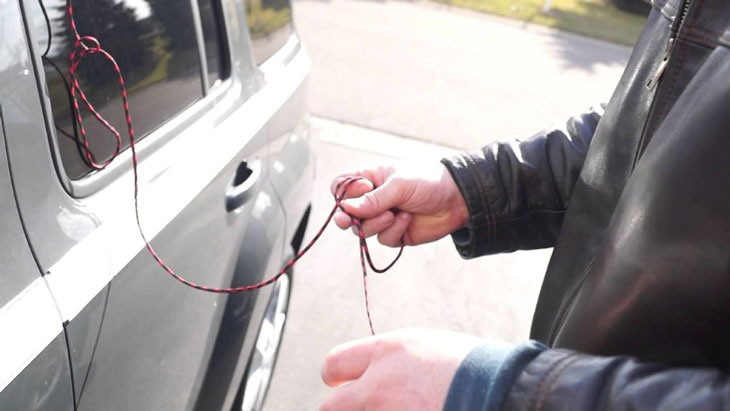
- How It Works: Remove one shoelace and tie a slip knot. Slide it through the top corner of the door and maneuver it around the locking pin.
- Step-by-Step:
Step 1: Create a small opening at the top corner of the door using your fingers or a plastic wedge.
Step 2: Thread the shoelace through the gap.
Step 3: Align the knot with the lock, tighten, and pull upward.
- Limitations: This works only for locks with pull-up knobs.
b. Wire Hanger
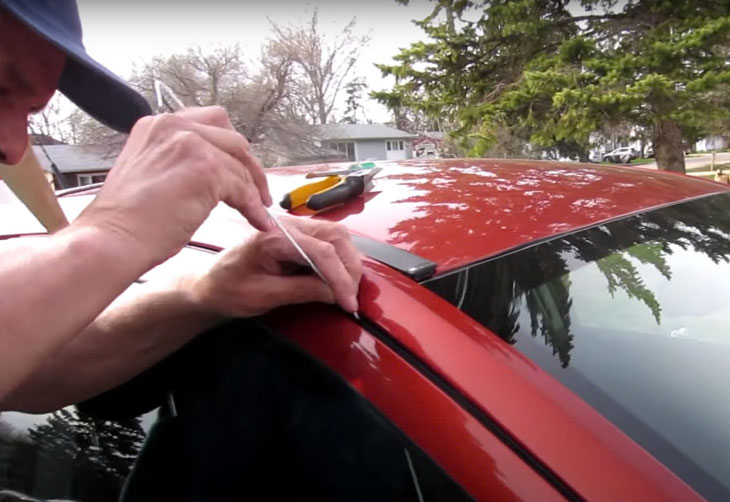
- How It Works: Straighten the hanger and shape one end into a hook.
- Step-by-Step:
Step 1: Slide the hanger between the window and weather stripping.
Step 2: Locate the locking rod and hook it.
Step 3: Pull gently to unlock.
- Caution: Use precision to avoid damaging wires inside the door. Consider wrapping the hook end with tape to prevent scratches.
c. Plastic Strip
- How It Works: A sturdy plastic strip can press the unlock button or hook the locking pin.
- Step-by-Step:
Step 1: Create a gap with a wedge or fingers.
Step 2: Insert the strip and manipulate it to access the lock.
Step 3: Push the button or pull the pin upwards to unlock the door.
2. Advanced Techniques
a. Slim Jim
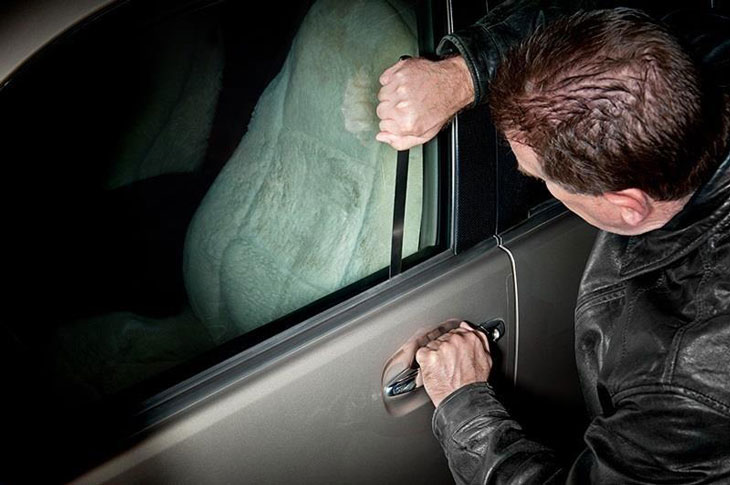
- How It Works: A flat metal tool slides into the door frame to manipulate internal mechanisms.
- Step-by-Step:
Step 1: Insert the Slim Jim between the weather stripping and window.
Step 2: Locate the lock mechanism and hook it.
Step 3: Pull upward to disengage.
- Tips: Use on the passenger side to avoid damaging complex wiring near the driver’s door. Always check your car’s manual to ensure compatibility with Slim Jim tools.
b. Inflatable Pump Wedge
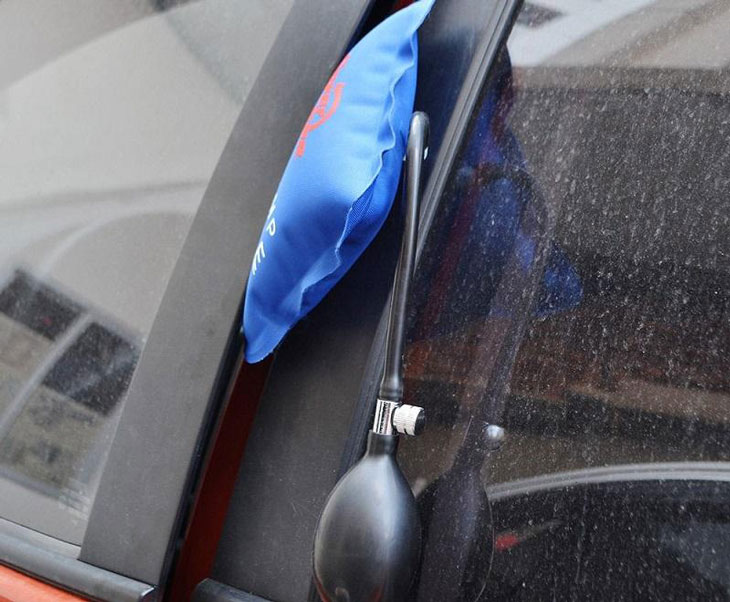
- How It Works: This tool creates a safe gap for inserting other tools.
- Step-by-Step:
Step 1: Slide the deflated wedge into the top of the door.
Step 2: Pump it slowly until a gap forms.
Step 3: Insert a rod or hanger to unlock the door.
- Advantages: This method minimizes damage to the vehicle’s paint and seals.
c. Trunk Access
- How It Works: If the trunk is unlocked, you can gain entry.
- Step-by-Step:
Step 1: Open the trunk.
Step 2: Fold down the rear seats.
Step 3: Crawl through and unlock the doors manually.
- Considerations: Ensure your car allows rear-seat access through the trunk before relying on this method.
3. High-Tech Solutions
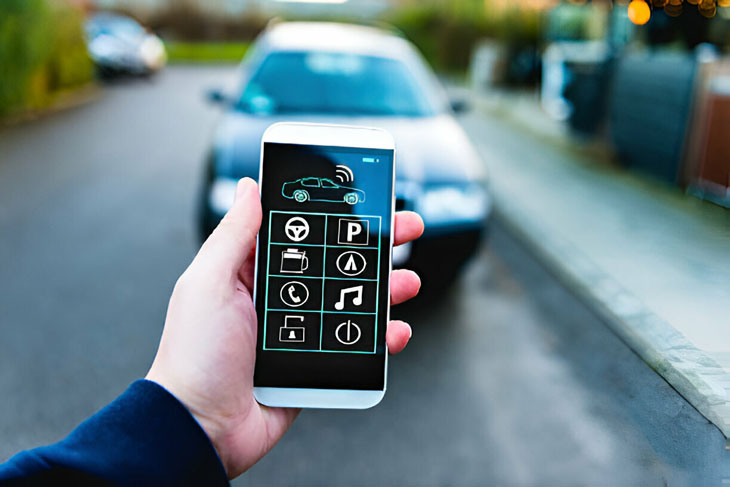
a. Mobile Apps
- Many modern vehicles can be unlocked using automaker apps like Toyota App or Hyundai Bluelink.
- Steps:
Step 1: Open the app on your phone.
Step 2: Use the remote unlock feature.
Step 3: Confirm access with a notification from the app.
- Note: Ensure the app is set up and linked to your vehicle beforehand to avoid issues during emergencies.
b. Call a Professional
- Locksmiths and roadside assistance services like AAA have the tools and expertise to unlock your car without causing damage.
- Steps:
Step 1: Provide proof of ownership and your ID.
Step 2: Request unlocking services.
Step 3: Wait for the professional to arrive and handle the situation safely.
- Advantages: This is the safest and most reliable method when all else fails.
Preventing Future Lockouts
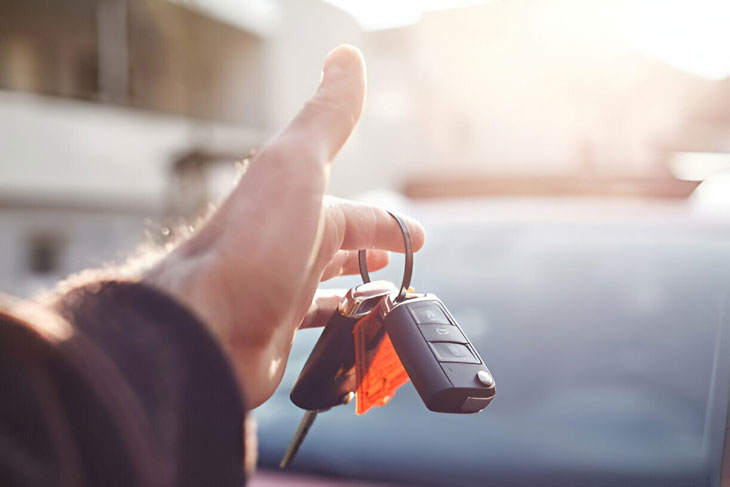
- Spare Keys: Keep a spare key in a secure, accessible location. Consider magnetic key holders for discreet storage.
- Key Finder Devices: Attach an AirTag or Tile tracker to your keys. These devices can help you quickly locate misplaced keys using your smartphone.
- Regular Maintenance: Check your key fob’s battery to ensure functionality. Replace it annually to avoid unexpected failures.
- Use Apps: Pre-set mobile apps for remote unlocking. Familiarize yourself with the app’s features to avoid delays during emergencies.
- Habits: Use a lanyard or carabiner to keep keys attached to you at all times. Make it a routine to double-check for your keys before locking the car.
Ethical Considerations
It’s essential to use these methods responsibly and only for your own vehicle. Misuse can lead to legal consequences and compromises others’ safety.
Always have proof of ownership if you’re attempting these methods in public. Avoid any actions that could be perceived as unauthorized access.
Conclusion
Emergencies happen to everyone, and knowing how to unlock your car without a key can be a real lifesaver.
Whether you’re using a simple shoelace or high-tech apps, preparation is key to overcoming these moments with ease.
Equip yourself with these solutions, stay calm, and remember: being proactive now saves you from panic later. Safe travels!