
Car engine vibrations can feel like your vehicle’s own Morse code for trouble. But decoding it isn’t always straightforward.
These shaky sensations might seem like they’re coming from the heart of the engine, but sometimes, it’s the axles or tires crying out for attention.
Diagnosing and fixing these problems not only restores smooth rides but also ensures safety and efficiency. Buckle up as we take a deep dive into the what, why, and how of engine vibrations. Ready to rumble?

Popular Causes of Car Engine Vibration
Crankshaft Damper Problems
Think of the crankshaft damper as the unsung hero of your engine. Its job? To tame vibrations.
But when this component falters, especially in diesel engines, the results are noticeable and unsettling.
If your car’s shaking harder than Elvis in his heyday, it might be time to check this vital part. A quick trip to your trusted mechanic could save you a headache – and a vibrating car.
But what if it’s not the damper? Let’s talk about something equally crucial: engine mounts.
Faulty Engine Mounts
Engine mounts are like the quiet warriors holding everything together. They stabilize the engine and absorb vibrations to keep your ride smooth.
When they’re damaged (maybe from that off-road adventure you shouldn’t have taken), you’ll feel every rumble.
The solution? A mechanic’s expertise. Or a DIY attempt if you’re feeling brave – and a little reckless.
Speaking of reckless, some issues stem from much smaller components – like spark plugs.
Spark Plug Issues
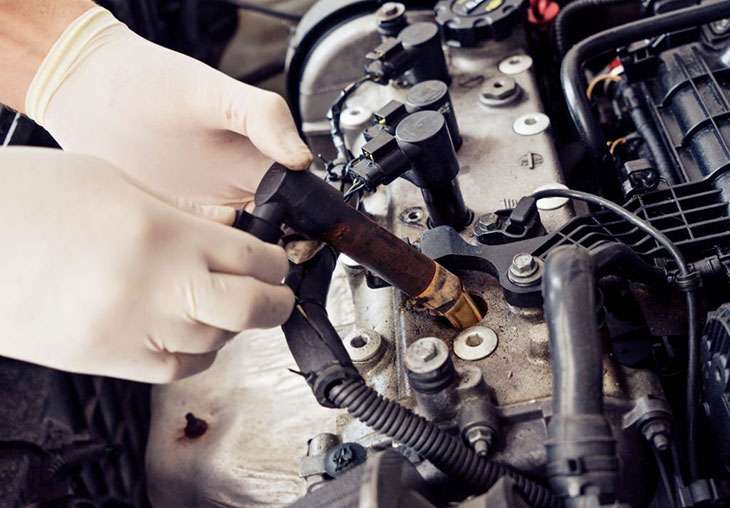
Tiny but mighty, spark plugs play a pivotal role in keeping your engine’s rhythm steady. If they’re damaged, expect a lot more than a bumpy ride.
While replacing spark plugs might sound intimidating, it’s one of those tasks you can handle in your driveway – as long as you’ve got the tools and a YouTube tutorial. Got your gloves ready?
But let’s not forget the weather’s role in all this chaos.
Extreme Weather Conditions
Cold mornings aren’t just tough on you – they’re hard on your car too. Engines can vibrate more in frosty weather, especially before warming up.
The good news? This one’s usually self-resolving as your engine heats up. Consider it a morning grumble before the coffee kicks in.
Still shaking? Maybe the axles have something to say.
Car Axle Problems
A collision might leave your axles out of alignment – even if the damage isn’t visible. If post-accident vibrations persist, your axles could be the culprits.
Ignore them at your peril; this one’s best left to professionals. Next up, we roll into the world of wheels.
Wheel and Tire Problems

Did you know that 80% of car vibrations stem from tire or wheel issues? Misaligned wheels, worn-out bearings, or unbalanced tires can all cause your car to shake like a maraca.
A quick check and some TLC for your tires might be all you need to get back to smooth cruising.
But wait, there’s more! Let’s put the brakes on this vibration talk – literally.
Brake Problems
Brake rotors take a beating over time. If your car vibrates when you hit the brakes, warped rotors could be to blame.
This isn’t just a comfort issue; it’s a safety one. A quick rotor replacement can turn your brake pedal from jittery to buttery smooth.
Now that we’ve explored the culprits, let’s pivot to the solutions.
Step-by-Step Solutions for Engine Vibration Issues
Spot the Problem Source
Diagnosing the issue is the first step, and it’s like solving a mystery where your car leaves breadcrumbs.
Start by using an OBD-II scanner to identify any trouble codes. This tool is your car’s interpreter, converting its internal struggles into actionable data.
Check for misfires, faulty sensors, or issues with the air-fuel mixture. Remember, identifying the problem correctly can save you time and money by preventing unnecessary repairs.
Once you’ve decoded the problem, it’s time to dig deeper into what might be causing it.
Analyze the Problem
Understanding the root cause is crucial for an effective solution. Here’s how to break it down:
- Single-Cylinder Misfires: If the issue lies in one cylinder, the likely culprits are faulty spark plugs, ignition coils, or fuel injectors. Inspect these components for wear, dirt, or damage. Replacing a spark plug or cleaning a fuel injector might be all it takes to resolve the issue.
- Random Misfires: When multiple cylinders are misfiring randomly, the problem often extends beyond the engine. Check the air intake for clogs, clean the mass airflow (MAF) sensor, or inspect for vacuum leaks. These external factors can disrupt the balance needed for smooth engine operation.
- Mechanical Failures: Problems like a damaged camshaft, worn piston rings, or a failing head gasket are mechanical in nature. These issues often result in severe vibrations and may require professional attention. If you notice signs like oil leakage or strange noises, don’t hesitate to seek expert help.
Now that the issue is clear, let’s move on to the hands-on part of the process.
Replace Damaged Parts
Once you’ve pinpointed the faulty components, it’s time for some elbow grease. Here’s a step-by-step guide to replacing common parts:
- Gather the Tools: Essentials include a ratchet wrench, screwdrivers, mallet, jack, and protective gloves. Having the right tools makes the job safer and more efficient.
- Fix Vacuum Leaks: If vacuum hoses are damaged, locate them in the engine bay (usually near the intake manifold). Check for visible cracks or holes. Remove the faulty hose, clean the area, and replace it with a new one. Ensure a tight seal to prevent future leaks.
- Replace Spark Plugs: For spark plug replacement, disconnect the ignition coil, unscrew the old plug, and install a new one. Double-check the gap and torque specifications to ensure proper performance.
- Inspect and Replace Mounts: If engine mounts are the issue, use a jack to support the engine before removing the damaged mount. Replace it with a new one, ensuring all bolts are securely fastened.
- Test the Repairs: After completing repairs, start the engine and check for any remaining vibrations. If the issue persists, re-evaluate the diagnosis or seek professional help.
These steps might sound technical, but with patience and the right approach, even a DIY novice can tackle many of these tasks.
But what if you still have questions? Let’s tackle the FAQs.
Frequently Asked Questions (FAQs)
What Causes Engine Vibration?
From worn-out spark plugs to misaligned wheels, the reasons are endless. But here’s the takeaway: if something shakes, it needs attention. Next question?
Why Does My Car Shake at Idle?
Faulty motor mounts or a dirty fuel intake could be to blame. The solution? A quick check and replacement where needed.
What Makes My Wheel Vibrate When Accelerating?
Brake rotors or wheel alignment issues might be your culprits. Don’t ignore that wobble – it’s your car’s way of waving a red flag.
Why Does My Car Shake at Low Speeds?
Start with the tires. If they’re fine, investigate further. Just don’t let low-speed vibrations drive you to frustration.
What Does It Mean When My Car Shakes and the Check Engine Light Comes On?
This one’s serious. Tire problems, brake issues, or engine mounts could be the issue. Time to call in reinforcements.
Why Is My Engine Knocking?
Air-fuel mixture problems often cause knocking. Fix it before it turns into a costly repair.
Still curious? Let’s wrap things up with preventive measures.
Preventive Measures
Regular maintenance is your best defense against engine vibration. Check your tires, spark plugs, and brakes often.
Drive responsibly to minimize wear and tear. And don’t forget: an ounce of prevention is worth a pound of cure.
Conclusion
We’ve journeyed through the mysterious world of car engine vibrations, uncovering causes, solutions, and preventive measures.
If there’s one takeaway, it’s this: don’t ignore the shakes. Your car’s trying to tell you something. Listen, fix, and enjoy the ride.