
It’s a scene many of us have experienced: pulling into the gas station after a long drive, eager to refuel and get back on the road.
Leaving the engine running feels like a small time-saver, a convenience that’s hard to resist. After all, what’s the harm?
The car’s modern, the process is quick, and you’ve done it countless times without issue. Yet behind the ease of this habit lies a complex web of risks and overlooked consequences.
From potential hazards to your safety, to environmental and financial repercussions, it’s worth pausing to ask: is this convenience really worth it? Let’s delve into the details.
The Appeal of Convenience
Pulling up to the pump with your car still humming feels like efficiency in action. Whether you’re on a tight schedule or simply reluctant to restart the engine, it’s tempting to leave the motor running.
For those driving vehicles with finicky ignition systems or dealing with extreme weather, the argument for convenience becomes even stronger.
It’s easy to assume that the odds of something going wrong are negligible.
You might reason that modern vehicles, equipped with advanced safety measures, are built to handle the risks of a running engine during refueling.
But this assumption creates a false sense of security. Convenience can be deceptive—a decision made in haste could lead to complications, from immediate dangers to long-term issues.
Ultimately, saving a few seconds at the pump is not worth jeopardizing safety.
The Hidden Risks of Pumping Gas with the Car Running
1. Fire Hazards: More Common Than You Think
Gasoline vapors released during refueling are highly flammable and can ignite under specific conditions.
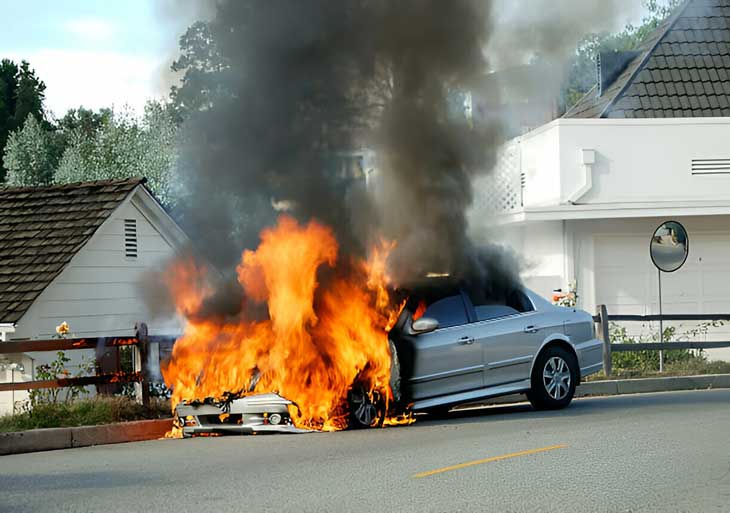
When your car is running, multiple heat sources—such as the engine, catalytic converter, and exhaust pipe—are active. A stray droplet of gas on these hot surfaces could lead to a fire.
Static electricity adds another layer of risk. As you exit the vehicle, your movement generates a static charge.
If this charge discharges when you touch the pump nozzle, it can create a spark that ignites the vapors.
Such incidents are rare but documented, and they underscore the importance of minimizing risks wherever possible.
In addition, the design of many gas stations intentionally positions fuel pumps far from potential ignition sources, such as engines and exhausts.
Leaving your car running negates this built-in safety measure, amplifying the likelihood of an incident.
2. Environmental Damage: The Invisible Impact
Gasoline vapors don’t simply vanish into thin air. They contribute to the formation of ground-level ozone, a significant component of smog.
Prolonged exposure to smog can exacerbate respiratory problems, especially for those with pre-existing conditions like asthma.
Moreover, the escape of these vapors into the atmosphere accelerates climate change. Every molecule of unburned fuel represents an opportunity lost for cleaner air.
While the cumulative impact of one car’s emissions might seem small, the collective effect of millions of vehicles engaging in unsafe refueling practices is significant.
It’s a silent cost that’s easy to overlook—but impossible to ignore when considering long-term sustainability.
3. Financial Consequences: More Than Just Repairs
Operating your car during refueling can damage the vapor recovery system. This system, designed to capture and recycle gasoline vapors, is essential for both vehicle efficiency and environmental compliance.
Repairs to this system can cost between $200 and $1,500, depending on the extent of the damage.
Beyond repairs, there’s the hidden cost of reduced fuel efficiency. A poorly functioning vapor recovery system allows fuel vapors to escape, effectively wasting gas you’ve already paid for.
Over time, these small losses add up, translating into noticeable dents in your fuel budget. Protecting this component by turning off the engine is a small step that offers significant financial benefits.
User Stories: The Real-Life Debate
There are those who leave their engines running at the pump, confident in their belief that nothing will go wrong.
Many share anecdotes about years of refueling without incident, framing the practice as harmless and routine. However, anecdotal evidence doesn’t negate real risks.
Consider the story of a driver who inadvertently spilled gasoline while refueling with the engine running.
The fuel made contact with a hot exhaust pipe, resulting in a minor fire that required immediate intervention from gas station staff.
Although no one was injured, the event caused panic and highlighted how easily such situations can escalate.
In another instance, a car’s vapor recovery system failed after years of repeated refueling with the engine running.
The driver’s repair bill exceeded $1,000, a steep price to pay for a habit that could have been avoided.
These stories illustrate the disconnect between perceived and actual safety, emphasizing the importance of cautious behavior.
Actionable Tips for Safer Refueling
1. Turn Off the Engine: A Simple Yet Effective Step
The most effective way to eliminate risk is to always turn off your engine before refueling.
This action cuts off heat and electrical activity, significantly reducing the chances of ignition.
Drivers of turbocharged vehicles should let their engines idle for a minute before shutting them off, allowing time for cooling.
2. Minimize Static Electricity
Before handling the fuel pump, touch a metal part of your car to discharge any static electricity.
This small step can prevent accidental sparks and ensures a safer environment at the gas station.
3. Avoid Distractions
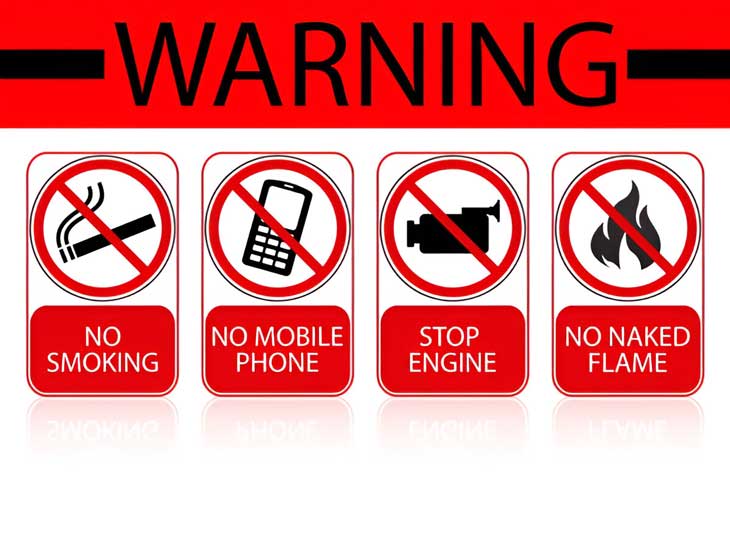
Gas stations are not the place for multitasking. Avoid using your phone, smoking, or engaging in activities that could introduce heat or sparks near the pump.
Staying attentive ensures that you complete the refueling process safely and efficiently.
4. Regular Maintenance Checks
Ensure your vapor recovery system is functioning properly by including it in your car’s routine maintenance schedule.
Addressing minor issues early can prevent costly repairs and maintain your vehicle’s fuel efficiency.
5. Follow Gas Station Guidelines
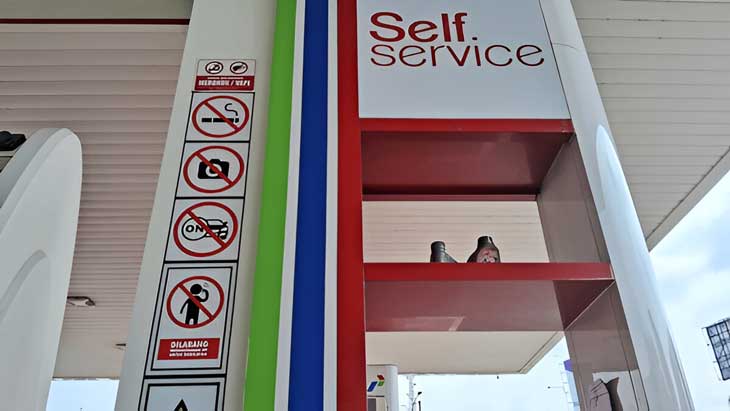
Gas stations display safety warnings for a reason. Heeding these guidelines protects not only you but everyone in the vicinity. Treat these rules as essential, not optional, for a safe refueling experience.
Conclusion
The next time you pull into a gas station, consider what’s at stake. Leaving the engine running might save a few seconds, but the potential risks far outweigh the convenience.
From fire hazards and environmental damage to costly repairs, the consequences are real—and avoidable.
Taking a moment to turn off your car is a simple act of responsibility that protects your safety, your vehicle, and the world around you.
At the pump, every second of precaution is worth its weight in peace of mind.