
Picture this: you’re cruising down the highway, not a drop of gasoline in sight, and yet your car hums along effortlessly. The engine?
It’s powered by something we all take for granted—air. No tailpipe spewing toxic emissions, no wallet-draining pit stops at the pump.
Just clean, compressed air recycled from your trusty old air conditioning system.
With the world demanding cleaner, cheaper alternatives to fossil fuels, compressed air-powered vehicles could become a game-changer.
Could this be the next leap in green transportation? Or is it just hot air? Let’s dive in.
The Problem with Traditional Transportation

Environmental Impact: The Elephant in the Room
Every combustion engine is a miniature factory of pollution. Cars burning gasoline or diesel emit billions of tons of carbon dioxide into the atmosphere each year, choking our cities and supercharging climate change.
Add in the fine particulate matter that harms our lungs, and it’s clear: our addiction to fossil fuels is unsustainable.
Fuel Costs: The Unseen Tax
If you’ve ever winced at the sight of your gas receipt, you’re not alone. Rising fuel prices are making even the simplest of road trips feel like a luxury.
And with geopolitical instability dictating supply and demand, that cost isn’t coming down anytime soon.

The Verdict
Traditional cars are digging a hole—for our environment, our wallets, and our future. But what if there was a way out?
One that didn’t require expensive electric batteries or a complete overhaul of our infrastructure?
The Idea of Compressed Air Power
What Is Compressed Air Energy?
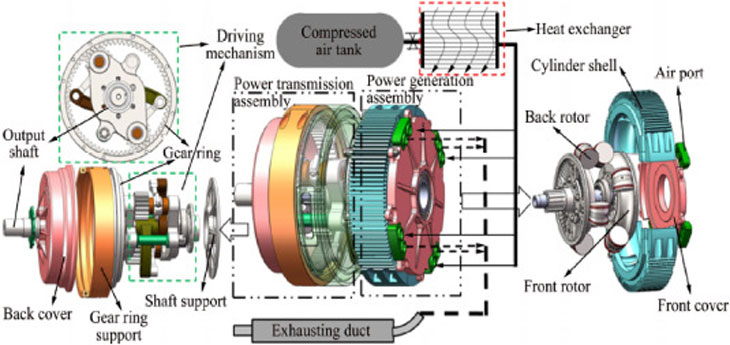
At its core, compressed air is energy stored in its simplest, cleanest form. Imagine filling a balloon with air, then releasing it. The rush of air is power—pure and unpolluted.
Engineers have been experimenting with harnessing this principle for decades, storing compressed air in tanks and releasing it to drive pistons or turbines.
The Spark of Inspiration: Air Conditioning Systems
Now think about your air conditioner. It already compresses and releases air in cycles to cool your home or car.
What if that process wasn’t just cooling the air but also storing energy? Instead of wasting that energy, we could channel it into propulsion.
The concept may sound futuristic, but the technology is surprisingly close to home.
The Science Behind the Magic
When air is compressed, it heats up, storing energy in the process. Release it, and that energy transforms into motion.
With the right tweaks, air conditioning systems could serve as compact, efficient energy recyclers for vehicles. It’s physics, but with a touch of eco-friendly ingenuity.
The Vehicle: A Game-Changer
Prototype Development: The First Steps
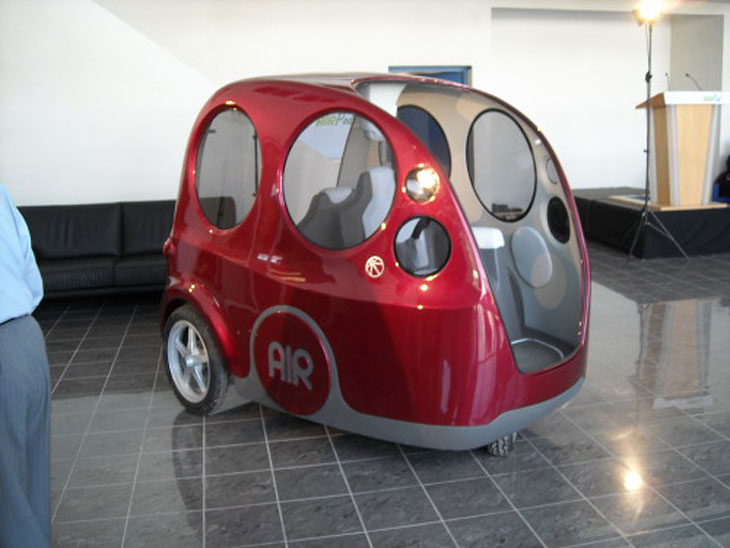
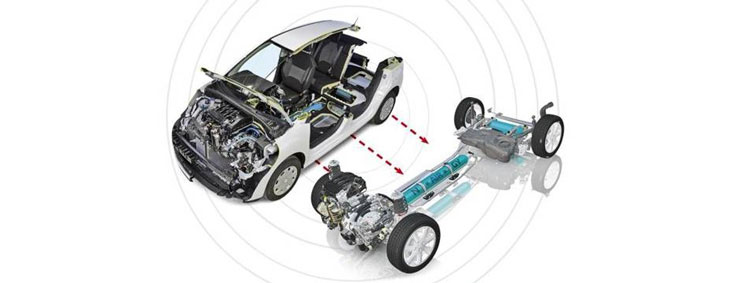
The dream of compressed air-powered vehicles isn’t entirely theoretical. French engineers introduced the AirPod, a small, quirky prototype that uses compressed air to power its modest engine.
It’s lightweight, quiet, and eerily futuristic. While not yet ready for the open road, it shows the potential for this technology.
Key Features: What Sets It Apart?
Compressed air vehicles (CAVs) come with undeniable perks:
- Zero Emissions: No smoke, no fumes—just clean air.
- Cost Efficiency: No pricey lithium batteries. Just good ol’ air and some compression hardware.
- Simplicity: With fewer moving parts than electric or combustion engines, maintenance costs drop significantly.
The Drawbacks: Air Isn’t Free… Yet
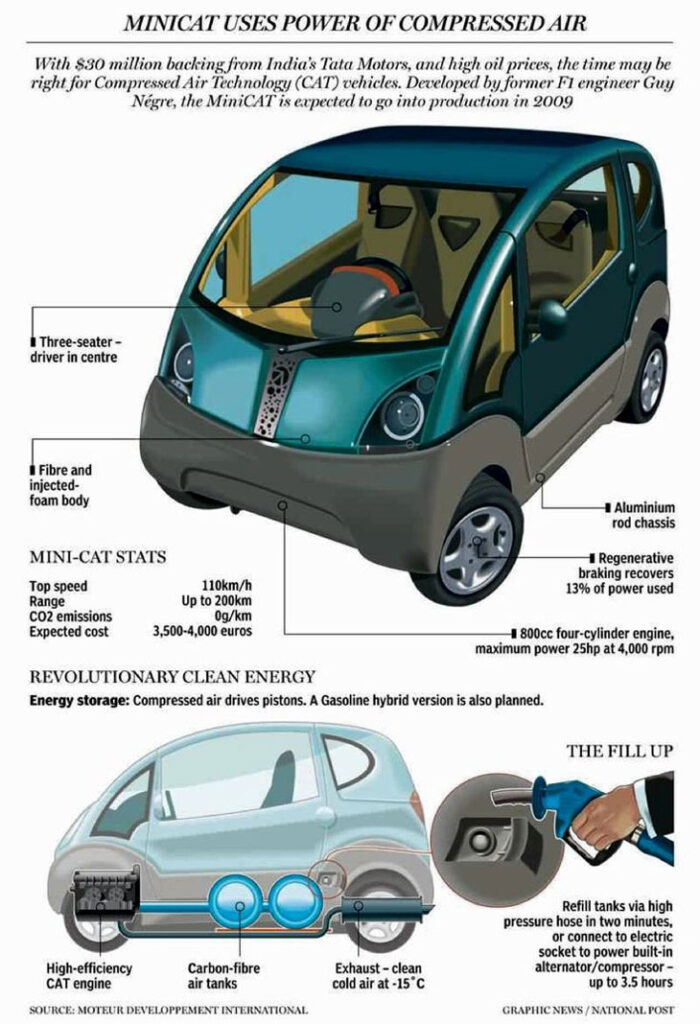
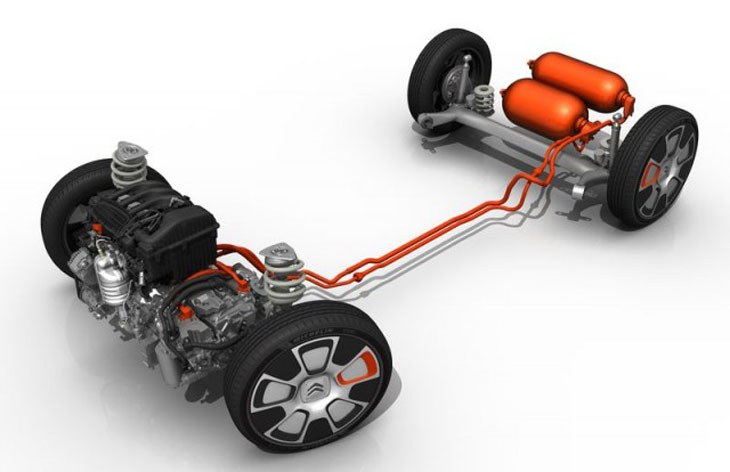
Like any innovation, CAVs face hurdles. Their energy efficiency lags behind EVs, and range remains a challenge, limited by the capacity of air tanks.
But these hurdles are engineering problems, not dead ends.
The Role of Recycled Air Conditioning Systems
Waste to Resource: A Circular Economy
Millions of air conditioning units end up in landfills every year. These units are packed with compressors—the heart of an air-powered system.
By repurposing this “junk,” we’re not just recycling; we’re creating a circular economy where waste becomes innovation.
Integration into Vehicles: Breathing Life into Old Tech
Retrofitting existing vehicles with air conditioning-based systems isn’t as far-fetched as it sounds.
These systems can work alongside traditional powertrains, providing a boost or even replacing the engine entirely.
Imagine converting an aging gas guzzler into a clean, air-powered commuter car.
Real-Life Applications: City Slickers and Beyond
In smog-filled megacities, where air pollution cuts years off lifespans, fleets of compressed air-powered taxis or delivery vans could change the game. Quiet, non-polluting, and efficient—perfect for urban settings.
The Future of Compressed Air Vehicles
Innovations in Energy Storage: The Holy Grail
Researchers are working on better materials for air tanks, making them lighter and capable of holding higher pressures.
Hybrid systems could combine compressed air with electric power, offering the best of both worlds.
Scaling Production: Making It Mainstream
Mass production will slash costs, making compressed air vehicles an accessible alternative.
Automakers like Tata Motors are already exploring this technology, hinting at a greener future on the horizon.
A Vision for Sustainability
Compressed air vehicles won’t replace every car overnight, but they could fill crucial gaps. Delivery fleets, urban commuters, or even rural vehicles could benefit from this technology.
It’s not just about solving transportation problems—it’s about rethinking our relationship with energy.
Conclusion
Compressed air-powered vehicles may sound like science fiction, but they’re grounded in science fact.
By recycling systems as mundane as air conditioners, we can reimagine transportation as clean, sustainable, and affordable.
So, next time you crank up the AC, remember: that hiss of compressed air might just be the sound of the future.