
Traffic lights, drive-thrus, and school pick-up lanes are daily routines for many drivers.
You might sit in your car with the engine running, staring at the seconds ticking down on the light or waiting for your turn to move forward.
It feels harmless, even necessary. After all, what’s the harm in letting the engine idle for a while?
For men in their prime, juggling work, family, and the wallet is a delicate balance. Fuel costs climb, maintenance expenses lurk, and the environment?
Often left as an afterthought. This story isn’t just about fuel consumption; it’s about redefining the way we think about driving habits and making smarter choices—one stop at a time.
What Is Idling, and Why Does It Matter?
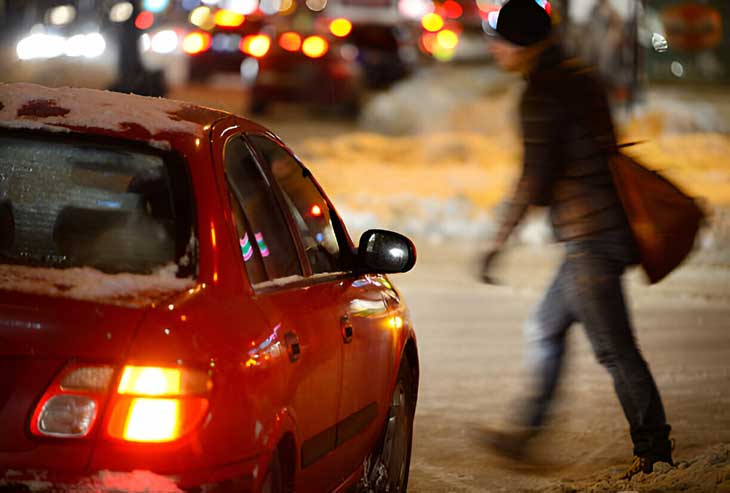
Car idling occurs whenever the engine is running, but the vehicle is stationary.
It happens during common situations like waiting at red lights, stuck in traffic jams, or keeping the engine on while running a quick errand.
While it might seem harmless, idling has implications far beyond what most people realize.
One common misconception is that idling uses less fuel than restarting the engine. This belief stems from older car models, where frequent engine restarts could lead to wear and higher fuel consumption.
However, modern vehicles are equipped with fuel-injection systems and advanced sensors that minimize fuel use during restarts.
Studies show that idling for more than 10 seconds often uses more gas than turning the engine off and restarting it.
It’s easy to dismiss idling as a minor issue, but its cumulative effects add up over time. Understanding these impacts is the first step toward smarter driving habits.
The Mechanics of Idling: What’s Really Happening Under the Hood?
When you let your car idle, the engine doesn’t simply pause—it continues to work, albeit at a reduced capacity.
To keep the engine running at a minimal speed, two key elements are involved: air and fuel.
Throttle and Airflow
- The throttle stop allows a small amount of air to flow through the intake manifold to maintain combustion.This airflow is regulated by the idle air control (IAC) valve, which works with sensors to monitor factors like ambient temperature and electrical load.
- These adjustments ensure that the engine idles smoothly, even in varying conditions.
Fuel Consumption
- A compact car with a 2-liter engine consumes around 0.16 to 0.3 gallons of fuel per hour while idling. For larger vehicles like SUVs or trucks with 4.6-liter engines, this figure jumps to 0.5 to 0.7 gallons per hour.
- Cold weather increases fuel consumption as the engine works harder to maintain operating temperature.
This ongoing cycle of air and fuel usage might seem insignificant during short stops, but over weeks or months, the cost becomes noticeable.
The Hidden Costs of Idling
Idling might appear convenient, but it comes with hidden costs that affect your wallet, the environment, and your vehicle’s health.
1. Financial Impacts
- Fuel Waste: Idling for 30 minutes a day can consume an entire gas tank over two winter months, leading to unnecessary expenses. This means higher fuel bills for minimal benefit.
- Maintenance Costs: Prolonged idling increases oil circulation, accelerating its degradation and requiring more frequent oil changes. Spark plugs can also foul prematurely, leading to costly repairs.
2. Environmental Consequences
- Every minute of idling releases harmful emissions into the air. Carbon dioxide, nitrogen oxides, and other pollutants contribute to poor air quality and climate change.
- Reducing idling is one way to minimize your carbon footprint, especially for those who care about leaving a cleaner world for future generations.
3. Impact on Vehicle Health
- Engine Wear: Idling stresses components like the cylinder rings and gaskets, reducing their lifespan. Over time, this can lead to performance issues or even major engine repairs.
- Battery Strain: Contrary to popular belief, idling doesn’t effectively charge your battery. Instead, it can deplete it, especially when paired with high electrical loads like air conditioning or headlights.
While the immediate effects of idling might not seem significant, the long-term consequences are unavoidable.
Practical Solutions to Reduce Idling
Making small changes to your habits can significantly reduce idling time, saving money and reducing wear on your car.
1. Manage Stops Effectively
- Turn off the engine if you’re stopping for longer than 10 seconds, such as at drive-thrus or when waiting for someone. Modern cars handle restarts efficiently, so don’t worry about damaging your engine.
- Plan routes with fewer stop-and-go scenarios to minimize idle time.
2. Rethink Winter Warm-Ups
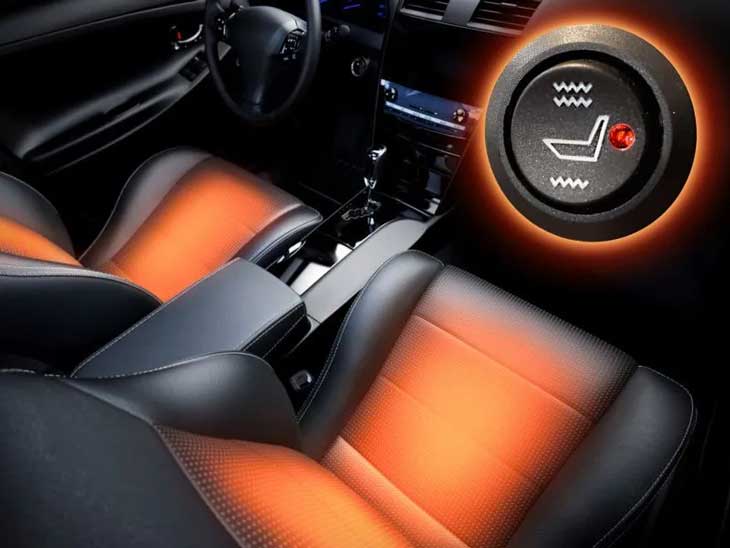
- Instead of idling to warm up your car, start driving gently. Modern engines warm up faster while in motion.
- Use seat warmers instead of cranking up the heater, which draws less power from the engine.
3. Change Waiting Habits
- Avoid sitting in the car with the engine running while waiting. Step outside or roll down the windows to stay comfortable.
- Encourage family members or colleagues to reduce idling when carpooling or during group errands.
4. Invest in Technology
- Consider upgrading to a hybrid or electric vehicle. These cars automatically shut off the gas engine during idle and switch to battery power, reducing fuel consumption and emissions.
- Look into installing a remote start system with idle timers for more control over engine operation.
5. Monitor and Adjust
- Track your idling habits to identify patterns and opportunities for improvement. Use apps or in-car systems to monitor fuel usage over time.
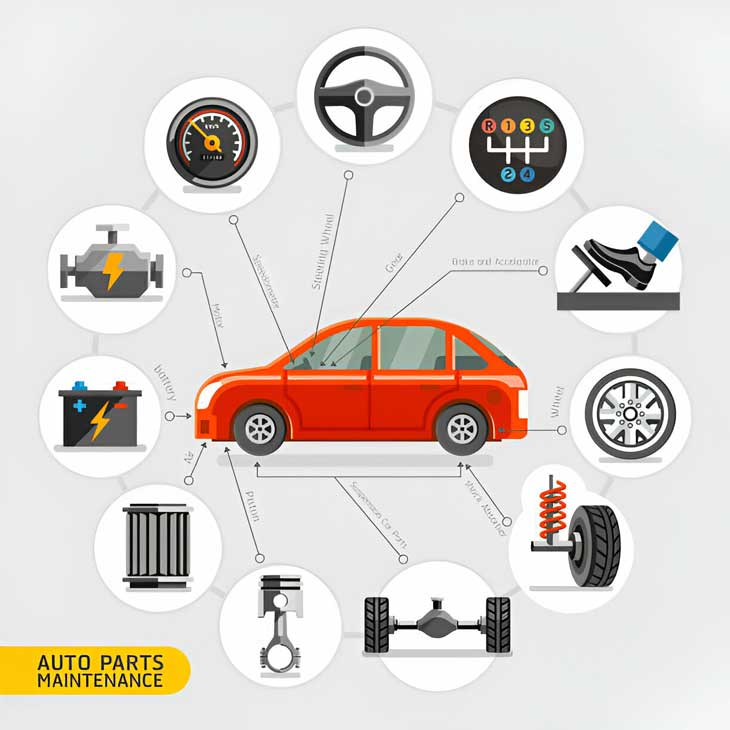
- Regular maintenance, like oil changes and air filter replacements, ensures your engine runs efficiently, even when idling briefly.
Conclusion
The next time you find yourself sitting in traffic or waiting in your car, think about the small choices you can make.
Reducing idling isn’t just about saving fuel—it’s about driving smarter, protecting your vehicle, and leaving a smaller footprint on the planet.
Every driver has the power to turn these moments of stillness into opportunities for action.
By adopting a few thoughtful habits, you’ll not only save money but also contribute to a cleaner, more sustainable world for future generations. That’s a story worth being part of.