
It’s a busy morning, and you’re heading out to tackle the day ahead. You approach your car, reach into your pocket, and pause.
The keys? Gone. Maybe you misplaced them, or maybe they’re locked inside the vehicle. Either way, you’re stuck, frustrated, and searching for a solution.
This scenario can throw off anyone, especially when there’s a meeting to attend or errands piling up.
While modern technology has added conveniences like keyless entry and smart locks, many vehicles still rely on the old-fashioned key.
And when that’s missing, a solid backup plan is essential.
Today, we’re diving into a skill that has helped many drivers in a pinch: hotwiring. While it sounds like something out of an old action movie, this is a practical approach for older vehicles when emergencies strike.
Let’s dive in and explore the steps to get you back on the road without losing your cool.
The Basics of Hotwiring: What You Need to Know
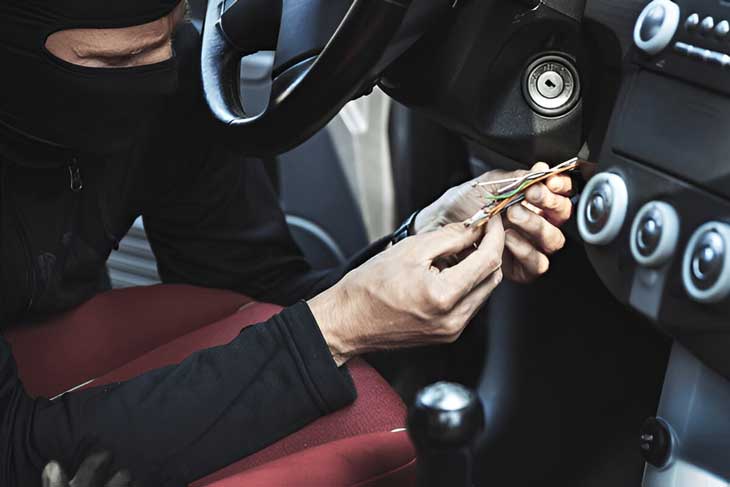
Hotwiring might sound like a trick reserved for movies, but in reality, it’s a straightforward process to bypass the ignition system.
The idea is simple: instead of using the key to start the electrical circuit that powers the engine, you manually trigger it.
Here’s the catch: this only works for vehicles built before 2000, as most modern cars have robust security features like immobilizers and key transponders.
These systems communicate with the car’s central computer to confirm the key is present before starting the engine. No code, no start.
But for older cars, hotwiring can be a lifesaver. It’s a method to rely on only in emergencies, and it’s crucial to remember that using this technique on someone else’s car is both illegal and unethical. This guide assumes you’re addressing a problem with your own vehicle.
Now that we’ve cleared up what hotwiring is and when it can be used, let’s talk about preparation. Because like any good plan, success lies in the details.
Preparing for the Task: Tools and Safety First
Before jumping into the process, you need the right tools. Without them, you risk damaging your car—or worse, putting yourself at risk. Here’s what you need:
- A flat-head screwdriver for accessing the ignition system.
- A Phillips screwdriver to remove screws from the steering column cover.
- Insulated gloves to protect yourself from electrical shocks.
- Wire cutters and strippers for handling the ignition wires.
Safety is critical here. Working with a car’s wiring system can be dangerous if you’re not cautious.
Wear insulated gloves, work in a dry area, and take your time. Rushing can lead to mistakes, and mistakes can be costly.
Preparation doesn’t end with gathering tools—it’s also about knowing your car. Consult the manual or do some research online to identify the wiring layout.
This knowledge will save you time and frustration once you start. With everything ready, it’s time to move to the hands-on steps.
Step-by-Step Guide to Hotwiring
Hotwiring is all about following a clear process. Let’s break it down into manageable steps.
Step 1: Try the Screwdriver Method
Insert a flat-head screwdriver into the ignition keyhole and turn it as you would a key. On older vehicles, this simple trick might start the engine. If it doesn’t, don’t force it. Move to the next step.
Step 2: Access the Ignition Wires
Using a Phillips screwdriver, remove the screws from the steering column cover. These screws are typically located on both sides of the column.
Once removed, gently pull off the cover to expose the wiring system beneath.
Step 3: Identify Key Wires
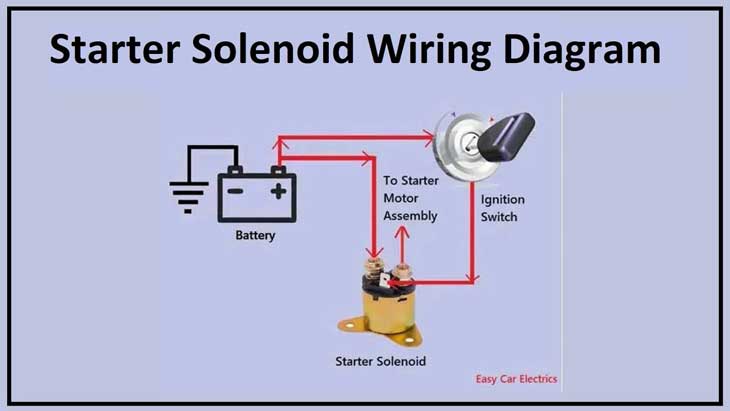
Locate the bundle of wires connected to the ignition system. Typically, there are three main groups: one for the lights, one for the wipers, and one for the ignition and battery.
Focus on the latter. The wires for the battery are often red, but confirm this by checking your car’s manual or an online resource for your vehicle’s model.
Step 4: Connect the Wires
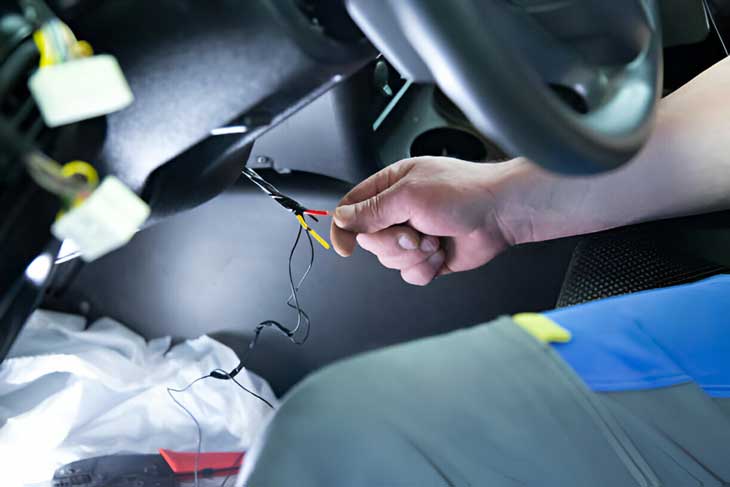
Carefully strip a small section of insulation from the ignition and battery wires. Twist the ends of these wires together.
If done correctly, you’ll see the dashboard lights and hear the electrical system activate.
Step 5: Start the Engine
Next, identify the wire connected to the starter motor. Strip the insulation from its end, then touch it to the twisted ignition and battery wires.
This should crank the engine. Once the car starts, separate the wires to avoid damage.
Step 6: Address the Steering Lock
If the steering wheel is locked, use a flat-head screwdriver to carefully pry the lock open. Be gentle to avoid damaging the column.
This step may not be necessary for all vehicles but is worth noting for those with older lock mechanisms.
Hotwiring isn’t complicated when you follow these steps, but it’s not a permanent fix. Once the car is running, your next stop should be a mechanic to address the key issue.
Why Modern Cars Make Hotwiring Obsolete
With advancements in automotive technology, hotwiring is becoming a thing of the past. Features like immobilizers, key transponders, and computerized locking systems have made vehicles far more secure.
While this is great for preventing theft, it also means fewer DIY solutions for emergencies.
Modern cars often require a professional locksmith or dealership visit to resolve key-related issues.
This adds a layer of inconvenience, but it’s a small trade-off for the enhanced security and peace of mind these systems provide.
Knowing how to handle emergencies with older cars is still a valuable skill, but for modern vehicles, preparation is the key—literally.
6. Precautionary Tips for Avoiding Future Emergencies
The best way to handle lost keys is to prevent the problem in the first place. Here are some tips to keep you prepared:
- Invest in a spare key. Keep it in a safe, accessible location, like a home safe or with a trusted friend.
- Use a key-tracking device. Attach a Bluetooth tracker to your keychain to quickly locate misplaced keys.
- Maintain your car’s ignition system. Regular inspections can help identify potential issues before they become problems.
- Keep professional contact information handy. A trusted mechanic or locksmith can save time and hassle during an emergency.
Being proactive is the easiest way to avoid the frustration of being locked out.
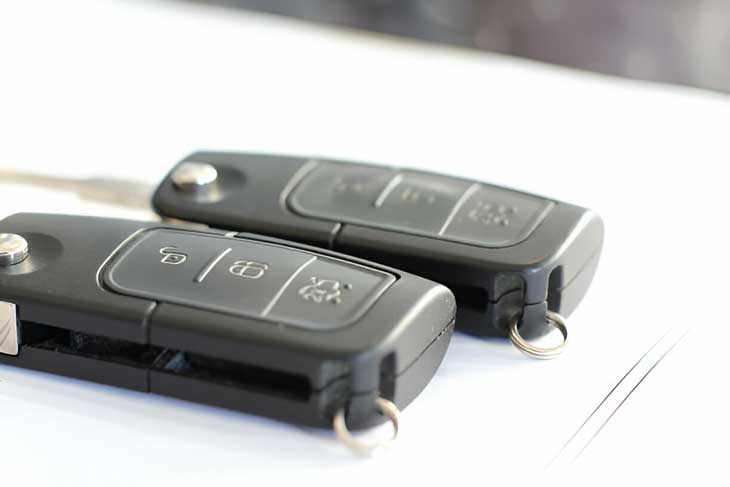
Conclusion: Preparedness is the Key
Emergencies happen when we least expect them, but they don’t have to ruin your day.
Knowing how to hotwire an older car can save you time and stress in the right circumstances, but it’s no substitute for proper preparation.
Whether it’s a spare key, a Bluetooth tracker, or a trusted professional on speed dial, a little planning goes a long way.
When you’re ready for the unexpected, even the most frustrating situations become manageable.
So, next time you reach for your keys, take a moment to appreciate their importance. And if they’re not there, now you know exactly what to do. Safe travels!