
It’s a situation we’ve all dreaded: sitting behind the wheel, turning the ignition key, and—nothing happens.
Maybe you’re running late for a meeting, or perhaps you’re headed to pick up your kids.
Regardless of the circumstances, a dead starter feels like a roadblock that tests not only your patience but also your problem-solving skills.
For men who value reliability, this isn’t just about fixing a car; it’s about staying in control of your day.
Let’s explore practical, straightforward solutions that can get you back on the road without breaking a sweat.
Understanding the Problem
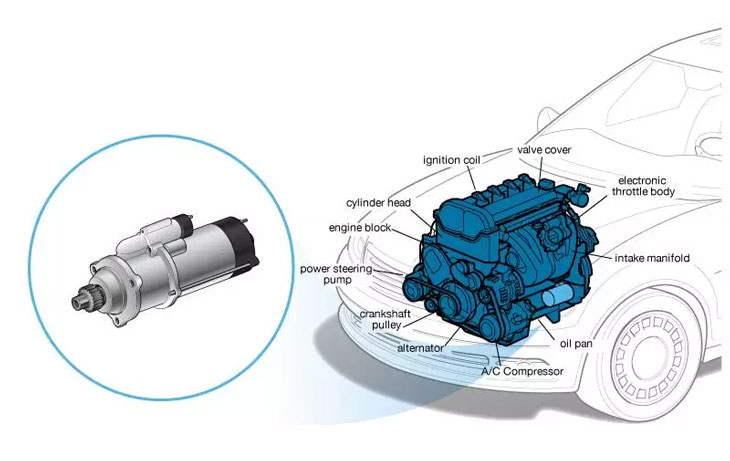
The starter is a fundamental component of your car’s ignition system. It bridges the gap between the electrical energy stored in your battery and the mechanical force needed to fire up the engine.
When this part malfunctions, your car effectively becomes a stationary object. Knowing the root causes and symptoms of a faulty starter helps you tackle the problem confidently.
Why Starters Fail:
Several factors contribute to starter failure, including:
1. Loose or Corroded Electrical Connections: Over time, vibrations from driving can loosen the cables connecting the battery to the starter.
Additionally, corrosion caused by dirt, grease, or exposure to moisture can block the flow of electricity.
2. Internal Wear and Tear: The starter motor’s brushes or bearings may degrade over time, reducing efficiency or causing it to fail entirely.
3. Mechanical Obstruction: Starter gears may jam, preventing proper engagement with the engine’s flywheel.
4. Solenoid Issues: The solenoid, which relays power from the battery to the starter, might fail due to electrical or mechanical wear.
Recognizable Symptoms of a Faulty Starter:
1. No Crank or Start: Turning the ignition key results in silence or a faint click.
2. Slow Cranking: The engine struggles to turn over, even though the battery is charged.
3. Unusual Noises: Grinding, whirring, or clinking sounds indicate a mechanical problem.
4. Smoke or Burning Smell: Repeatedly attempting to start the car can overheat the starter, causing visible smoke or a distinct odor.
Understanding these signs equips you to act promptly when a bad starter strikes.
Quick Fixes to Get You Moving
When your car refuses to start, try these practical steps before calling a tow truck.
1. Check the Connections
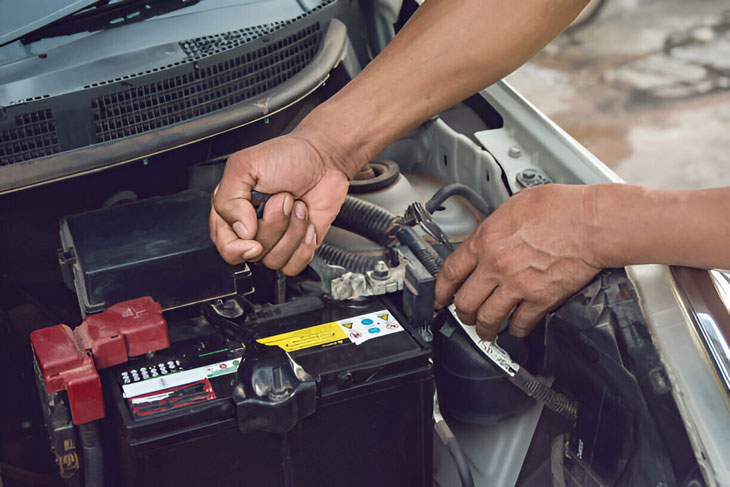
Loose or corroded connections can often be the underlying cause of a non-starting car.
- What to Do:
- Open the hood and locate the battery.
- Inspect the positive and negative cables for tightness and signs of corrosion.
- If corrosion is present, disconnect the cables using a wrench (always start with the negative terminal).
- Clean the terminals and cable ends with fine-grade sandpaper or a wire brush.
- Reconnect the cables securely, starting with the positive terminal.
A solid connection ensures uninterrupted electrical flow to the starter, which could immediately solve the problem.
2. Clean Corrosion
Corrosion is one of the most common and overlooked causes of starter issues.
- Step-by-Step Instructions:
- Mix a solution of baking soda and water (or purchase a commercial cleaner).
- Apply the mixture to the corroded areas using an old toothbrush or sponge.
- Let it sit for a minute, then scrub the corrosion away.
- Rinse with clean water and dry thoroughly before reconnecting.
Proper cleaning can restore the connection, giving the starter a better chance to function.
3. Tap the Starter
If your starter is unresponsive, tapping it gently can often free up stuck components.
- How to Do It:
- Locate the starter by referring to your car’s manual (it’s usually near the flywheel).
- Use a small hammer, wrench, or wooden block to tap the starter gently.
- Focus on the edges and avoid hitting it with excessive force to prevent damage.
This technique can temporarily reestablish contact between the starter’s internal brushes and armature.
4. Shake the Car (Manual Transmission Only)
For drivers of manual cars, this method can be surprisingly effective.
- Steps to Try:
- Engage the parking brake and ensure the car is in top gear.
- Push the car gently back and forth, creating a rocking motion.
- Release the brake intermittently to allow the movement to free any jammed gears in the starter.
While unconventional, this method is particularly useful when you’re unable to access the starter directly.
5. Jump-Start the Battery
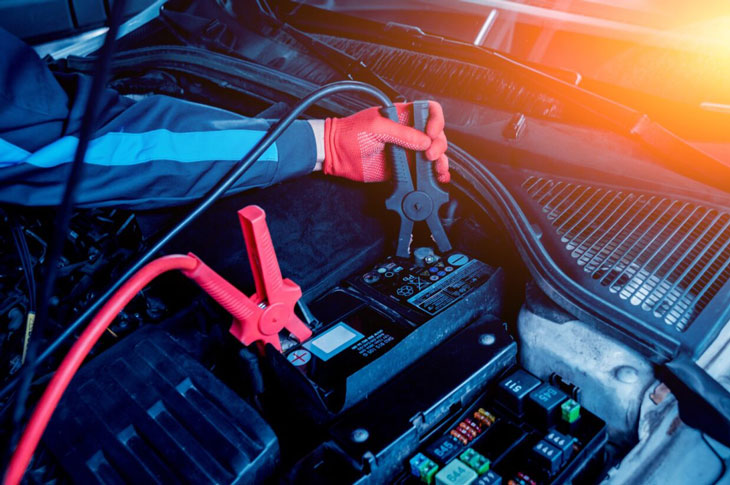
A weak battery might be mistaken for a bad starter. Jump-starting the car helps rule out the battery as the culprit.
- How to Do It:
- Use jumper cables to connect your battery to a donor vehicle’s battery.
- Attach the cables in the correct order: positive to positive, negative to ground (not directly to the negative terminal).
- Start the donor vehicle and let it run for a few minutes before attempting to start your car.
If the car starts after jumping, the problem likely lies in the battery, not the starter.
When to Call for Professional Help
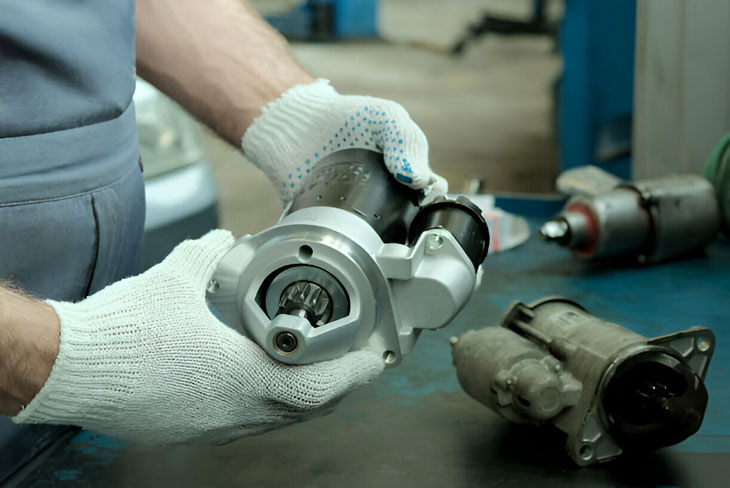
If none of these methods work, it’s time to consult a mechanic. Temporary fixes can only take you so far, and attempting DIY repairs on a starter can be challenging.
What Professionals Will Check:
- Starter Motor Wear: Technicians can open the starter to check for worn brushes or bearings.
- Solenoid Condition: The solenoid will be inspected for electrical continuity and mechanical integrity.
- Flywheel Teeth: Damaged or missing teeth in the flywheel can impede starter function.
Why It’s Worth the Cost:
Although replacing a starter can be pricey, it’s a long-term solution that ensures your car remains dependable.
Conclusion
Dealing with a bad starter is more than a mechanical inconvenience—it’s a reminder of the importance of preparation and resourcefulness.
With the solutions outlined here, you can tackle the challenge head-on and maintain control of your day.
Remember, regular maintenance of your car’s electrical systems can prevent many common issues, keeping you one step ahead of unexpected breakdowns.
The next time you turn that key, you’ll know you’re ready for whatever comes your way.