
Let’s face it — Pittsburgh’s T light rail system has been limping along for far too long. Its cars are aging, parts are harder to come by, and it’s often a gamble whether or not you’ll actually make it to your destination without breaking down.
Well, folks, it looks like the wheels of progress are finally in motion.
Pittsburgh Regional Transit (PRT) has taken the first major step toward replacing its aging fleet of light rail cars with a massive $750 million overhaul.
This project is not just about upgrading cars; it’s about rebuilding the backbone of Pittsburgh’s public transit. The city’s rail cars, which average a whopping 33 years of age, are about to be retired. And it’s about time.
PRT’s Deputy Chief Communications Officer, Adam Brandolph, summed it up perfectly when he said, “We have to start somewhere and this is the first step in a marathon.” The marathon is long, but we’re finally crossing the starting line.
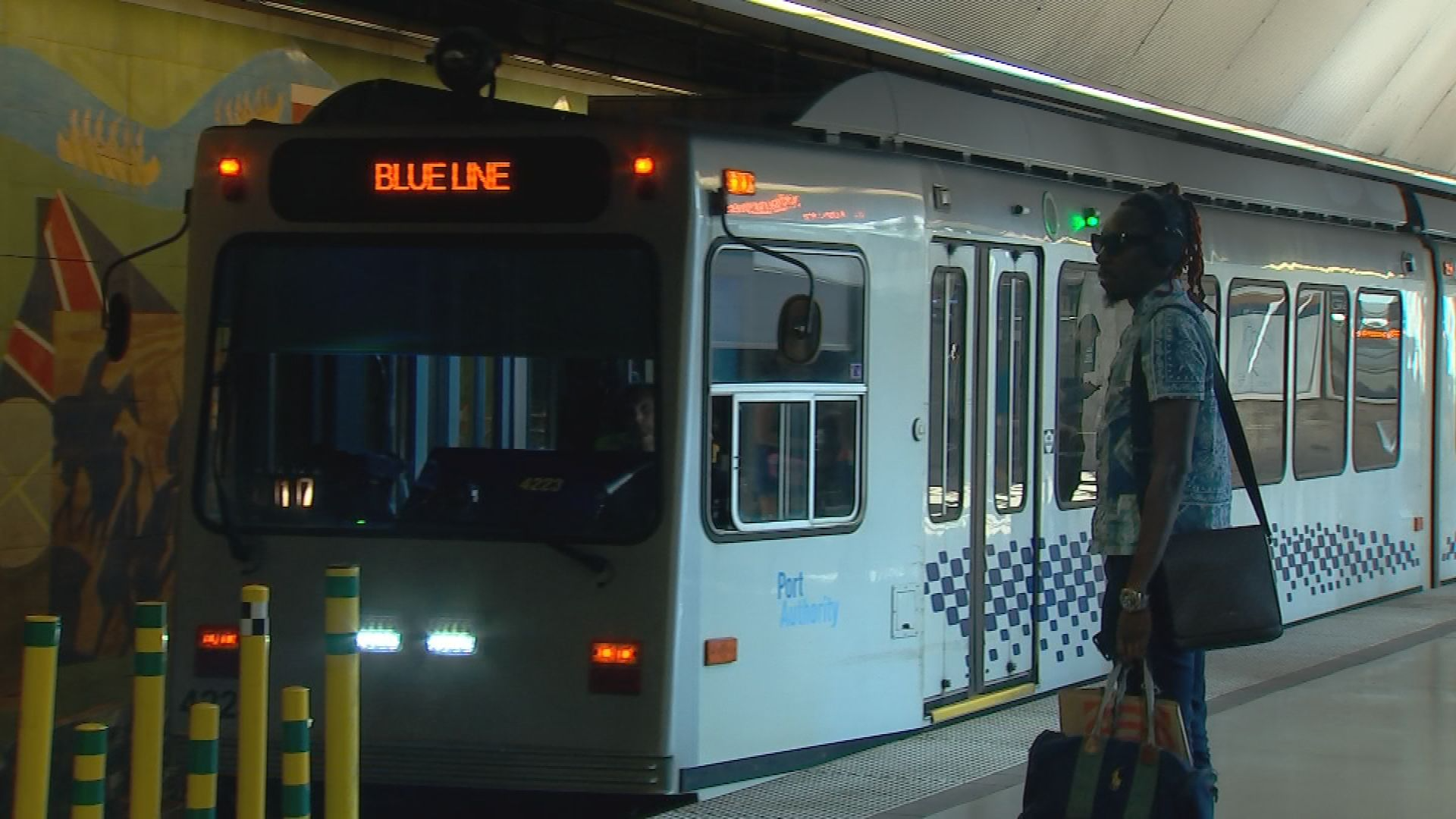
A Fleet on Its Last Legs: Why the T’s Cars Are in Desperate Need of Replacement
Here’s the kicker: the average age of Pittsburgh’s rail cars is 33 years old. For comparison, the average car in the U.S. lasts about 12 years before it’s deemed “too old” to drive.
Yet, here we are, with a fleet that’s more than twice as old as most cars. As Brandolph points out, “By the time we take acceptance of these new rail cars, they’ll be 45 years old. They’re expected to last about 30 years, so we are just about approaching the end of their useful life.”
That’s a nice way of saying, “We’ve been pushing these cars past their expiration date for years.” The reality is, these cars are far past their prime, and the fact that we’ve made it this long is more about luck than planning.
Parts are no longer in production, and everything that breaks needs to be fabricated in-house. If that doesn’t sound like a recipe for disaster, I don’t know what does.
But don’t worry, we’re about to kick these clunkers to the curb and bring in something that actually looks, feels, and operates like it belongs in the 21st century.
A $750 Million Project: How Pittsburgh Plans to Get There (And How Long It Will Take)
Now, here’s where things get a little complicated: This project is going to take 12 years to complete.
That’s right, over a decade of slowly but surely rolling out new rail cars. So, we’re not getting a shiny new fleet tomorrow — patience is key here.
But don’t despair, the good news is that PRT is starting with a hefty sum: they’re seeking $390 million in federal grants to help design and purchase the new fleet.
The overall price tag for the entire project? A cool $750 million. And the beauty of this plan? We won’t have to start paying off the project until the new cars are actually rolling out.
So it’s a little like buying a house where you don’t have to make your first payment until you’ve moved in. Not bad, right?
This phased approach means that we’ll see prototype cars tested in about 4-5 years, and then those new cars will trickle in over the next few years. The process might seem slow, but it’s a marathon, not a sprint.
In the Meantime: A Struggling Fleet and a Growing Band-Aid Solution
Alright, so now that we know the new cars are coming, what about the here and now? Well, the current fleet is basically a walking (or rolling) disaster.
There’s no denying it. The cars are old, parts are hard to find, and PRT is having to get creative to keep things running.
As Brandolph pointed out, “They don’t make replacement parts for the rail cars that we currently have. A lot of the parts that we have are manufactured in-house, so that is basically going to have to happen more frequently over the next dozen or so years.”
In other words, for the next decade, expect more homegrown fixes, which means more breakdowns and more delays.
So, while we wait for our shiny new fleet, the existing T cars will keep chugging along, with some duct tape and elbow grease making them last just a little longer.
But hey, at least we’re getting somewhere, right? A replacement is in sight, even if it’s still a few years away.
Testing, Tweaking, and Finally Rolling Out the New Cars: What to Expect
As with any major project, the real fun begins once the prototypes hit the tracks. PRT plans to begin testing the first prototype cars in 4-5 years.
During this time, they’ll fine-tune the designs and make sure everything works as it should. It’s all part of the process — the last thing anyone wants is a fleet of trains that only half-work.
Once the testing phase is complete, custom-built cars will be delivered in batches, one or two at a time, over the following years.
This means we won’t be getting an entire fleet overnight, but it also allows PRT to work out any kinks before the full fleet arrives.
And what exactly can we expect from these new rail cars? Efficiency, capacity, and comfort. These cars will be energy-efficient, capable of handling more passengers, and feature modern technology that ensures a smoother ride for everyone.
Long-Term Goals: How This Fleet Will Shape Pittsburgh’s Future
Pittsburgh isn’t just upgrading its light rail for the sake of convenience; it’s about future-proofing the city’s transit system.
With a new fleet of efficient, reliable cars, Pittsburgh will be able to accommodate a growing population, provide better service, and reduce the operational costs that come with running outdated trains.
The new cars will also be designed with accessibility in mind, ensuring that Pittsburgh’s transit system is easy to use for all residents, including those with disabilities.
And with a focus on energy efficiency, the new fleet will also contribute to the city’s broader goals of reducing its carbon footprint.
But the biggest benefit? Reliability. Pittsburgh’s light rail system has long struggled with reliability issues.
New cars mean fewer breakdowns, fewer delays, and a more dependable transit option for everyone who relies on it daily.
The Bottom Line: Can Pittsburgh Afford to Wait for a New Fleet?
This is a long road, but one that’s absolutely necessary for the future of Pittsburgh’s transit system.
With a price tag of $750 million and a timeline that spans over a decade, it’s easy to get impatient.
But let’s not forget that a massive overhaul of a transit system isn’t something that happens overnight.
While we wait, there will undoubtedly be some growing pains. Expect more parts to break, more delays, and more frustration from passengers.
But in the end, this investment will be worth it. Pittsburgh is preparing for the future, and when those new rail cars hit the tracks, it’ll be a game-changer for the city.
The real question is, will other cities learn from Pittsburgh’s long-term approach to transit? Or will they continue to let their fleets age into oblivion? Only time will tell, but for now, Pittsburgh is setting the stage for a much-needed upgrade.