
Have you ever gotten stuck in the mud with your car, only to realize it’s more of a city slicker than an off-road warrior? I have—picture me, a few years back, trying to impress my friends with my shiny sedan on a muddy trail.
Spoiler alert: it ended up looking like a sad swamp monster. That’s when I started dreaming of a truck that could handle the wild while still being kind to the planet. Enter Toyota, the unsung hero of sustainable off-roading, blending rugged adventure with eco-friendly tech in ways you’d never expect.
Let’s dive into the top three little-known ways Toyota has pioneered this green off-road revolution, with a sprinkle of laughs and a dash of my own clumsy adventures along the way.
Top 3 Mind-Blowing Ways Toyota Revolutionized Sustainable Off-Roading
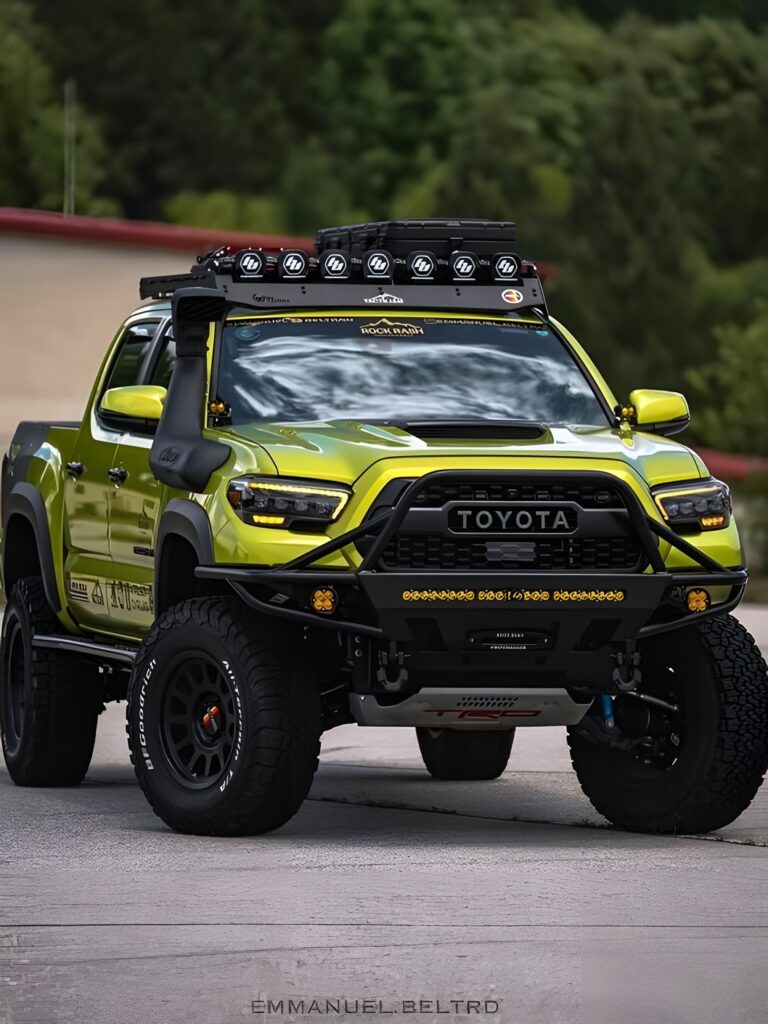
Okay, let’s talk tech for a sec. Toyota didn’t just stop at the Prius when they launched the world’s first mass-produced hybrid car back in 1997. Nope, they took that green magic and started tinkering with it for their off-road beasts.
Imagine a 4Runner or Tacoma that can crawl over rocks while sipping fuel like it’s on a diet—wild, right? They’ve been experimenting with hybrid systems that combine electric power with those roaring V6 engines, cutting emissions without sacrificing the torque you need to conquer a muddy hill. It’s like giving a lion a vegan smoothie but keeping its roar intact.
I remember renting a hybrid SUV once, thinking, “How bad can it be?” Turns out, it was a breeze on the highway, but when I veered off to a forest trail, I was sweating bullets. The car handled it, though—quietly, efficiently, like a ninja in the woods.
Toyota’s engineers have taken this concept further, adapting hybrid tech to handle the rough stuff, and it’s a game-changer. They’ve even tested prototypes that recharge their batteries using regenerative braking on downhill slopes—pretty cool for a truck that’s also saving the planet, don’t you think?
Here’s where I’ll admit something: I once tried “regenerating” my own energy after a hike by chugging an energy drink. Spoiler: it didn’t work, and I ended up jittery instead of refreshed.
Toyota’s version is way smarter—no caffeine crashes, just pure off-road zen. Maybe I should stick to driving their hybrids instead of inventing my own!
Now, let’s shift gears to something a bit quirky. Toyota’s Toyota Production System (TPS)—that waste-eliminating, efficiency-loving brainchild—has led them to use recycled materials in their truck interiors.
Yep, those comfy seats or durable dashboards might once have been plastic bottles or old car parts. It’s like upcycling for the automotive world, turning trash into trail-ready treasure.
This isn’t just eco-friendly fluff; it reduces landfill waste and keeps production lean, aligning with that Kaizen philosophy of continuous improvement. Every time you hop into a Toyota off-roader, you’re sitting on a little piece of sustainability history.
I once tried a DIY upcycle project—turning an old T-shirt into a tote bag. Let’s just say it looked more like a lumpy potato sack than a fashion statement. Toyota, though, nails this with precision.
Picture this: you’re bouncing over a rocky path, and that recycled dashboard panel holds strong, smirking at my failed craft attempt. It’s a small detail, but it shows how Toyota weaves sustainability into the nitty-gritty of off-roading.
Plus, it’s kind of funny to think my next Tacoma might have a seat made from my old soda bottles—talk about a full-circle moment!
Perhaps the best part? This approach keeps costs down, so you’re not paying a premium for green vibes. I think it’s genius—though I’ll confess, I’d still rather have a cupholder that doesn’t wobble like mine did on that muddy trip!
Last but not least, let’s chat about Toyota’s push for fuel-efficient off-road engines. These aren’t your grandpa’s gas-guzzling trucks. Drawing from early hybrid experiments, Toyota has been tweaking engines to balance raw power with better mileage—think of it as a muscle car going on a health kick.
They’ve optimized combustion and added tech like variable valve timing to squeeze every drop of efficiency out of each gallon. It’s not perfect—off-roading still burns more fuel than a Prius commute—but it’s a step toward greener adventures, and that’s what counts.
I had a buddy who swore his old truck could outlast any terrain but guzzled gas like a thirsty camel. One day, we got lost on a backroad, and I swear we spent more on fuel than on snacks! Toyota’s approach would’ve saved us a headache—or at least a few bucks.
I can imagine cruising through a desert, kicking up dust, while my truck hums along with a smug, “I’m saving the earth” attitude. It’s not quite there yet, but the progress is real, and it’s exciting to see a brand like Toyota lead the charge.
Here’s a funny thought: what if my truck started lecturing me about carbon footprints mid-ride?“Hey, ease up on the gas, buddy!” I’d probably laugh, then maybe listen—especially if it came with a built-in coffee maker to sweeten the deal. Toyota’s not there yet, but their engine tweaks are a solid start, and I’m rooting for them.
Wrapping Up the Adventure
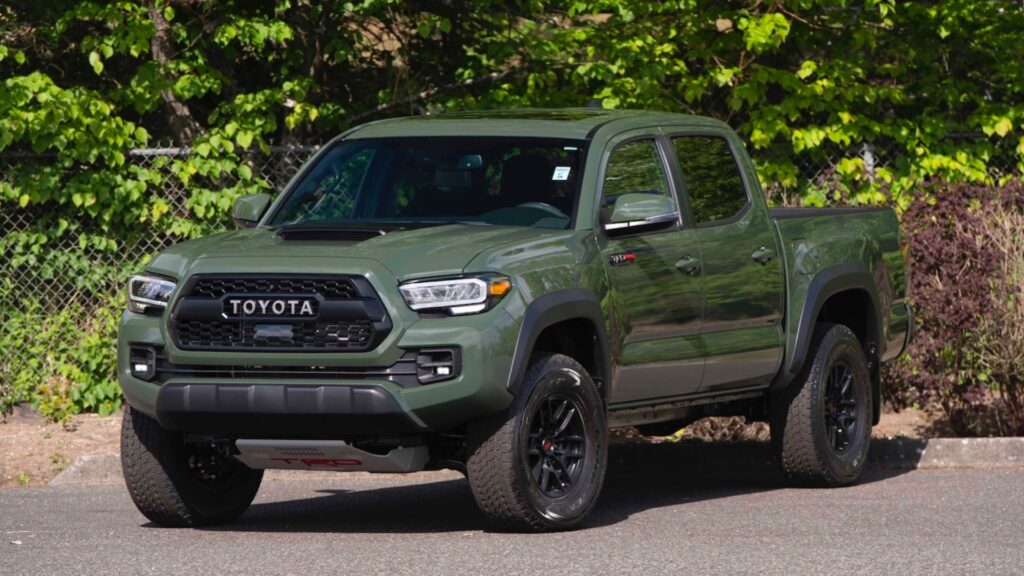
So, there you have it—three wild, lesser-known ways Toyota’s pioneering sustainable off-roading. From hybrid power that conquers trails to recycled interiors that laugh at my craft fails, and fuel-efficient engines that roar with a conscience, it’s clear Toyota’s blending innovation with eco-friendliness in ways that’ll make any off-road junkie grin.
I’ve learned a ton writing this, and maybe next time I’m stuck in the mud, I’ll have a Toyota hybrid to save the day—sans the swamp monster vibes.
My advice? If you’re into off-roading, keep an eye on Toyota’s next moves. They’re not just building trucks; they’re crafting a greener future for the trails.
And hey, as the old saying goes—or should—“Drive green, live wild!” Who knows, maybe I’ll see you out there, swapping stories over a campfire, with our Toyota trucks parked nearby, looking cool and eco-conscious.