
Neutral gear, or the infamous “N,” is one of those features in automatic cars that people either overuse, misuse, or completely ignore.
But here’s the thing: Neutral isn’t just a placeholder on your gear shift; it’s a functional tool that could save your life—or wreck your car if used incorrectly. Let’s break it all down.
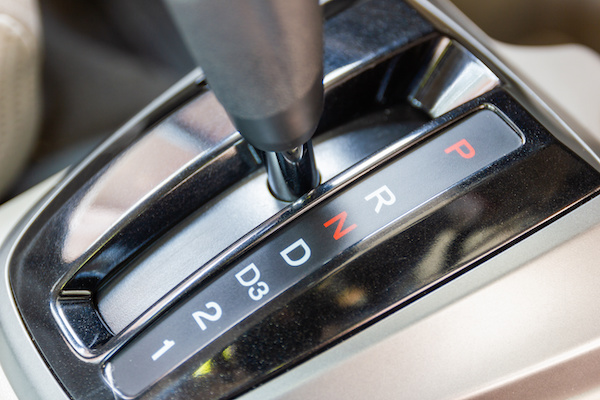
What Does Neutral Gear Do?
Think of neutral as your car’s “pause” button. When you shift into neutral, you disengage the engine from the wheels, allowing them to spin freely.
No power goes to the wheels, but you still have some control over steering and brakes.
Neutral doesn’t make your car accelerate, nor does it inherently save fuel. What it does offer is a way to reduce engine strain in very specific situations.
That said, prolonged use can stress the torque converter—a component that’s both essential and costly to repair. Neutral isn’t inherently harmful, but it’s not a gear to be taken lightly.
Understanding when and how to use neutral is key, especially when critical situations arise. Let’s dive into where it shines (and where it doesn’t).
Situations to Use Neutral Gear
Neutral gear isn’t just a gimmick—it has practical applications, particularly in emergencies. Knowing these scenarios can make all the difference.
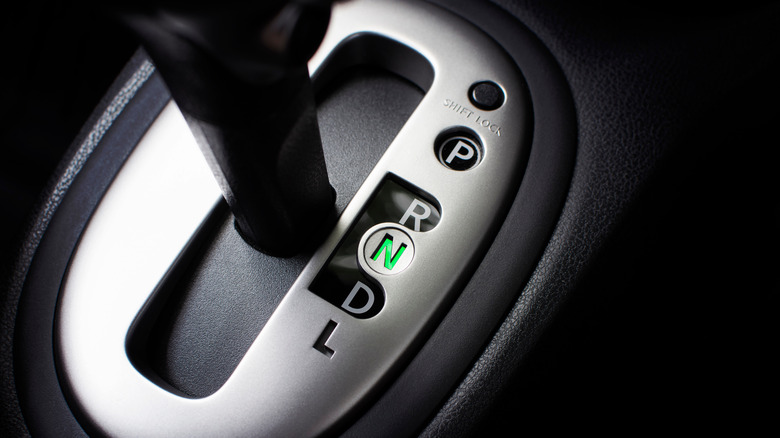
1. Stuck Throttle Situations
Imagine cruising down the highway at high speed, only to realize your throttle is stuck wide open. Scary, right? Shifting to neutral can disconnect the engine’s power to the wheels, allowing you to brake safely.
Unlike switching off the engine, neutral ensures you retain steering control, which is crucial in high-speed situations.
2. Brake Failure
A brake failure is every driver’s nightmare. Killing the engine isn’t the solution, as it can lock the steering mechanism.
Neutral, on the other hand, allows you to safely navigate and slow down using other techniques like emergency brakes, giving you a chance to park the car safely.
3. Towing or Pushing a Car
Neutral is a lifesaver when towing or manually moving a car. While not ideal, it’s often the only option if you don’t have a tow dolly. It minimizes transmission damage and keeps the wheels free to roll.
4. Parking Procedures
Before setting your car to park, engage neutral and pull the handbrake. This relieves strain on the transmission, especially when parked on an incline. Then shift to park for added security.
Neutral is invaluable in emergencies, but it’s not a catch-all solution. Misusing it can lead to more harm than good, as we’ll explore next.
Common Myths and Misconceptions
Neutral gear tends to inspire a lot of myths and half-truths. Let’s clear the air.
Myth: Coasting in Neutral Saves Fuel
This might have been true in older cars, but modern engines cut off fuel supply when coasting in drive. Shifting to neutral won’t save you gas—it just reduces your control over the vehicle.
Myth: Neutral Reduces Brake Wear at Traffic Stops
Switching to neutral at every red light may seem like a clever hack, but it actually causes unnecessary wear on your transmission. Let your brakes do their job; they’re designed for it.
Myth: Neutral Is Always Safe for Coasting
Coasting in neutral disables engine braking, leaving you entirely dependent on your brakes. On steep slopes, this can lead to overheating and brake failure, putting you and others in danger.
Understanding these misconceptions helps us appreciate when neutral should—and shouldn’t—be used.
When Not to Use Neutral Gear
Knowing when to avoid neutral is as important as knowing when to use it.
On Steep Slopes:
Switching to neutral downhill means relying solely on your brakes. Without engine braking, you’re increasing the chances of overheating and losing control.
At High Speeds:
Abruptly shifting to neutral while driving at high speeds can destabilize the car, especially during emergency maneuvers.
In Traffic Stops:
Frequent shifts between neutral and drive at stoplights put strain on your transmission. Keep it simple—stay in drive and hold the brakes.
For Launches:
Accelerating abruptly from neutral to drive can damage the transmission. It’s a flashy move with a costly consequence.
Neutral isn’t a gear for everyday use. Instead, think of it as a safety tool—one to be used sparingly and strategically.
Best Practices for Using Neutral Gear
To get the most out of neutral, it’s essential to follow these best practices:
- Emergencies Only: Treat neutral as a last resort in situations like brake or throttle failure.
- Towing or Moving the Car: Use neutral when towing or pushing the car to prevent damage to the drivetrain.
- Parking with Care: Shift to neutral before engaging the parking brake to reduce transmission stress, especially on inclines.
Using neutral correctly ensures that it remains a valuable safety feature rather than a source of mechanical headaches.
Frequently Asked Questions (FAQs)
Here’s what you’ve been asking about neutral gear:
- Does Neutral Save Gas?
No. Your engine still idles in neutral, consuming the same amount of fuel as it does in drive while coasting. - Is Driving in Neutral Dangerous?
Yes. It reduces control over the vehicle by disabling engine braking and limiting your ability to react quickly. - Should I Use Neutral at Red Lights?
No. Frequent gear changes wear out the transmission. Keep the car in drive and let the brakes handle the stop. - Can Neutral Gear Damage the Car?
Prolonged or inappropriate use can strain the torque converter and transmission.
These FAQs highlight why neutral is a tool, not a crutch. Use it wisely to keep your car—and yourself—safe.
Conclusion
Neutral gear is more than a middle ground on your gear shift—it’s a critical safety feature when used correctly.
Whether it’s stopping a stuck throttle or towing a car, neutral has its moments to shine. But misuse it, and you’ll find yourself with reduced control or an expensive repair bill.
Driving an automatic car isn’t complicated, but understanding the nuances of neutral gear can make you a more confident, informed driver. So, the next time you see that “N,” you’ll know exactly what it’s for.