
You’re driving down the highway, the rhythm of the road soothing after a long day. Suddenly, you see it—a rapid flash of high beams from the car behind you.
It grabs your attention, and you’re left wondering, “What does this mean?”
For many drivers, this situation isn’t just an occasional annoyance but a regular mystery. Is it a warning? A complaint? Or just someone being impatient?
The truth is, flashing high beams is an unspoken language of the road, a way drivers communicate without words.
Understanding this language could be the difference between a smooth journey and a tense encounter. Let’s break it down.
The Common Road Encounter
Flashing high beams might seem like a minor action, but it carries a weight of intention behind it.
You’re on a long stretch of highway at night, when suddenly, you see bright flashes from an approaching vehicle.
It’s a universal gesture, yet its meaning can vary based on context and culture.
In many cases, drivers flash their high beams to communicate urgency or offer a warning. For example, if there’s a speed trap or an accident ahead, a quick flash could save you from trouble.
In other situations, it could be a way of saying, “Your high beams are too bright; please switch to low beams.”
Cultural differences add complexity. In some countries, flashing high beams is a friendly way of greeting another driver or letting them know they can proceed first.
On the flip side, it might also express frustration when someone is blocking the road or driving erratically.
Whether it’s a polite gesture or a stern warning, the meaning depends on how you interpret it—and how you respond could make all the difference.
Why Drivers Flash High Beams
1. Safety Alerts
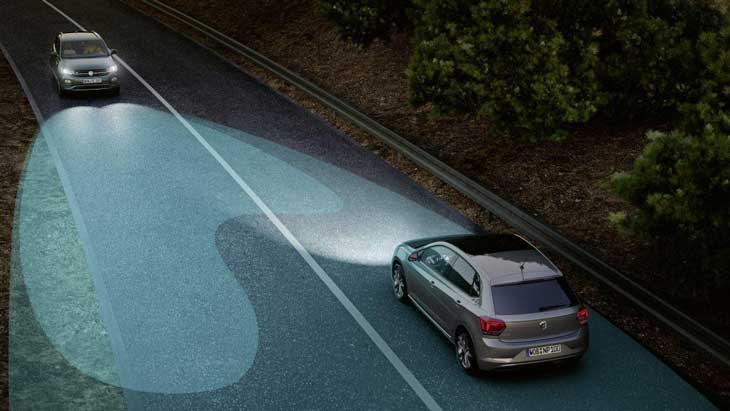
Safety is often the primary reason behind flashing high beams. Drivers use this signal to warn others about potential hazards on the road, such as:
- Obstacles: A stalled car, road debris, or even an animal crossing the road could prompt a flash of lights. It’s a way to say, “Be cautious up ahead.”
- Vehicle Issues: If your taillights aren’t working or your car has a visible problem, someone might flash their high beams to alert you. For instance, a loose bumper or flat tire might go unnoticed without such a signal.
- Visibility Problems: On dark or foggy roads, flashing lights may indicate poor visibility conditions, urging drivers to slow down or use their fog lights.
These actions emphasize the shared responsibility drivers have to ensure everyone’s safety. A momentary flash could prevent a serious accident.
2. Communication and Courtesy
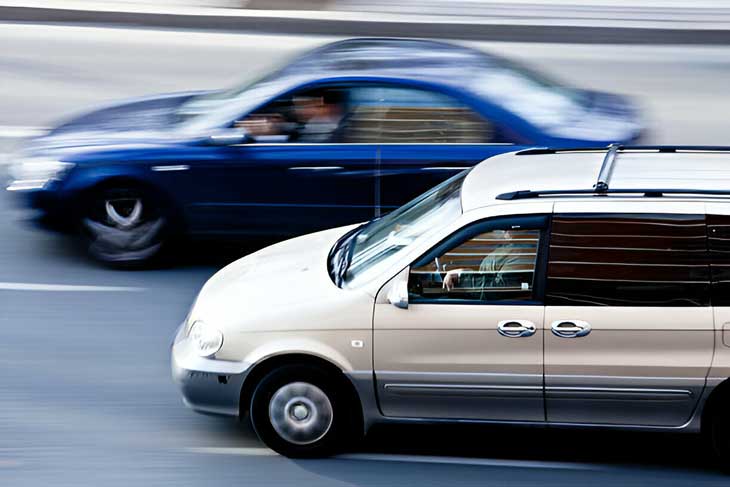
Flashing high beams is a widely used tool for non-verbal communication on the road. Here are some common scenarios where it’s used as a polite gesture:
- At Intersections: When two cars arrive at the same time, a driver might flash their lights to say, “You go first.” It’s a simple way to maintain order without verbal interaction.
- On Highways: Drivers may flash their beams to signal a lane change or to let a slower car know it’s safe to move over.
- As a Greeting: In some cultures, flashing high beams is a friendly hello between passing cars, especially in rural areas or among acquaintances.
This silent communication fosters a sense of camaraderie and cooperation on the road.
Recognizing and responding to these signals helps maintain a flow of traffic and reduces unnecessary tension.
3. Expressing Frustration
Not all high-beam flashes come from a place of goodwill. Unfortunately, some drivers use them to express impatience or annoyance. Common examples include:
- Tailgating: A driver stuck behind a slower vehicle might flash their lights to pressure the car ahead to move over.
- Erratic Driving: If someone is weaving between lanes or braking unpredictably, a flash might be used as a reprimand.
- Blocking the Fast Lane: Drivers who stay in the passing lane for too long might get flashed as a way of saying, “Move over!”
While these actions are less about safety and more about expressing frustration, it’s important to respond calmly.
Avoid escalating the situation—your priority should always be safety over pride.
The Importance of Understanding the Signals
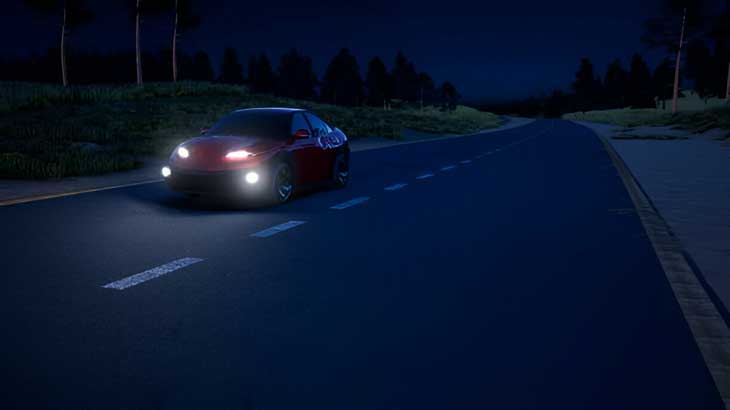
Understanding why drivers flash their high beams allows you to navigate these situations with confidence. Here’s how you can respond appropriately:
1. Assess the Situation
When you see flashing high beams, quickly evaluate your surroundings. Look for potential hazards, such as debris or a broken-down vehicle, and check your own car for issues like malfunctioning lights.
2. Stay Calm
If the flash feels aggressive, resist the urge to react emotionally. Aggressive responses often escalate the tension, which could lead to unsafe driving behaviors. Instead, focus on keeping a safe distance and moving aside if necessary.
3. Use Your Own Lights Properly
Avoid being the source of someone else’s frustration by ensuring your high beams are used correctly. Switch to low beams when approaching oncoming traffic or driving in well-lit areas.
4. Acknowledge Courteous Signals
If someone flashes their lights to let you go first or to warn you about a problem, a quick wave of thanks (if possible) is a thoughtful response.
It helps maintain a cooperative atmosphere on the road.
By understanding these signals, you’re not just improving your own safety but contributing to a more harmonious driving experience for everyone.
Conclusion
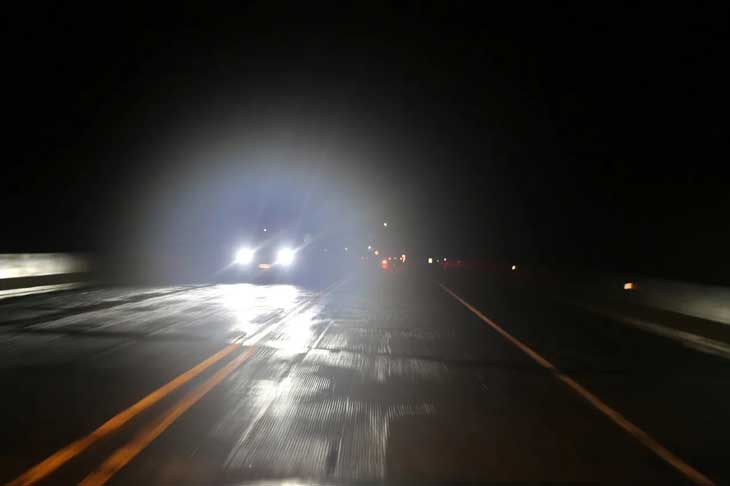
High beams are more than just a tool for lighting up the road ahead. They’re a universal language spoken by drivers worldwide.
Each flash carries a message—sometimes a warning, other times a gesture of goodwill.
The next time you see those beams in your mirror, pause and consider the story they might be telling.
Whether it’s a plea for caution or a friendly signal, understanding these cues helps us all navigate the road with a little more care and connection.
So, let’s drive smarter, safer, and with a bit more empathy for those sharing the journey with us.