
Every day, hundreds of drivers wake up to discover their vehicles have been vandalized. Upon inspection, the issue often lies underneath: their catalytic converter has been stolen.
This critical car component, often overlooked by its owners, has become a prized target for thieves.
Why? It’s not just about functionality but the high value of the metals inside—platinum, palladium, and rhodium.
These precious elements, essential for reducing harmful emissions, command impressive prices on the market.
Catalytic converter theft isn’t just a rising trend; it’s a financial and environmental concern.
Let’s explore what makes this component so valuable, why it’s targeted, and how to ensure yours remains safely intact.
The Hidden Science Behind Catalytic Converters
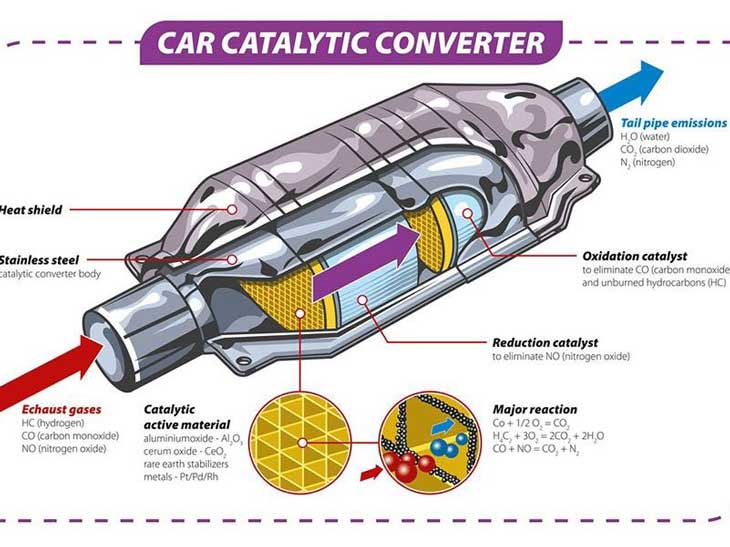
Catalytic converters are marvels of engineering, designed to transform harmful exhaust gases into less dangerous emissions.
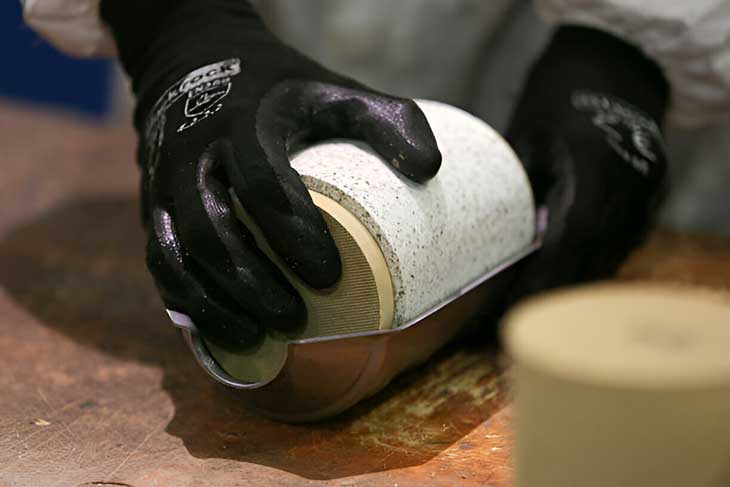
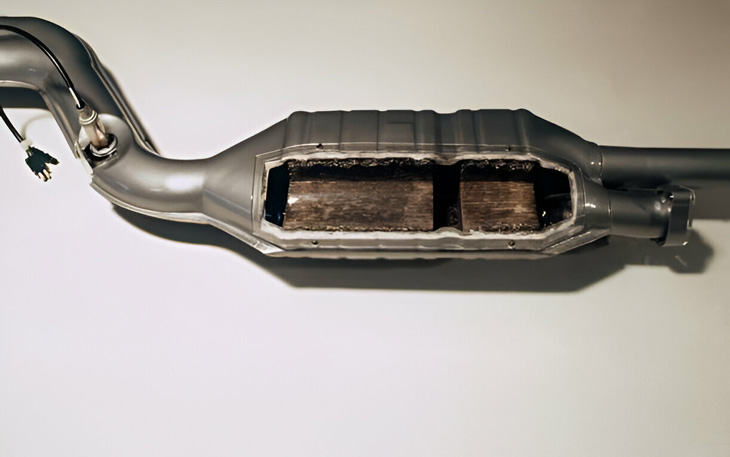
Inside their ceramic honeycomb structure lies a coating of platinum, palladium, and rhodium, which serve as catalysts for critical chemical reactions.
How It Works:
- As exhaust gases pass through, these metals initiate reactions that convert carbon monoxide into carbon dioxide, hydrocarbons into water, and nitrogen oxides into nitrogen gas.
- The result is cleaner air and reduced environmental harm.
Why These Metals?
- Platinum: Functions in both oxidation and reduction, making it versatile and effective.
- Palladium: Efficient in breaking down hydrocarbons and carbon monoxide.
- Rhodium: Specialized in neutralizing nitrogen oxides.
Over the years, these metals replaced gold, once a part of early catalytic converters. Their superior performance and cost-effectiveness made them the industry standard.
The science behind catalytic converters isn’t just a feat of chemistry—it’s a daily guardian of air quality.
Why Catalytic Converters Are Targeted by Thieves
Catalytic converters are valuable not only for their function but also for the precious metals they contain. Thieves are acutely aware of their worth, making these components a lucrative target.
- Economic Value:
- Rhodium: Valued at over $14,000 per ounce.
- Palladium: Fetches approximately $2,200 per ounce.
- Platinum: Holds a steady price of around $900 per ounce.
- High Demand:
These metals are essential for industries beyond automotive, including electronics, renewable energy, and even medical devices. - Ease of Access:
A catalytic converter’s location beneath the vehicle makes it relatively easy to remove. With basic tools, a thief can steal one in minutes. - Popular Targets:
Hybrid vehicles like the Toyota Prius, older SUVs, and trucks are especially vulnerable due to their high metal content and easy accessibility.
For car owners, the financial burden of replacing a stolen catalytic converter can be significant, often costing $1,000 to $3,000 or more.
The User’s Guide to Protecting Your Catalytic Converter
Preventing catalytic converter theft is possible with a combination of proactive steps and protective measures.
- Park in Secure Locations:
- Use well-lit areas with heavy foot traffic or secure your vehicle in a garage.
- Parking close to walls or curbs can limit access to the underside of your car.
- Install Anti-Theft Devices:
- Catalytic Converter Shields or Locks: These physical barriers make theft more difficult and time-consuming.
- Vibration Sensors: Modern alarm systems can detect unusual movement, triggering an alert if someone tampers with your vehicle.
- Mark Your Converter:
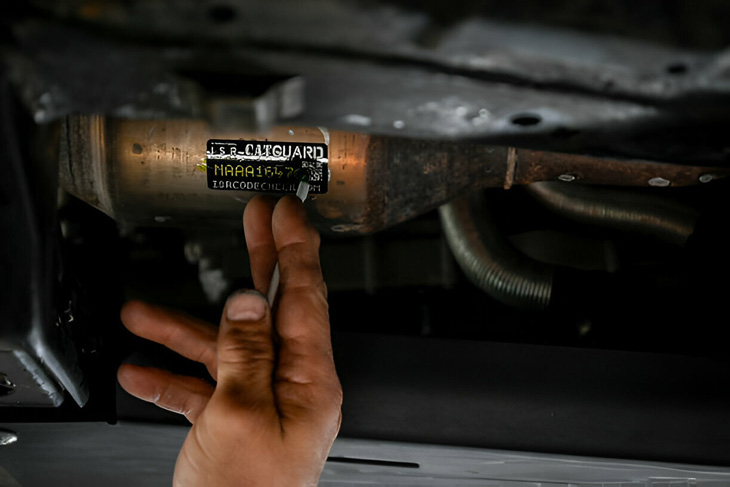
- Etch your VIN or license plate number onto the converter. This simple step deters thieves and makes stolen converters harder to sell.
- Some repair shops and law enforcement agencies offer this service for free or at low cost.
- Check Your Insurance Policy:
- Ensure your comprehensive coverage includes catalytic converter theft. This can significantly reduce the financial burden of replacement.
- Community Awareness:
- Collaborate with neighbors to monitor suspicious activity.
- Advocate for local regulations requiring recyclers to verify ownership before purchasing used converters.
By implementing these strategies, car owners can significantly reduce the risk of catalytic converter theft and protect their vehicles from unnecessary costs.
A Closer Look at the Economics of Precious Metals
The metals inside your catalytic converter are rare and highly sought after. Their value extends far beyond the automotive industry.
- Why So Valuable?
- Rarity: Platinum, palladium, and rhodium are mined in limited quantities, primarily in South Africa and Russia.
- Industrial Uses: These metals are used in everything from electronics and renewable energy technologies to medical devices and fine jewelry.
- Recycling and Sustainability:
- Recycling old catalytic converters is a vital part of the supply chain. Extracted metals are reused in new products, reducing the need for additional mining and its associated environmental impact.
- For car owners, recycling a used catalytic converter can also offer financial benefits, as certified recyclers often pay a premium for these valuable materials.
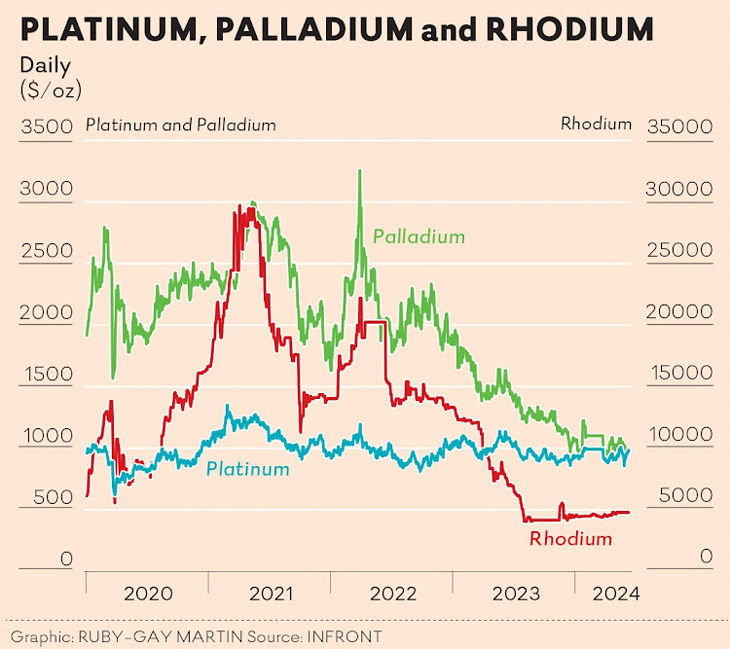
Understanding the economic importance of these metals highlights the broader implications of catalytic converter theft, not just for individuals but for industries and the environment.
Conclusion
Catalytic converters are more than car parts; they’re key players in reducing emissions and preserving air quality.
Their unique combination of engineering and rare materials makes them both indispensable and vulnerable.
For car owners, taking steps to protect this valuable component is about more than preventing theft—it’s about safeguarding an investment and contributing to a sustainable future.
By implementing practical measures and understanding the worth of what’s under your car, you’re taking control of the situation.
In a world where catalytic converter theft is on the rise, being proactive ensures you’re not just another victim. Instead, you’re a responsible owner, protecting both your property and the planet.