
Owning a car is a love story. You rely on it to get you through thick and thin, yet sometimes, without realizing it, you’re the one shortening its lifespan.
The bad news? You could already be guilty of these habits. The good news? It’s never too late to change. Let’s get into it.
9 Bad Driving Habits Killing Manual Cars
Resting Your Hand on the Gearstick
Your driving instructor always said to keep both hands on the wheel. Turns out, they were onto something.
Resting your hand on the gearstick may feel casual, but here’s the kicker: the gearstick is connected to a selector fork.
This delicate mechanism wasn’t designed to bear the weight of your hand. Over time, this habit wears down the synchronizers and bushings, leading to expensive transmission repairs.
Solution? Treat the gearstick like your ex at a party—touch it only when absolutely necessary.

Keeping Pressure on the Brake Pedal While Driving Downhill
Riding the brakes downhill feels safe, right? Wrong. It’s one of the quickest ways to turn your brake pads and rotors into scrap metal.
Instead of overloading your brakes, shift into a lower gear and let engine braking do the heavy lifting.
The best part? You’ll save money and avoid the terrifying experience of brake fade when you need them most.

Staying on the Clutch While Driving Uphill
We get it—hill starts can be tricky. But riding the clutch uphill is like walking around in wet socks: uncomfortable and damaging in the long run.
Holding the clutch partially engaged wears out the clutch plate and throwout bearing, leading to a premature (and expensive) replacement.
The fix? Use the handbrake to hold your position or let the automatic brake hold system do the job for you. Your clutch deserves a break.
Neglecting Warning Lights
Your dashboard is like a doctor for your car—it’s always trying to tell you something.
Ignoring critical warning lights, such as low oil pressure or high engine temperature, can turn a minor issue into a catastrophic failure.
Sure, the washer fluid warning can wait, but if your car’s computer is screaming about the engine, listen up.
Treat warning lights as a priority list. Red is urgent; yellow means you have time, but don’t push your luck.
Revving the Engine Before It’s Warm
Revving a cold engine might make you feel like a racecar driver, but here’s the reality: it’s a fast track to engine damage.
Cold oil doesn’t circulate as efficiently, leaving critical components unprotected.
Instead, let your car idle for 10–30 seconds before driving off. Your engine will thank you by staying healthy longer.
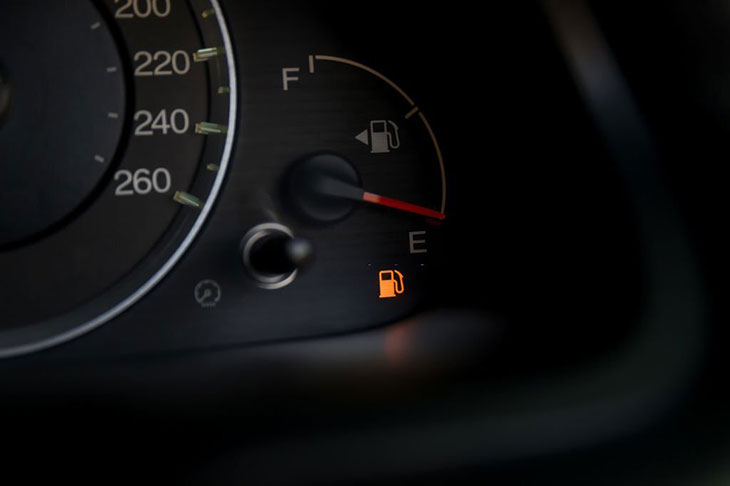
Keeping the Tank Almost Empty
Think of fuel as your car’s lifeblood. Keeping the tank near empty does more than risk stranding you—it puts extra strain on the fuel pump, which relies on fuel for cooling.
Over time, a hot, overworked pump will fail, leaving you with a repair bill that stings.
The easy fix? Keep your tank at least a quarter full. Consider it an investment in your car’s longevity.
Overloading Your Car
We’ve all been there—loading up the car for a move or a family road trip. But constantly overloading your vehicle is like carrying a backpack full of bricks every day.
It wears down the brakes, suspension, and drivetrain, leading to premature failure.
Check your owner’s manual for your car’s maximum load weight and stick to it. Lightening the load keeps your car nimble and saves you on repair costs.
Neglecting to Use the Parking Brake
Relying solely on your transmission to hold your car in place is like using a single chopstick to eat soup—it’s inefficient and bound to fail.
Failing to engage the parking brake forces the parking pawl to work overtime, and when it breaks, you’ll regret it.
Engage the parking brake every time you park, even on flat ground. It’s a simple habit that can save you from costly repairs.
Delaying Regular Maintenance
Skipping regular maintenance is the automotive equivalent of never seeing a dentist. Sure, you save time and money upfront, but the long-term costs are brutal.
Minor issues like worn-out belts or low fluid levels can escalate into expensive repairs.
Stick to your car’s maintenance schedule like it’s a doctor’s prescription. A little preventative care goes a long way.
Practical Tips for Breaking Bad Driving Habits
Bad habits are hard to shake, but with the right approach, even seasoned drivers can change their ways. Here’s a detailed guide to adopting better driving practices and keeping your car in peak condition.
1. Identify One Habit to Focus on Correcting This Week
Trying to fix everything at once is overwhelming and ineffective. Instead, pick one bad habit that you know you’re guilty of—like riding the clutch uphill or resting your hand on the gearstick—and focus on breaking it.
- Step-by-Step Approach:
- Keep a mental note (or jot down) every time you catch yourself repeating the habit during the week.
- Actively remind yourself of the proper alternative behavior, such as using the handbrake instead of the clutch on inclines.
- Celebrate small wins, like completing a drive without falling into the old habit.
By tackling one habit at a time, you’ll build confidence and make lasting changes without feeling overwhelmed.
2. Review Your Owner’s Manual
Your car’s manual is more than a thick book collecting dust in the glovebox—it’s a goldmine of tailored advice for maintaining your specific vehicle.
- How It Helps:
- Learn the recommended maintenance schedule for oil changes, brake checks, and other essentials.
- Understand the manufacturer’s guidelines for load limits, fuel types, and transmission care.
- Discover features you might not be using, like an automatic brake hold system, which can prevent clutch damage on steep inclines.
Spending 30 minutes with your manual can save you hours at the mechanic and hundreds of dollars in repairs.
3. Use Reminders to Build Better Habits
Breaking bad habits often starts with small, consistent reminders. Visual or physical cues can nudge you toward the right behavior until it becomes second nature.
- Practical Examples:
- Place a sticky note on your dashboard: “Use the parking brake!” or “Hands off the gearstick!”
- Set up alerts on your phone to check fuel levels every few days, ensuring you don’t run your tank too low.
- Use a checklist before starting your car: parking brake engaged, seatbelt fastened, no unnecessary weight in the trunk.
Over time, these reminders will fade because your new habits will feel automatic.
4. Educate Yourself on Car Maintenance Basics
The more you understand how your car works, the easier it is to treat it with care. Even learning simple maintenance tasks can prevent bad habits from creeping in.
- Skills Worth Learning:
- Engine Warm-Up: Know why it’s essential to idle briefly before driving, especially in cold weather.
- Clutch and Gear Use: Understand how overusing the clutch or improper shifting can damage the transmission.
- Braking Techniques: Master engine braking on steep declines to reduce pressure on your brakes.
Take advantage of online tutorials, local workshops, or even advice from your mechanic to deepen your knowledge.
5. Hold Yourself Accountable
Accountability is key to making meaningful changes. Share your goals with a friend, family member, or even a driving buddy who can help keep you on track.
- Ways to Stay Accountable:
- Create a checklist of habits you want to break and track your progress weekly.
- Have a passenger occasionally observe your driving and provide feedback.
- Set reminders to check in with yourself: “Did I use the parking brake today?” or “Did I avoid riding the clutch?”
Accountability doesn’t mean beating yourself up over mistakes—it’s about learning and improving.
6. Regularly Inspect and Maintain Your Vehicle
Good habits start with a well-maintained car. Scheduling regular maintenance not only keeps your car in top shape but also serves as a reset point to evaluate your driving practices.
- What to Check:
- Fuel levels: Avoid letting the tank dip too low.
- Brake condition: Replace pads before they’re dangerously worn.
- Transmission health: Get it checked if you’ve been guilty of bad habits like resting on the gearstick.
Keeping up with maintenance ensures that any lingering effects of bad habits don’t snowball into major issues.
7. Practice Patience and Persistence
Change doesn’t happen overnight. It’s easy to revert to old habits, especially when you’re stressed, tired, or in a rush. Stay patient with yourself and view each day as a chance to improve.
- Motivation Tips:
- Remind yourself of the financial savings: fewer repairs and better fuel efficiency.
- Visualize your car lasting longer and staying in better condition.
- Celebrate progress—whether it’s a week without riding the clutch or finally keeping your tank at half-full.
Small victories add up to big changes, so don’t sweat the occasional slip-up.
Conclusion
Bad driving habits don’t just wear out your car—they chip away at your peace of mind. By making small changes today, you can save thousands of dollars and keep your ride running smoothly for years to come.
So, what’s the first bad habit you’ll tackle? Your car’s future depends on it.