
It all starts with a small mistake: topping off the coolant reservoir just a bit too much. A simple act done in good faith, meant to keep the engine in peak condition, but it could lead to serious problems.
The coolant reservoir is a critical part of your car’s cooling system, designed to maintain optimal engine temperature.
Overfilling it might seem harmless at first glance, but the repercussions can ripple through your vehicle, affecting performance, safety, and even the environment.
This article delves into the overlooked consequences of an overfilled coolant reservoir tank, showing you why careful maintenance is essential.
Let’s break down the risks, the root causes, and the practical steps you can take to protect your car and your peace of mind.
The Role of Coolant in Your Car
Coolant isn’t just another liquid in your car; it’s the lifeline of your engine.
This fluid, often a mix of water and antifreeze, regulates engine temperature by absorbing heat and dissipating it through the radiator.
Without it, the engine would quickly overheat, causing potentially catastrophic damage.
The coolant reservoir tank plays an equally vital role. It’s where excess coolant expands to when the engine heats up.
Marked with minimum and maximum lines, it ensures that the system has enough coolant to operate efficiently while leaving room for expansion.
Misjudging this balance—such as overfilling the tank—throws the entire system out of sync, leading to the complications we’ll discuss next.
What Happens When You Overfill the Coolant Reservoir?
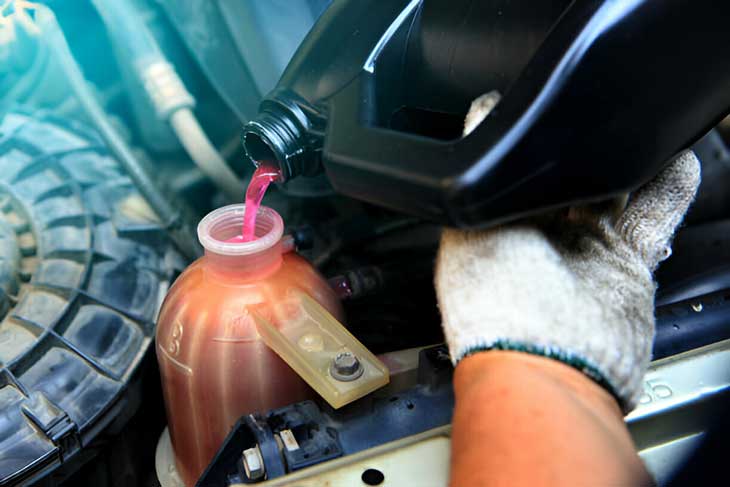
An overfilled coolant reservoir may seem like a minor issue, but it can trigger a chain reaction of problems:
Pressure Build-Up
When the reservoir is overfilled, there’s little room for the heated coolant to expand. As the temperature rises, the pressure inside the tank increases significantly.
To prevent damage, most tanks are equipped with an overflow hose or a pressure-relief cap.
However, if the cap or overflow mechanism fails, the excess pressure could damage seals, hoses, and even the radiator itself.
In extreme cases, hot coolant may escape violently, creating a safety hazard for anyone near the vehicle.
Electrical Damage
Excess coolant spilling from the reservoir can come into contact with electrical components in the engine bay.
Coolant is conductive, which means it can cause short circuits in sensitive wiring.
This might lead to intermittent electrical issues, such as dashboard warning lights turning on unexpectedly, or more serious problems like a complete failure of the ignition system.
Replacing damaged wiring can be both time-consuming and expensive, making prevention crucial.
Environmental and Safety Hazards
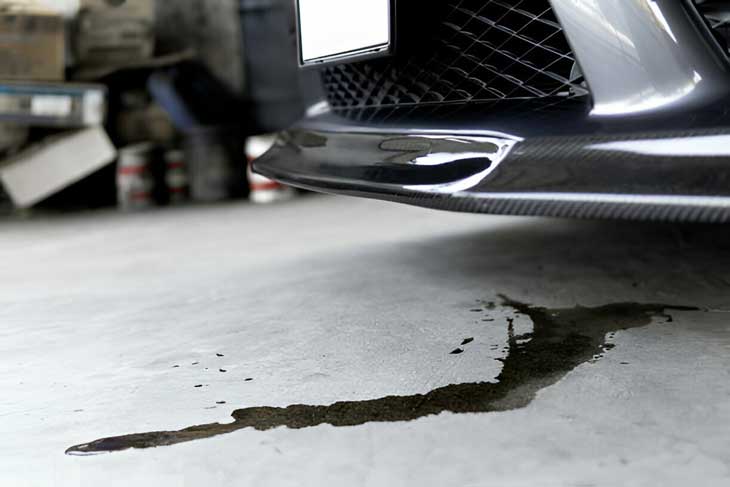
Coolant isn’t just harmful to your car; it’s also toxic to the environment. If it spills onto the ground, the bright-colored liquid often attracts animals, posing a significant risk to wildlife.
Many animals are drawn to the sweet smell of coolant, but ingestion can be fatal.
Beyond this, a spill can create slippery surfaces in driveways or roads, endangering drivers and pedestrians alike.
Engine Overheating
Paradoxically, overfilling the coolant reservoir can contribute to engine overheating. Excess pressure can cause hoses to rupture or seals to fail, leading to leaks that compromise the cooling system’s effectiveness.
With insufficient coolant circulating through the system, the engine temperature may rise uncontrollably, potentially resulting in warped cylinder heads or a seized engine.
Addressing these issues often requires extensive repairs or even a complete engine replacement.
Common Mistakes That Lead to Overfilling
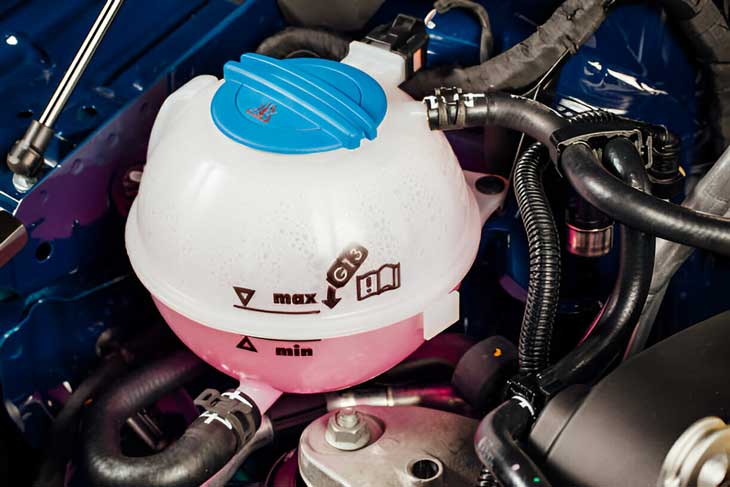
Misreading the Levels
The reservoir tank has clearly marked minimum and maximum lines for a reason.
Overlooking these marks or assuming that filling the tank to the very top is beneficial can lead to overfilling.
It’s essential to check the levels on a flat surface and under proper lighting to avoid misjudgment.
Topping Off While the Engine is Hot
Adding coolant when the engine is hot is one of the most frequent mistakes drivers make. As the coolant heats up, it expands, giving a false impression of a low level.
Filling the tank under these conditions often leads to overflow once the engine cools and the coolant contracts.
Using the Wrong Coolant Mixture
Using an incorrect coolant-to-water ratio or topping up with plain water instead of the recommended mixture can alter the system’s dynamics.
This increases the likelihood of pressure imbalances and potential overheating.
Ignoring the Manual
Each vehicle has specific requirements for coolant type and quantity.
Failing to consult the owner’s manual or using generic guidelines can result in errors that compromise the system’s efficiency and safety.
Preventive Measures and Solutions
Taking preventive action not only avoids the risks of overfilling but also prolongs the lifespan of your vehicle’s cooling system. Here are detailed solutions:
1. Regularly Check Coolant Levels
- Inspect the coolant reservoir at least once a month or before long trips.
- Ensure the fluid is between the minimum and maximum lines. Use a flashlight for better visibility if needed.
2. Always Cool the Engine First
- Wait until the engine has fully cooled before opening the reservoir cap. A hot engine can create pressure that gives a misleading reading of the coolant level.
- Opening the cap while the engine is hot can also release steam or hot coolant, posing a burn risk.
3. Use the Right Coolant
- Consult the vehicle’s manual to determine the correct type of coolant and the recommended antifreeze-to-water ratio.
- Avoid mixing different coolant types, as this can cause chemical reactions that reduce the fluid’s effectiveness.
4. How to Fix an Overfilled Reservoir
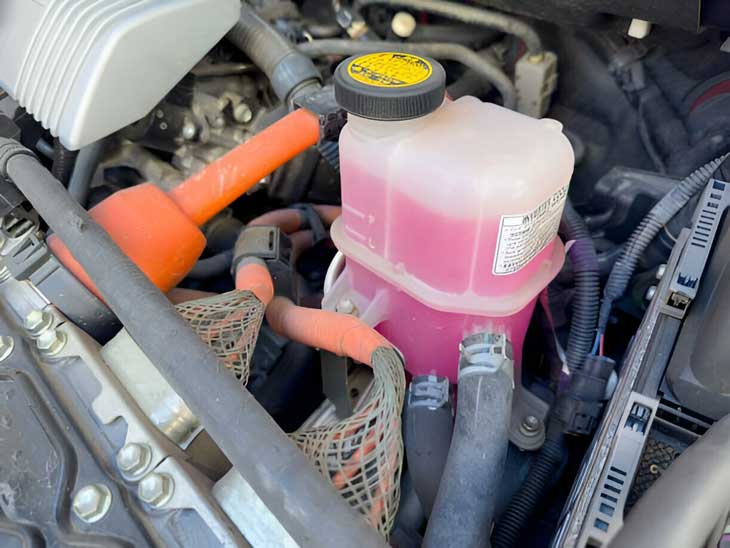
If you’ve already overfilled the reservoir, follow these steps to correct the issue:
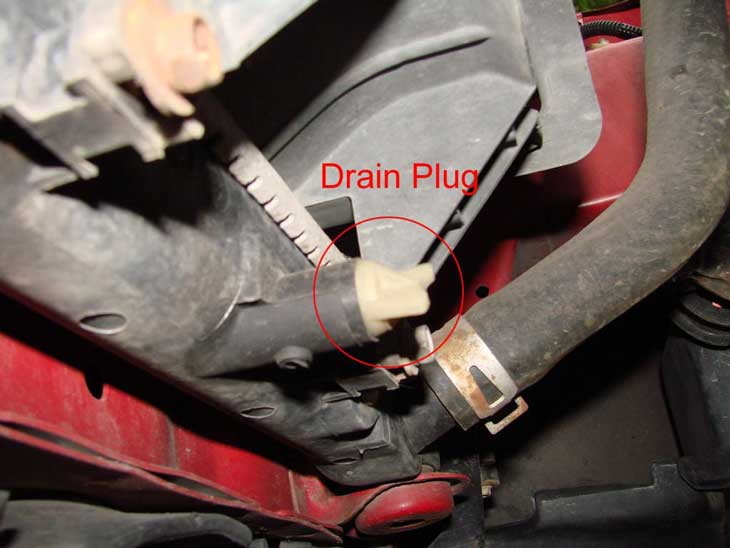
- Locate the Drain Plug: Most reservoirs have a drain plug at the bottom. Refer to your manual for the exact location.
2. Position a Container: Place a container under the plug to catch the excess fluid.
3. Slowly Release Coolant: Loosen the drain plug gradually and allow the excess coolant to flow out. Monitor the level closely to avoid over-draining.
4. Dispose of Coolant Properly: Used coolant is toxic and must be disposed of at a designated recycling center. Never pour it down the drain.
5. Schedule Professional Inspections
- During routine maintenance, ask your mechanic to inspect the coolant system for leaks or signs of wear.
- Ensure that the radiator cap and overflow mechanisms are functioning correctly.
By implementing these preventive measures, you can avoid unnecessary damage and keep your car running smoothly.
Real-Life Lessons from Drivers
Drivers who’ve dealt with overfilled coolant reservoirs often share cautionary tales. One driver recalls the frustration of an electrical failure caused by spilled coolant, leaving them stranded and facing a hefty repair bill.
Another recounts how a seemingly minor overflow damaged a radiator hose, leading to engine overheating on a busy highway.
Others emphasize the inconvenience of discovering coolant spills in their driveway—a mess that could have been avoided with proper attention.
These stories underline how a simple misstep can escalate into a costly and stressful situation, reinforcing the importance of proactive maintenance.
Conclusion
Keeping your car in optimal condition doesn’t require mechanical expertise—just a bit of care and attention to detail.
Proper coolant levels play a critical role in ensuring your car runs smoothly, safely, and efficiently.
Overfilling the reservoir might seem insignificant, but the risks it poses can snowball into significant challenges.
By regularly checking coolant levels, adhering to your car’s manual, and addressing any issues promptly, you can prevent unnecessary damage and enjoy a hassle-free driving experience.
Small, consistent efforts today can save you time, money, and frustration down the road.
Take a moment to check your coolant levels, and keep your car ready for the journeys ahead.