
We all take our tires for granted. They’re the silent warriors of our cars, enduring endless miles of asphalt, potholes, and surprise curbs.
But when something goes wrong—like those mysterious bald spots on the inside edge—it’s a wake-up call.
Inside tire wear is more than just an inconvenience; it’s a sign that your car is waving a red flag, begging for some attention.
If you’ve noticed this sneaky tire issue, you’re not alone. It’s a common problem, and like most car woes, it comes with a mix of causes, consequences, and fixes.
So buckle up, because we’re about to unravel the mystery of why your tires are secretly sabotaging themselves.

Why Are Your Tires Wearing on the Inside?
When it comes to tire wear, there’s no such thing as a “simple” explanation. But if you’re seeing those telltale bald patches on the inside, chances are one of the following culprits is to blame.
Camber Problems: The Tilt that Kills
Camber might sound like some fancy engineering term, but it’s really just the angle at which your tires meet the road.
Ideally, they should stand upright, with maximum tread touching the ground. But if the top of your tire tilts inward (negative camber), it puts extra stress on the inside edge.
Over time, this uneven contact eats away at your tire like a late-night snack, leaving you with a lopsided mess.
Worn Ball Joints: The Unsung Heroes
Ball joints are the underrated MVPs of your suspension system, connecting your car’s control arms to the steering knuckles.
When these joints wear out, they let your wheels jiggle and wobble like a toddler on a sugar high. The result? A misaligned tire that grinds itself down unevenly.
Bad Wheel Alignment: The Silent Killer
Hit a pothole recently? Or maybe that curb just jumped out of nowhere? Chances are, your wheel alignment got knocked out of whack.
Misalignment forces your tires into unnatural angles, and guess what part bears the brunt of it? That’s right—the inside edge.
Broken Control Arm Bushings: When Stability Goes Out the Window
Control arm bushings are the shock absorbers of your suspension system. When they fail, they allow excessive wheel movement, throwing off your tire’s contact with the road.
It’s like trying to run a marathon in flip-flops—not exactly efficient, and definitely not good for longevity.
Improper Tire Pressure: The Goldilocks Dilemma
Too much or too little pressure can wreak havoc on your tires. Overinflate them, and the middle tread wears out faster.
Underinflate them, and the edges—including the inside—take a beating. Getting it “just right” isn’t just for fairy tales; it’s essential for your tires.
Your tires don’t just wear themselves out for fun—there’s always a reason. And understanding these reasons is the first step to solving the problem.
But how can you tell if inside wear is an issue? Let’s dig into the signs.
Signs of Inside Tire Wear
Sometimes, the clues are as subtle as a whisper. Other times, they’re screaming at you from the pavement. Here’s how to tell if your tires are wearing on the inside.
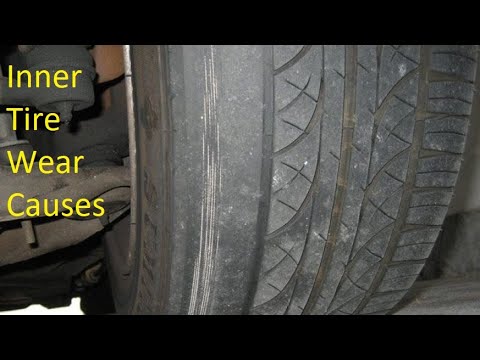
Visual Indicators: What Your Eyes Can Spot
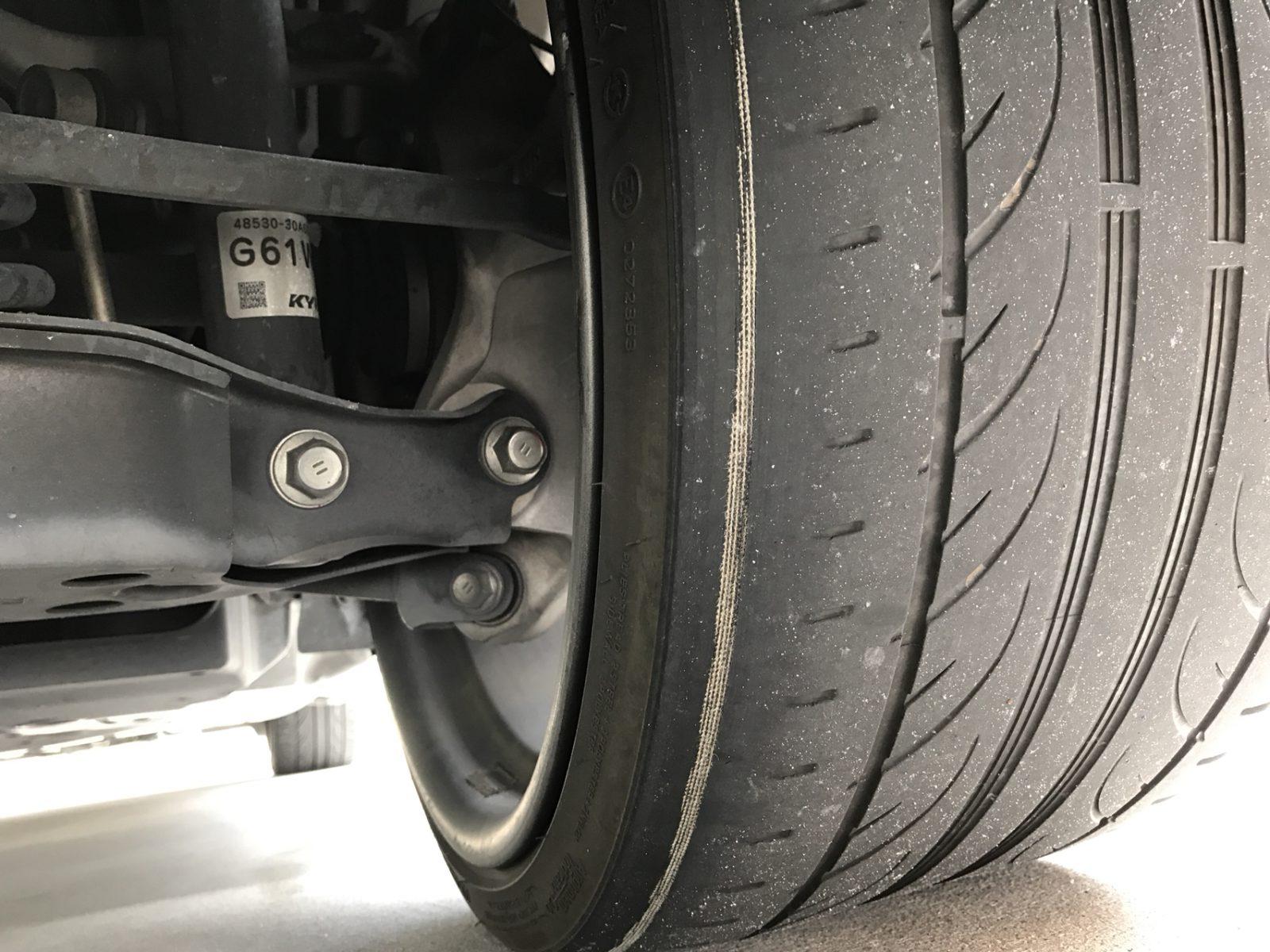
Take a good look at your tires. Is the inside edge noticeably smoother or more worn than the rest? Maybe it’s even down to the metal belts.
If you see cracks, bulges, or uneven tread depth, your tires are practically begging for help.
Driving Symptoms: What Your Car is Trying to Tell You
Does your car feel like it’s pulling to one side? Do you notice vibrations or wobbling at higher speeds? These are all symptoms of uneven tire wear, and they’re not just annoying—they’re dangerous.
Routine Inspection Tips: Staying Ahead of the Problem
Get in the habit of checking your tires regularly. Use a tread depth gauge to measure wear and rotate your tires frequently. Think of it as your tire’s version of a wellness check-up.
Spotting the problem early can save you from bigger headaches down the road. But prevention is always better than cure, right? So, let’s talk about how to stop inside tire wear before it starts.
How to Prevent Inner Tire Wear
Prevention is all about giving your tires the TLC they deserve. And trust us, it’s easier than dealing with a blowout on the highway.
Regular Wheel Alignment: The Foundation of Good Tires
Getting your wheels aligned isn’t just a one-and-done deal. It’s a maintenance ritual. Align your wheels to the manufacturer’s specifications, paying special attention to camber, caster, and toe settings. It’s like yoga for your tires—keeping them balanced and centered.
Inspect Suspension Components: Don’t Ignore the Underbelly
Your suspension system is a complex web of parts, and when one fails, it throws the whole system out of balance. Check your ball joints, control arms, and bushings for wear and tear. Replace them as needed to keep your tires—and your ride—steady.
Monitor Tire Pressure: The Easiest Fix You’re Not Doing
Checking tire pressure takes all of two minutes but can save you hundreds in repairs. Stick to the manufacturer’s recommendations and remember to adjust for load and temperature changes.
Tire Rotation and Replacement: Sharing the Load
Rotating your tires evens out wear patterns, extending their lifespan. And when it’s time to replace them, don’t wait. Worn tires are a safety hazard you can’t afford to ignore.
Drive Responsibly: It’s Not a Race
Aggressive cornering and slamming on the brakes might feel thrilling, but it’s murder on your tires. Smooth, steady driving is the key to long-lasting tread.
Prevention isn’t glamorous, but it’s the best way to keep your tires—and your wallet—happy. Of course, questions always pop up when dealing with car issues, so let’s tackle a few common concerns.
Common Questions and Concerns
Cars are complicated, and tires are no exception. Here are some answers to the most frequently asked questions about inside tire wear.
What if only the front or rear tires are affected?
It’s all about weight distribution and alignment. Front tires often wear faster due to steering and braking forces, while rear tires might suffer from suspension issues.
How often should I align my wheels?
Every 6,000–12,000 miles or after a significant impact. If you’re noticing uneven wear, get it checked sooner.
Can inside wear happen on brand-new tires?
Unfortunately, yes. If the alignment or suspension isn’t set up correctly, even fresh tires can fall victim.
Closing Thoughts
Inside tire wear isn’t just a minor inconvenience—it’s a warning sign that something’s off with your car.
By staying vigilant and proactive, you can extend your tires’ lifespan, improve your ride, and, most importantly, keep yourself safe.
So, the next time you check your tires, give them more than just a passing glance. They’re not just rubber circles—they’re your car’s only connection to the road. Treat them well, and they’ll return the favor.