
There’s a particular satisfaction in driving a car that feels like it’s gliding on air. For many, this is what a CVT transmission promises: smooth acceleration, fuel efficiency, and a futuristic sense of engineering.
But beneath its sleek reputation lies a complex mix of praises and complaints from drivers who’ve experienced it firsthand.
In the automotive world, the CVT (Continuously Variable Transmission) isn’t exactly new, but it has certainly stirred its share of conversations.
While manufacturers champion its efficiency and simplicity, users often tell a more nuanced story.
This article dives into the good, the bad, and the practical, with real experiences at the forefront. Let’s shift gears and get into it.
What is CVT and How Does It Work?
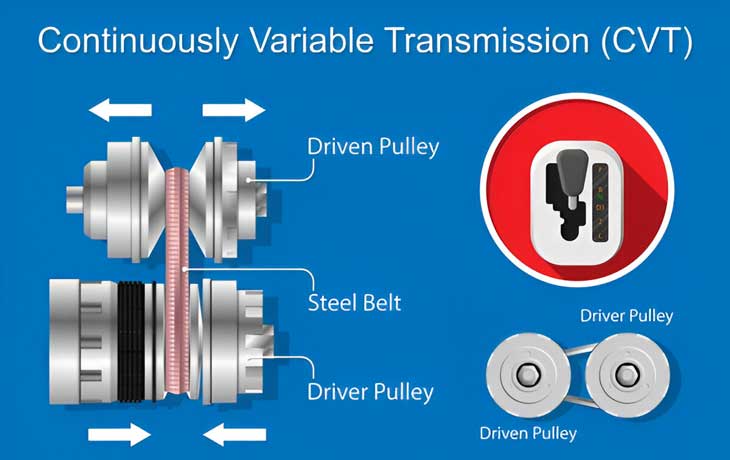
The CVT transmission is an engineering marvel.
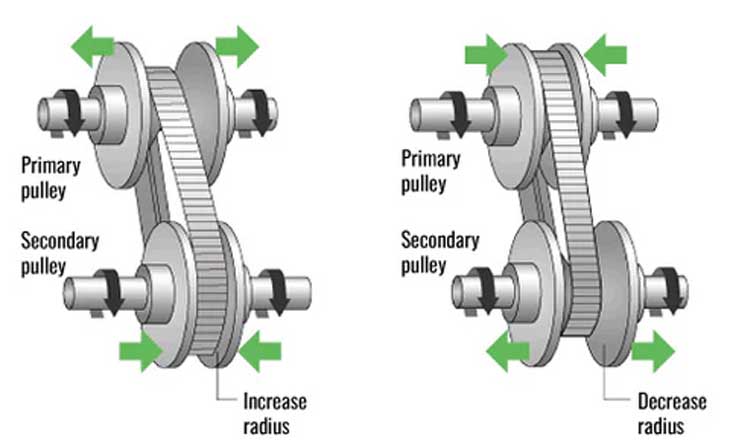
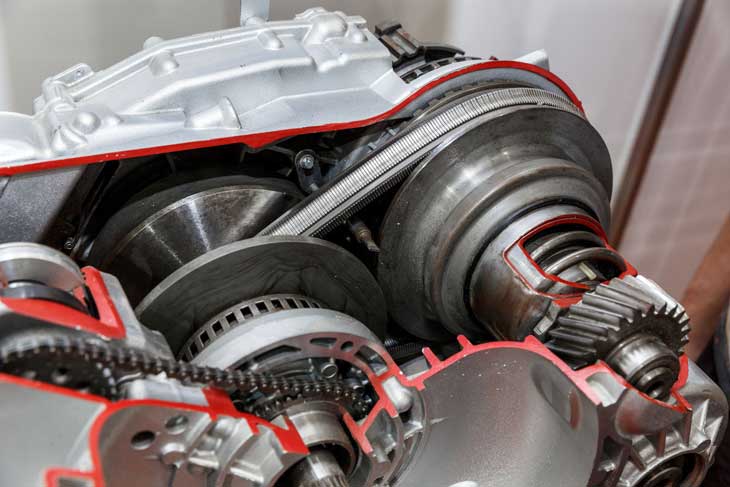
Unlike traditional automatic or manual gearboxes that rely on fixed gear ratios, the CVT uses a system of pulleys and a metal or rubber belt to deliver seamless transitions in power.
Its design prioritizes keeping the engine at the ideal RPM range, regardless of speed or load, which makes it a favorite among automakers aiming for maximum efficiency.
The benefits are apparent on paper. The lightweight structure allows for better fuel economy, while the elimination of “shift shock” makes acceleration feel like a gentle push rather than a jolt.
Whether merging onto a highway or cruising through city streets, the CVT is built for smoothness and practicality.
For the everyday driver, this means fewer interruptions and a quieter cabin.
However, like any cutting-edge technology, the simplicity of its operation hides a more complicated reality that drivers may encounter over time.
This leads us to the question: does simplicity always mean better?
Common Problems Reported by Users
1. The Persistent Noise Factor
While CVTs are celebrated for their smooth transitions, they have a reputation for producing a droning or whining sound under certain conditions.
Drivers report that this sound often occurs when accelerating hard or maintaining high RPMs.
It’s not just a matter of discomfort; this noise can feel at odds with the otherwise refined driving experience CVTs promise.
For those who value quiet cabins or frequently take long drives, this can quickly shift from minor annoyance to a significant detractor.
2. Overheating Under Pressure
CVTs are built for efficiency, not necessarily endurance under heavy loads. Drivers who tow trailers, live in hilly regions, or face stop-and-go traffic in high heat may encounter overheating issues.
The transmission fluid plays a crucial role here—its job is to keep components lubricated and cool.
When fluid levels drop or degrade, the CVT’s internal systems struggle to maintain optimal performance.
Signs of overheating often include dashboard warnings or erratic shifts, which signal the need to pull over immediately.
Long-term overheating can lead to premature wear or even total failure of the transmission system.
3. Throttle Lag and Load Capacity
Drivers accustomed to the responsiveness of traditional gearboxes often feel the CVT lacks immediacy.
When accelerating quickly or carrying a full load, the engine can feel strained, resulting in delayed responses or what some describe as a “rubber band” effect.
This lack of power under pressure may frustrate those who rely on performance as part of their driving experience.
4. Slipping and Sudden Vibrations
Unintended slipping is another common grievance. Drivers report moments where the engine revs unusually high without a corresponding increase in speed.
This not only disrupts the drive but can also lead to long-term wear on internal components.
In more severe cases, slipping transitions into full transmission failure, which is both costly and time-consuming to address.
5. The Price of Repairs
Perhaps the most significant downside is the repair cost. Unlike traditional transmissions, CVTs require specialized tools, expertise, and sometimes even manufacturer-specific parts for maintenance.
This makes them more expensive to repair, especially if the damage goes beyond regular wear and tear.
While some manufacturers have made strides to improve CVT durability, these issues remain a consideration for many drivers.
Fortunately, not all CVTs are created equal, and certain brands have proven more reliable over time.
Success Stories: Reliable CVT Brands and Models
For every critical review of a CVT, there are stories of drivers who’ve had years of hassle-free ownership. Among the standout names, Honda often rises to the top.
Their CVTs, found in models like the Civic and CR-V, consistently receive praise for reliability and performance.
Toyota, too, has shown its engineering prowess with models like the Corolla and Prius, balancing durability with efficiency.
Subaru, known for its all-wheel-drive systems, integrates CVTs into models like the Forester and Outback, where they shine in both reliability and fuel savings.
These brands demonstrate that with proper maintenance and thoughtful design, a CVT can deliver a rewarding driving experience.
The takeaway here is simple: not all CVTs are created equal. When choosing a car with a CVT, paying attention to brand reputation and user feedback is key.
Tips for Optimizing Your CVT Experience
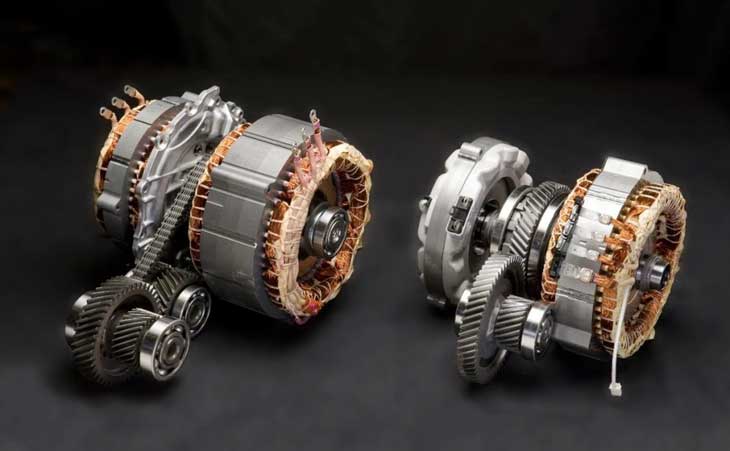
1. Regular Maintenance
Changing CVT fluid at manufacturer-recommended intervals is crucial. The fluid not only lubricates but also keeps the transmission cool, preventing common overheating issues.
Using the correct type of fluid specified by the manufacturer is non-negotiable.
2. Gentle Driving Habits
Avoid rapid accelerations and heavy towing. Treating the CVT gently ensures less strain on its components, improving its longevity.
3. Professional Repairs
If issues arise, always seek out certified mechanics with experience in CVT systems. Their expertise and access to specialized tools can make all the difference.
4. Warranty Considerations
When purchasing a car with a CVT, consider models that offer extended warranties or remanufactured units with longer coverage. This added layer of protection provides peace of mind for years to come.
By implementing these practices, you can significantly extend the lifespan of your CVT and enjoy a smoother ride for the long haul.
Conclusion
CVT transmissions are a tale of trade-offs. On one hand, they offer unmatched fuel efficiency and a seamless driving experience.
On the other, they come with quirks and potential pitfalls that require attention and care. For those who understand the technology and its maintenance needs, a CVT can be a reliable and rewarding choice.
As drivers, the road ahead is always uncertain, but with the right knowledge, we can navigate it more confidently.
Is a CVT the best fit for your journey? The answer lies in how you value the balance between innovation and practicality.