
Push-button start systems were designed to make driving simpler, smarter, and sleeker. And they do! No more fumbling with keys while juggling groceries or your morning coffee.
But for every dose of convenience, there’s a side of complexity—and maybe even a few headaches.
So, before you embrace the future of ignition, let’s dive into the lesser-known disadvantages of push-button start systems and how to navigate them like a pro.
What Is Push Button Start?
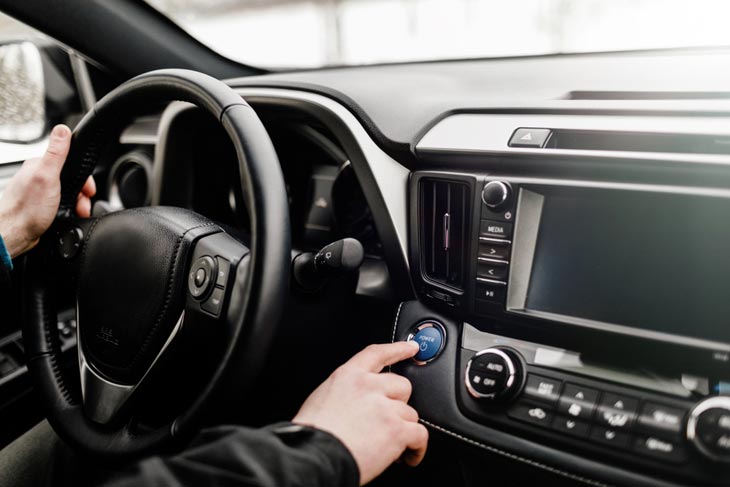
Imagine this: you stroll up to your car, the door unlocks with a gentle click, and a simple press of a button fires up the engine.
This is the promise of push-button start systems. They use antennas, transponders, and smart keys to replace traditional ignition keys with a seamless, hands-free experience.
For a while, it feels like magic. But as we’ll explore, even magic has its flaws—especially when it comes with a hefty price tag and the occasional glitch.
Now that we know the basics, let’s talk about what could go wrong.
Disadvantages of Push Button Start
A. The Cost of Convenience
Convenience always comes at a price, and push-button start systems are no exception. Smart keys aren’t just expensive to replace—they’re also prone to wear and tear.
Lose one, and you’re looking at a few hundred dollars to replace it. And if the system itself malfunctions? Add another zero to that bill.
Then there’s the dependency on the key fob’s battery. If it dies, you’re stranded. Sure, replacing the battery is cheap and easy, but it’s not exactly fun when you’re running late or parked in the middle of nowhere.
Modern convenience, meet modern problems.
B. Reliability Issues
Nothing makes you feel more helpless than sitting in your car, pressing the start button, and… nothing happens.
Sometimes the car doesn’t detect the key fob. Other times, it’s a glitch in the system. Either way, it’s infuriating.
Here’s the kicker: even turning the engine off can be a challenge. Some cars misread whether they’re in park, leaving the engine running until you figure out the problem.
A few minutes of idling might not seem like much, but it can lead to wasted fuel—and worse, a quick buildup of frustration.
When it comes to reliability, simplicity often wins. Unfortunately, push-button systems don’t always keep it simple.
C. Security Risks
If you thought your push-button car was theft-proof, think again. Skilled thieves are finding ways to hack keyless systems using relay attacks.
They intercept the signal from your key fob, even if it’s inside your house, and use it to unlock and start your car. It’s like something out of a spy movie—except it’s happening in real life.
The solution? Tools like Faraday pouches or signal-blocking cases can help, but they’re not foolproof. And if your car doesn’t have a manual override, you’re left hoping the hackers lose interest.
Sometimes, old-school keys start to look pretty appealing.
D. Environmental Hazards
One of the sneakiest issues with push-button systems is unintentional engine idling. These systems are so quiet and seamless that it’s easy to leave your car running without realizing it.
This is especially dangerous in enclosed spaces, where carbon monoxide can quickly accumulate and pose a serious threat.
Some car brands include audible alarms to alert you when the engine’s still on, but not all of them.
If you own a Chrysler or a Volvo, it’s up to you to remember to turn off the engine. Forgetting isn’t just bad for the environment—it could be life-threatening.
Even the smartest systems rely on human vigilance.
How to Address These Disadvantages
Now that we’ve painted a somewhat grim picture, let’s talk solutions. The good news is, most of these issues can be mitigated with a little effort and planning.
- Save Money:
- Regularly replace your key fob’s battery to avoid unexpected failures.
- Invest in an extended warranty to cover electronic components.
- Enhance Security:
- Use a Faraday pouch to block the signal from your key fob.
- Park in well-lit, secure areas to deter potential thieves.
- Boost Reliability:
- Test your push-button system regularly and address glitches early.
- Learn your car’s backup start methods—many vehicles have hidden slots or manual overrides.
- Stay Environmentally Aware:
- Make it a habit to double-check that your engine is off before leaving the car.
- Familiarize yourself with your car’s alarm or notification system to avoid accidental idling.
Even the most high-tech systems benefit from a little low-tech mindfulness.
Common Concerns and Misconceptions
- “Are push-button systems actually safer?”
- Yes, they eliminate traditional hot-wiring. But relay attacks are a growing concern.
- “What if my key fob battery dies?”
- Most cars have backup solutions, like pressing the button with the key or inserting it into a hidden slot. Check your manual.
- “Why do some cars lack idling alarms?”
- It varies by brand. Luxury models often prioritize aesthetics over audible reminders, so always double-check before leaving your car.
Technology isn’t perfect, but understanding its quirks can save you a lot of headaches.
Conclusion
Push-button start systems are undeniably cool. They make driving feel effortless and futuristic.
But like all innovations, they come with trade-offs. From security vulnerabilities to maintenance costs, it’s important to weigh the pros and cons before making the leap.
For those who already own a push-button car, the key to a stress-free experience is preparation.
Learn how your system works, stay proactive about maintenance, and take steps to protect your car from theft.
Because at the end of the day, even the most advanced technology is only as good as the driver using it.