
We’ve all been there: you’re cruising down the highway or stuck in bumper-to-bumper traffic, and suddenly, your leg starts aching.
It’s uncomfortable, distracting, and sometimes downright painful. But here’s the thing—leg pain while driving isn’t just an annoying side effect of long commutes.
It’s a sign that something in your setup (or habits) might need adjusting. Let’s break it down and get to the root of the problem, one cramp at a time.

Understanding the Causes of Leg Pain While Driving
Prolonged Sitting in the Same Position
Driving for hours in a fixed position can wreak havoc on your muscles and circulation. Your thighs, calves, and even your lower back bear the brunt of the inactivity, leading to stiffness and cramps.
Why does this happen? When you sit for too long, blood flow to your legs decreases, and your muscles don’t get the oxygen they need to stay relaxed. The result? A dull ache or sharp pain that makes even short drives feel like marathons.
Wallet in the Back Pocket
Yes, that seemingly harmless wallet in your back pocket can be a major culprit. It tilts your pelvis, misaligns your spine, and creates uneven pressure on your buttocks and thighs. Over time, this small imbalance can lead to significant discomfort, especially during long drives.
Take it from drivers who’ve learned the hard way: ditch the wallet before you hit the road. Your posture (and your sciatic nerve) will thank you.
Uncomfortable Seat Design
Not all car seats are created equal. Some lack the proper lumbar support or cushioning to keep your back and legs in a comfortable position. If your seat height or angle forces your legs into unnatural positions, it’s only a matter of time before you start feeling the effects.
Check how your thighs rest on the seat. If they’re hanging without support or angled awkwardly, your seat might need a serious adjustment—or an upgrade.
Incorrect Backrest Position
The angle of your backrest isn’t just about comfort; it directly affects your posture and leg strain. A backrest that’s too reclined forces your legs to stretch excessively, while one that’s too upright increases tension in your thighs and lower back. Either way, it’s a recipe for pain.
Foot Position on Pedals
Let’s not forget your feet. If you’re constantly pressing the brake, clutch, or accelerator without proper support, you’re putting unnecessary strain on your leg muscles. Crawling through traffic or holding down the clutch for too long can amplify this issue.

How to Prevent Leg Pain While Driving
Experiencing leg pain while driving isn’t just uncomfortable—it can be a sign that your driving habits or setup need a serious upgrade. The good news is that a few adjustments can make a significant difference. Here’s a detailed look at how to prevent leg pain and enjoy a more comfortable driving experience.
Adjust Your Seat and Backrest
Your car seat is the foundation of your posture while driving, and small tweaks can lead to major improvements.
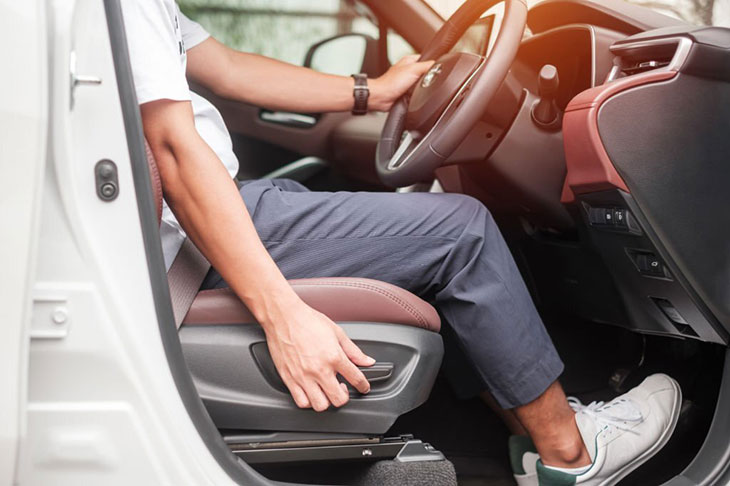
- Seat Height: Adjust the seat height so that your knees are slightly bent when your feet are on the pedals. Your thighs should rest comfortably on the seat, with your hips slightly higher than your knees. This helps maintain proper blood circulation and reduces strain on your lower body.
- Seat Distance: Move the seat forward or backward so you can press the pedals fully without overstretching or cramping your legs. Your arms should also reach the steering wheel comfortably, with a slight bend at the elbows.
- Backrest Angle: Set the backrest at a slight recline (approximately 100–110 degrees). This supports the natural curve of your spine and prevents excessive pressure on your lower back and thighs.
- Dead Pedal Support: Use the dead pedal (the flat footrest to the left of the clutch or brake pedal) to support your left foot when it’s not in use. This keeps your legs relaxed during extended periods of driving.
Remove Wallets or Items from Pockets
One of the most overlooked causes of discomfort while driving is a wallet or phone in your back pocket.
- Why It Matters: Sitting on a bulky object tilts your pelvis, misaligns your spine, and puts uneven pressure on your legs and buttocks. Over time, this can lead to nerve compression and pain.
- What to Do: Before getting into the car, empty your back pockets. Store your wallet, phone, or keys in a console, cup holder, or dedicated storage area in the car.
Take Regular Breaks
Driving for hours without a break can leave your legs stiff and sore. Incorporating rest stops into your trip is crucial for both comfort and safety.
- How Often: Stop every 1–2 hours, especially on long drives. Even a five-minute break can help restore circulation and prevent stiffness.
- Stretching Exercises:
- Calf Raises: Stand on your toes and slowly lower your heels back down to the ground. Repeat 10–15 times to improve blood flow in your legs.
- Hamstring Stretch: Extend one leg forward, keeping it straight, and lean slightly forward to stretch the back of your thigh.
- Hip Flexor Stretch: Step one foot forward into a lunge position, keeping your back leg straight, and hold for 15–20 seconds.
Wear Comfortable Footwear
Your choice of footwear has a direct impact on how your legs and feet feel while driving.
- Best Choices:
- Flat-soled shoes with good arch support.
- Lightweight, flexible footwear that allows natural foot movement.
- Avoid:
- High heels, which force your feet into unnatural positions and strain your calves.
- Flip-flops or sandals, which lack proper support and can slip off while driving.
- Pro Tip: Keep a pair of driving-specific shoes in your car, especially if you regularly wear formal or specialty footwear.
Use Cushions or Lumbar Support
If your car seat lacks sufficient padding or ergonomic support, adding a cushion or lumbar roll can make a big difference.
- Seat Cushions:
- Use a cushion with a slight incline to support your thighs and hips evenly.
- Memory foam cushions are a great choice for distributing pressure and improving comfort during long drives.
- Lumbar Rolls:
- Place a lumbar roll or rolled-up towel at the small of your back to maintain the natural curve of your spine.
- Look for adjustable lumbar supports if you’re frequently uncomfortable in your car seat.
Stay Hydrated
Dehydration is a sneaky culprit behind muscle cramps and stiffness. When you’re on the road, it’s easy to forget to drink water, but staying hydrated is crucial for preventing leg pain.
- How to Stay Hydrated:
- Keep a water bottle within reach and take small sips regularly during your drive.
- Avoid diuretics like caffeine and sugary drinks, which can contribute to dehydration.
- Signs of Dehydration:
- Muscle cramps, dry mouth, and fatigue are early indicators. If you notice these symptoms, it’s time to rehydrate.
Stretch Before and After Driving
Warming up your legs before getting behind the wheel and cooling them down after your drive can help reduce stiffness and prevent discomfort.
- Before Driving:
- Ankle Rolls: Sit down, lift one foot off the ground, and rotate your ankle in a circular motion. Repeat for the other foot.
- Quad Stretch: Stand on one leg, pull the opposite foot toward your buttocks, and hold for 15–20 seconds. Switch legs.
- After Driving:
- Toe Touches: Bend forward and reach for your toes to stretch your hamstrings and lower back.
- Leg Swings: Stand and swing one leg forward and backward in a controlled motion. Repeat for each leg.
Consider Medical Advice
If you’ve made all the adjustments and still experience persistent or severe leg pain, it’s time to consult a medical professional.
- When to Seek Help:
- Pain radiates down one leg (a sign of sciatica).
- Swelling or redness in the legs, which could indicate deep vein thrombosis (DVT).
- Chronic discomfort that interferes with your ability to drive safely.
- What to Expect:
- A doctor may recommend physical therapy, ergonomic aids, or exercises to address underlying issues.
When to Seek Professional Help
If your leg pain persists despite making these adjustments, it might be time to consult a professional.
Conditions like sciatica or deep vein thrombosis (DVT) can cause leg pain and require medical attention.
Don’t ignore persistent symptoms—your body is trying to tell you something important.
Conclusion
Leg pain while driving doesn’t have to be a fact of life. By understanding the causes—whether it’s your seat setup, your posture, or that bulky wallet—and making a few strategic adjustments, you can turn even the longest drives into a more comfortable experience.
So the next time you feel that familiar ache, remember: there’s a fix for that.
And if you’ve already found your own tricks for pain-free driving, share them in the comments! Let’s help every driver out there stay comfortable on the road.