
You probably wash your car when it’s filthy, vacuum the crumbs before a date, and maybe even throw in an air freshener once in a while.
But waxing? That’s next-level commitment. And here’s the kicker: waxing isn’t just about looking good; it’s about protecting your car from the relentless assault of sun, dirt, and weather.
Let’s dig into the nitty-gritty of car waxing, and by the end, you’ll know exactly how often to break out that wax.
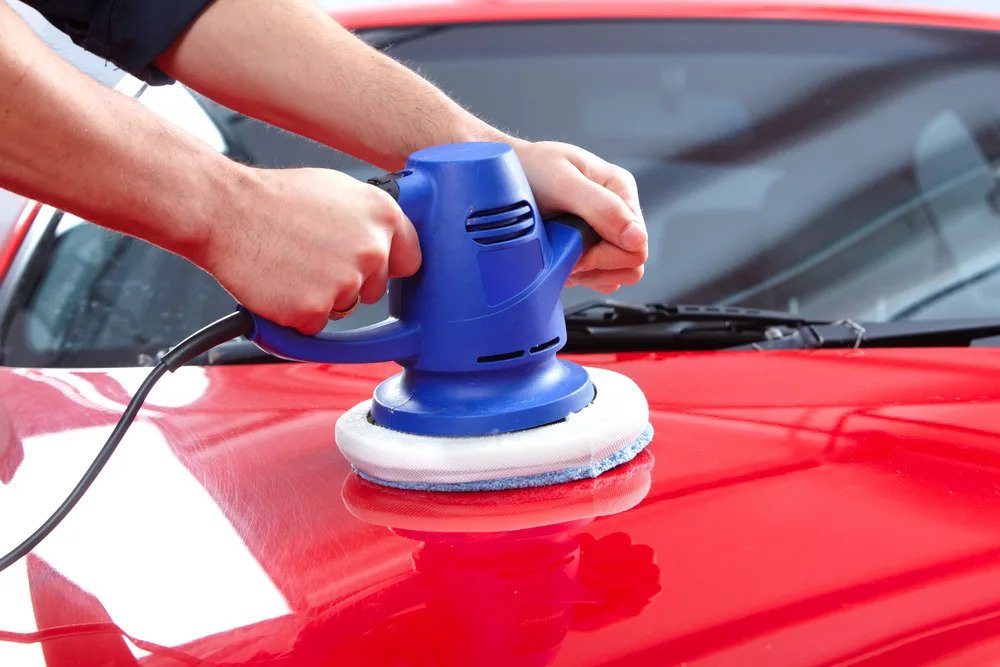
Why Waxing Your Car is a Must
Car paint looks tough, but it’s surprisingly fragile. Every time you wash your car, those innocent-looking brushes and sponges can create micro-scratches, chipping away at its shine.
And that’s before we even get to the sun baking your paint job or the rain leaving behind mineral stains.
Wax, however, is like the superhero cape your car didn’t know it needed.
When applied correctly, it forms a barrier that absorbs minor impacts, repels water, and reflects harmful UV rays. Think of it as sunscreen for your car—but cooler.
Then there’s the shine. Oh, that glorious, mirror-like finish! Whether you go for natural Carnauba wax (a favorite for that deep, rich glow) or synthetic options (lasting longer and thriving in tough climates), waxing doesn’t just protect—it transforms.
But waxing isn’t just for show-offs with sports cars. Regular waxing can save you from costly repaint jobs by preventing oxidation and corrosion.
Ignore it, and you’re looking at faded, patchy paint and no choice but to spend big bucks to restore your car’s original look. Which raises the question: how often is enough?
How Often Should You Wax Your Car?
When it comes to waxing your car, there isn’t a universal rule that applies to everyone. The frequency of waxing depends on several factors, from how you store your car to the type of wax you use.
Let’s break it down so you can create a waxing schedule tailored to your car’s needs.
1. Where Do You Park?
The environment your car lives in plays a massive role in how often you should wax it.
- Garage-Kept Cars: If your car spends most of its time in a garage, sheltered from rain, snow, and UV rays, you’re in luck. The paint is already protected from harsh elements, so you can get away with waxing only twice a year. That’s enough to maintain a protective barrier and keep it looking shiny.
- Outdoor Warriors: Cars parked outside face the full force of the elements—sunlight, bird droppings, acid rain, and dust. If this sounds like your situation, aim to wax your car every 3-4 months. This frequency ensures the paint stays protected from UV rays and environmental pollutants that can cause oxidation and fading.
2. What’s the Car’s Age?
The condition and age of your car’s paint also determine how often it needs waxing.
- New Cars: Freshly painted cars usually come with a factory-applied clear coat that offers some protection. For a new car, you can stretch the time between waxes to every 6 months. However, if you’re aiming for a showroom shine, waxing every 4 months won’t hurt.
- Older Cars: If your car has been on the road for a while, the paint is likely more exposed and prone to wear. To keep it looking its best, consider waxing every 2-3 months. This not only maintains the shine but also prevents further damage like oxidation or clear coat deterioration.
3. What Kind of Wax Do You Use?
Not all waxes are created equal, and the type you choose affects how often you’ll need to reapply.
- Carnauba Wax: Known for its rich, glossy finish, Carnauba wax is a favorite among car enthusiasts. However, its beauty comes with a trade-off: it wears off faster. Expect to reapply Carnauba wax every 4-6 weeks to maintain its protective qualities.
- Synthetic or Polymer Wax: Synthetic waxes are more durable and designed for longevity. They can last up to 6 months, making them ideal for those who want a “set it and forget it” approach.
- Ceramic-Based Waxes: The latest in car protection, ceramic-based waxes offer the best of both worlds: shine and durability. These can last up to 12 months, depending on wear and tear. They’re perfect for drivers who prioritize long-term protection over frequent touch-ups.
4. How to Know It’s Time to Wax
Not sure when to wax? Here are two simple tests to help you decide:
- The Touch Test: Run your hand gently across your car’s paint. If the surface feels rough or gritty instead of smooth and slick, the wax has likely worn off, and it’s time for a new application.
- The Water Test: Pour some water onto your car’s hood. If the water beads up and slides off, the wax is still doing its job. If the water pools or sticks to the surface, it’s a sign that the wax is no longer effective.
5. Seasonal Adjustments
Your waxing schedule may also need to change with the seasons:
- Summer: Intense UV rays can degrade wax more quickly. Increase waxing frequency to ensure your paint remains protected from sun damage.
- Winter: Road salt, snow, and freezing temperatures can wreak havoc on your car’s exterior. A fresh coat of wax before winter hits acts as a shield against these harsh conditions. Consider waxing every 2-3 months during colder months if your car faces heavy exposure.
By understanding these factors—where your car is parked, its age, the type of wax you use, and seasonal needs—you can develop a waxing routine that’s practical and effective.
But remember, waxing is only part of the equation.
Doing it at the right time and with the proper technique ensures your car looks its best while staying protected.
Can You Wax Your Car Too Much?
The short answer is yes—but only if you’re being careless. Waxing too frequently won’t harm your car if you’re doing it right, but there are a few caveats.
First, over-waxing is like wearing three jackets on a mild day—it’s unnecessary. Once your paint is adequately protected, adding more layers won’t make it any safer.
In fact, it’s a waste of time, effort, and product.
Second, excessive waxing can leave residue buildup, especially around emblems and trim.
This gunk isn’t dangerous, but it doesn’t exactly scream “pristine.” A little extra cleaning will fix it, but wouldn’t it be easier to avoid it in the first place?
So, can you wax too much? Sure. Should you? Nah. Instead, focus on smart, regular maintenance—and speaking of smart, let’s make sure you’re waxing like a pro.
Tips for Effective Waxing
Waxing isn’t complicated, but a few tips can make the difference between a flawless shine and a streaky mess:
- Prep Your Canvas:
- Wash your car thoroughly to remove dirt, grime, and old wax.
- Dry it completely. Water and wax don’t mix.
- Apply Thin Layers:
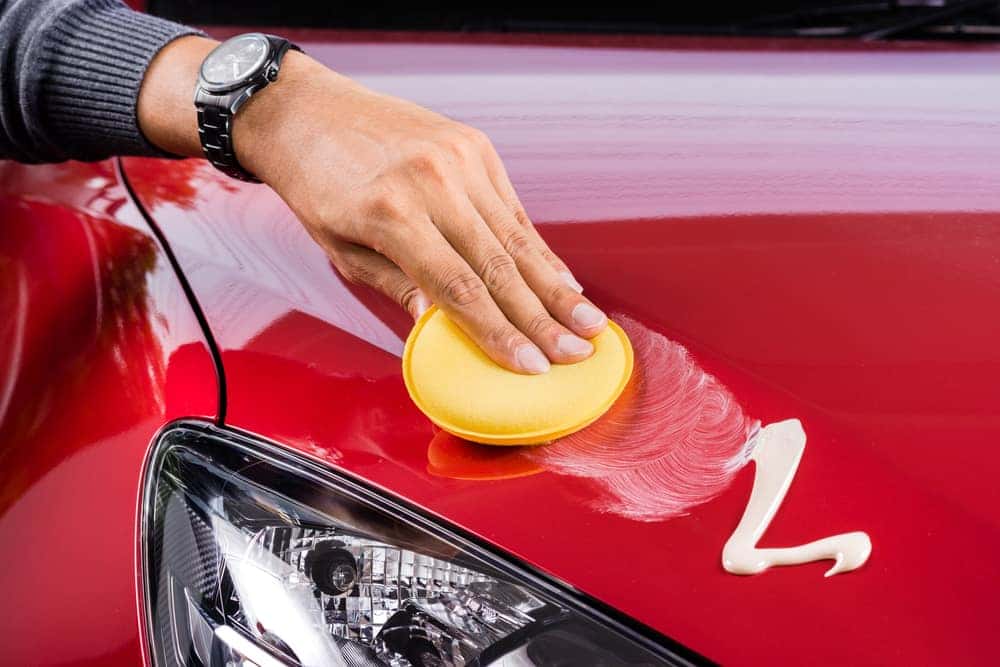
- A little wax goes a long way. Overloading your applicator pad doesn’t make your car shinier—it makes buffing a nightmare.
- Use circular motions for even coverage and avoid applying in direct sunlight.
- Buff to Perfection:
- Once the wax hazes over, buff it with a clean microfiber towel.
- Flip the towel frequently to avoid spreading residue.
- Focus on the Seasons:
- Wax more often in winter and summer when your car faces harsher conditions.
- Consider synthetic wax or ceramic coatings for extreme weather protection.
Remember, waxing isn’t a race—it’s a ritual. Enjoy the process, and your car will reward you with showroom-worthy looks.
But waxing is only one piece of the puzzle. To truly protect your car, you’ll need to think about the bigger picture.
Conclusion
Waxing your car isn’t just about aesthetics—it’s a commitment to protection and preservation.
By understanding your car’s needs, the environment it lives in, and the right techniques, you can keep your paint gleaming and your wallet happy.
So, the next time you’re tempted to skip the wax, remember this: a little effort now saves a lot of heartbreak (and money) later. Because every car deserves to shine, and you’re the person to make it happen.