
Spark plugs are the unsung heroes of your engine. They quietly ignite the fuel-air mixture, bringing your car to life every time you turn the key.
But like any hero, they can’t perform forever. Neglecting your spark plugs doesn’t just mean a dip in performance—it could mean costly repairs and a ruined day.
So, how often should you change them? Let’s dive into the electrifying world of spark plug maintenance.

Why Do Spark Plugs Wear Out?
Spark plugs work in the harshest environment your car has to offer—inside the combustion chamber.
With every spark, their electrodes are subjected to extreme heat, pressure, and the occasional splash of oil or fuel. Over time, even the toughest materials wear down.
- Electrode Erosion: The metal rod that creates the spark gradually wears out, leading to weaker sparks and inefficient combustion.
- Driving Habits: Hard acceleration, high-speed driving, or frequent stop-and-go traffic can accelerate wear.
- Fuel Quality: Poor-quality or improperly mixed fuel leaves carbon deposits that coat the plugs, reducing their effectiveness.
Every spark plug has a breaking point. Knowing why they wear out is the first step in keeping them—and your engine—running smoothly.
Problems Caused by Worn-Out Spark Plugs
Bad spark plugs are like bad Wi-Fi—frustrating, inconsistent, and they mess up everything. Here’s what happens when your plugs aren’t pulling their weight:
- Engine Misfires: A rough idle, jerky acceleration, or sluggish starts can signal worn plugs.
- Reduced Fuel Efficiency: Inefficient combustion burns more fuel than necessary, draining your tank faster than usual.
- Increased Emissions: Worn plugs lead to incomplete combustion, increasing harmful exhaust emissions.
- Costly Repairs: A broken or seized spark plug can damage the cylinder head, turning a simple replacement into a mechanic’s payday.
Ignoring these issues doesn’t save you money—it’s like ignoring a leaky faucet until your water bill triples.
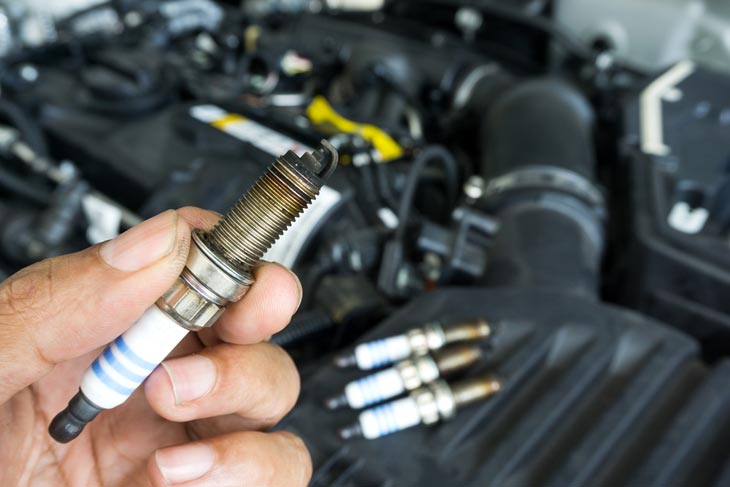
How Often Should You Change Spark Plugs?
The magic number depends on your car, your driving habits, and the type of spark plugs you use.
- Manufacturer Recommendations: Most automakers suggest replacing spark plugs every 30,000 miles for standard plugs. Check your owner’s manual for specifics.
- Plug Type:
- Copper plugs? Expect 20,000–30,000 miles.
- Platinum and iridium plugs? They can go up to 100,000 miles.
But here’s a crucial tip: even extended-life plugs benefit from inspections every 30,000 miles.
Questions and Concerns Raised by Readers
Let’s tackle the frequently asked questions and debates straight from the comments:
- What About Glow Plugs for Diesel Engines?
- Diesel engines use glow plugs instead of spark plugs. Glow plugs preheat the air in the combustion chamber, ensuring efficient ignition. Their replacement frequency depends on the vehicle but is typically longer than for spark plugs.
- Do You Need to Replace Coils When Changing Spark Plugs?
- Not always. Coils should only be replaced if there’s visible damage, performance issues like misfiring, or if they’re near the end of their lifespan. Check the coils during plug replacement for peace of mind.
- Which Brands Are Best?
- Popular brands like NGK, Bosch, and Denso are often mentioned for their reliability. Choose the right type (copper, platinum, or iridium) based on your car and driving needs.
- How Do Driving Habits Affect Spark Plug Life?
- Aggressive driving and frequent high-speed acceleration increase wear. If you’re a spirited driver, expect to replace your plugs more frequently.
- Oil Residue on Plugs: What Does It Mean?
- Oil around the base of a spark plug often signals a blown seal or gasket. This needs immediate attention to prevent further damage to your engine.
High-Performance and Extended-Life Spark Plugs
Not all spark plugs are created equal. Some are built for speed, others for endurance.
- High-Performance Plugs: These deliver more sparks for hotter combustion, giving your engine a power boost. The trade-off? Faster wear and more frequent replacements.
- Extended-Life Plugs: Made from platinum or iridium, these plugs are the marathon runners of the spark plug world. They’re perfect for drivers who want reliable performance with minimal maintenance.
The choice comes down to your priorities—power or longevity?
Common Myths About Spark Plug Maintenance
- “If it ain’t broke, don’t fix it”: By the time your engine shows symptoms, the damage is already done. Preventative maintenance is the way to go.
- “Spark plugs last forever”: Even iridium plugs wear out eventually. Ignoring them leads to bigger, more expensive problems.
- “All spark plugs are the same”: Copper, platinum, and iridium plugs each have their strengths and weaknesses. Match the plug to your car and driving style.
Maintenance Checklist When Changing Spark Plugs
Changing spark plugs is an opportunity to check other components for wear:
- Spark Plug Wires: Replace frayed or cracked wires to prevent misfires.
- Air and Fuel Filters: Clogged filters can reduce engine efficiency, so inspect and replace them as needed.
- Engine Seals and Gaskets: Look for oil leaks around the plug base. A clean plug base is a sign of a healthy seal.
Think of this as a health check for your engine, ensuring all parts work in harmony.
Conclusion
Spark plugs may be small, but they’re mighty. They keep your engine firing on all cylinders—literally.
By understanding why they wear out, recognizing the signs of trouble, and following a regular maintenance schedule, you can save money, improve performance, and avoid the frustration of a misfiring engine.
So, the next time you pop the hood, give those plugs a second glance. They’re the sparks that keep your car—and your life—running smoothly.