
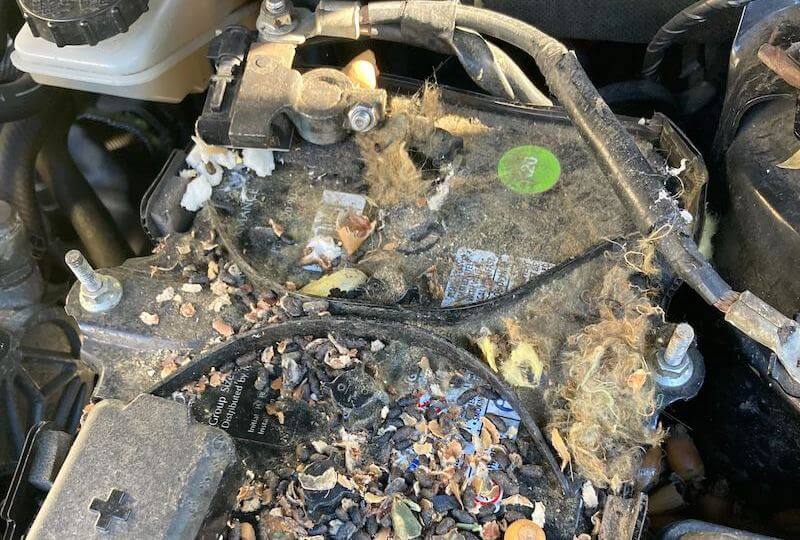
You’re starting your car on a chilly morning, ready for the day, and suddenly, nothing happens. A quick inspection reveals chewed-up wires, shredded insulation, and the unmistakable scent of rodent mischief.
It’s a nightmare every car owner dreads. Rodents are more than just a minor annoyance—they’re tiny wrecking balls with a knack for finding their way into your engine bay and turning it into their personal playground.
But don’t panic just yet. With a little effort and the right tools, you can turn the tables on these pesky intruders.
This guide dives deep into practical, proven solutions to keep rodents out of your car engine and save you a ton of frustration (and repair bills).
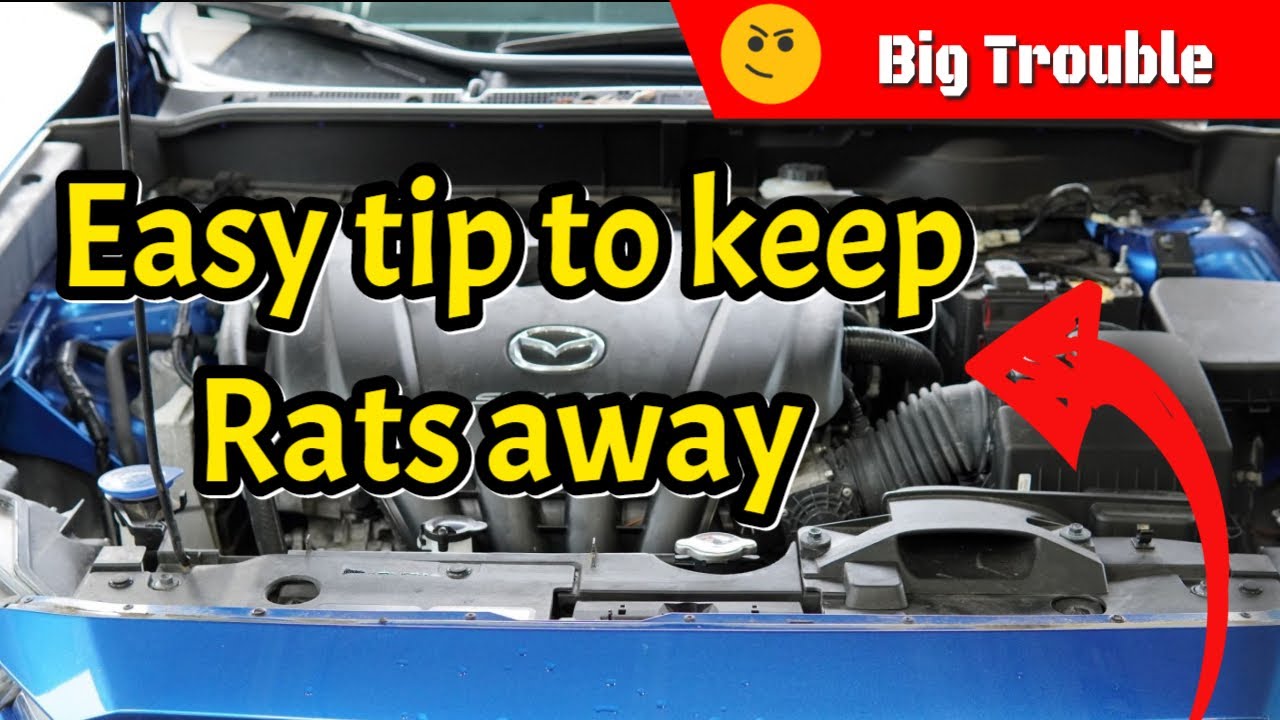
Understanding the Problem
Rodents don’t just wander into your car by accident. They’re drawn by warmth, shelter, and, occasionally, the smell of soy-based wiring insulation.
Modern cars, designed with eco-friendly materials, often unintentionally invite rodents to nibble away at wires, hoses, and plastic. For them, it’s a buffet. For you, it’s an expensive headache.
Recognizing the signs of rodent activity early is crucial. Chewed wires, nests made of insulation, and droppings under the hood are all red flags.
If left unchecked, this can lead to critical damage to your car’s electrical system and other components.
The good news? You don’t have to sit back and watch your car become rodent real estate. Let’s talk solutions.
Practical Solutions to Keep Rodents Out
When it comes to protecting your car engine from rodents, practical and actionable solutions are the key to staying ahead. Let’s explore each strategy in detail so you can implement them with confidence.

1. Keep the Hood Open
Rodents are nocturnal creatures that thrive in dark, enclosed spaces. By leaving your car’s hood open, you disrupt their sense of safety and make the engine bay less appealing.
- Why It Works: Light and open spaces create an uninviting environment for rodents who are looking for a quiet place to nest.
- How to Implement: Park your car in a well-lit, secure location. If possible, leave the hood open overnight or during long periods of parking. This is especially useful for garages with bright overhead lights.
- Tips for Success: Combine this with other methods like repellents or ultrasonic devices for maximum effectiveness.
2. Drive Your Car Regularly
A stationary car is like an abandoned home—it’s an invitation for rodents to move in. Driving your car daily keeps the engine bay active and uninhabitable for pests.
- Why It Works: Frequent use of the car creates vibrations, heat, and movement, all of which deter rodents.
- How to Implement: Even short trips around the block can be effective. The key is not letting your car sit idle for extended periods, especially in outdoor or rural environments.
- Pro Tip: If you have multiple cars, rotate their use to ensure none remain stationary for too long.
3. Block Their Entry
Rodents often enter through small gaps and crevices, so sealing these entry points is crucial.
- Tools to Use:
- Peppermint oil: Soak cotton balls in peppermint oil and place them around the engine bay. The strong scent repels rodents.
- Cat or dog hair: Scatter some pet hair around the car. The smell of predators can scare off rodents.
- Rodent-repellent sprays: These sprays are specifically designed for engine bays and wiring. Apply them liberally on wires and other vulnerable areas.
- Additional Measures: Inspect your garage or parking area for gaps or holes that rodents could use to access your car. Seal them with steel wool or silicone caulk.
4. Keep Food Out of the Vehicle
Food crumbs and smells are like a beacon for rodents. A clean car is a less attractive target.
- Why It Works: Rodents are opportunistic feeders and will follow the scent of food into your car.
- How to Implement:
- Avoid eating inside your car whenever possible.
- Vacuum regularly to remove crumbs and debris.
- Pay special attention to areas under seats, floor mats, and storage compartments.
- Pro Tip: If you must eat in your car, clean up immediately after and dispose of trash far from your parking area.
5. Create an Unpleasant Environment
Rodents hate being disturbed, so making your car an uncomfortable place for them is an effective deterrent.
- Effective Tools:
- Ultrasonic devices: These emit high-frequency sounds that are inaudible to humans but highly irritating to rodents.
- Strobe lights: Flashing lights can disorient rodents and discourage them from nesting.
- Motion-activated alarms: These devices scare off rodents by startling them with noise or vibrations.
- How to Implement: Place these devices in your garage or directly near the car. Ensure they’re positioned to cover entry points or areas where rodents are likely to roam.
6. Use Rodent Deterrent Tape
This specialized tape is designed to protect wires and deter rodents from chewing on them.
- Why It Works: The tape often contains capsaicin, the compound that gives chili peppers their heat. Rodents find this substance extremely unpleasant.
- How to Implement: Wrap the tape around exposed wires, particularly in areas where rodents are likely to chew. Focus on wiring harnesses, near the battery, and around the alternator.
- Pro Tip: Combine this method with other deterrents for comprehensive protection.
Maintenance Tips for Long-Term Protection
While quick fixes are helpful, long-term protection requires consistent effort. Regularly inspect your engine bay for signs of rodent activity, like chewed materials or nests.
Seal gaps in your garage and parking area to limit entry points. If the problem persists, don’t hesitate to seek professional help from a mechanic who can spot vulnerabilities you might miss.
Combining these steps with proactive prevention will save you time, money, and headaches in the long run.
Addressing Common Concerns
What if I park outdoors?
Outdoor parking presents unique challenges, but solutions like rodent-repellent sprays, mothballs, and motion-activated devices can still work wonders.
Placing your car under a covered area or using a specially designed car cover can also help.
Are soy-based wiring materials the problem?
Unfortunately, yes. Modern eco-friendly materials often attract rodents. Applying protective coatings or repellents to wiring can mitigate this issue.
Can I ever fully prevent rodent activity?
While no solution is foolproof, a combination of strategies—cleaning, deterrents, and regular inspections—greatly reduces the likelihood of rodent damage.
Conclusion
Rodents might be persistent, but you’re smarter. By implementing these practical solutions, you can protect your car, save money, and avoid the frustration of preventable damage. Don’t let rodents ruin your ride—turn your engine bay into a no-go zone for these furry invaders.
Your car is a significant investment and deserves the same level of care you’d give to anything valuable. Stay vigilant, stay proactive, and let your car stay rodent-free.