
The road is calling, and your engine hums along as the unsung hero of every journey.
Beneath the hood lies a crucial component—engine oil—that quietly keeps everything running smoothly.
But as you clock miles or let time slip by, a question looms: when should you change your oil?
The debate between time-based and mileage-based oil changes can leave even seasoned drivers scratching their heads.
Is it about how far you’ve driven or how long the oil has been sitting in the engine?
The truth is, the answer depends on several factors, including your driving habits, vehicle type, and even the environment you drive in.
Let’s unravel the complexities and uncover how you can optimize oil changes for a smoother ride and a healthier engine.
Why Regular Oil Changes Matter
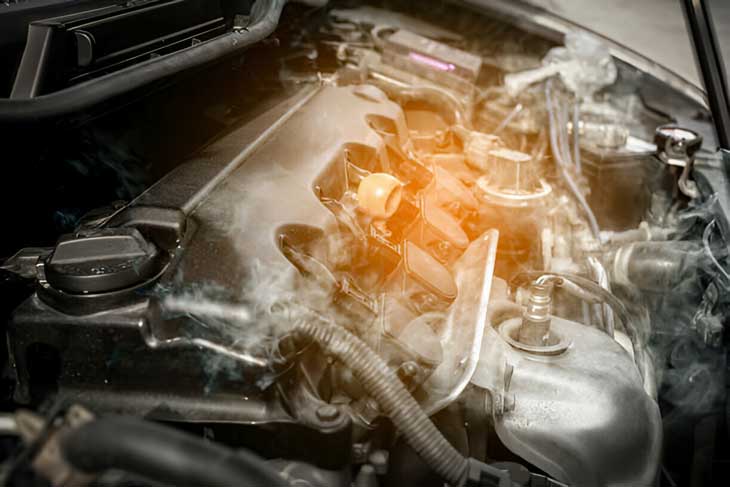
Engine oil does more than just keep parts moving; it’s a crucial guardian of your engine’s health.
Its primary job is to reduce friction by lubricating metal components, but it also plays a key role in regulating temperature and carrying away contaminants.
Without oil, heat generated from friction would quickly escalate, causing parts to warp or even seize.
Over time, however, even high-quality oil succumbs to inevitable degradation. Three primary factors are at play here:
Heat: As oil absorbs heat during engine operation, it oxidizes, thickens, and loses its ability to flow freely.
Impurities: Dust, water, and combustion by-products enter the oil, contaminating it and reducing its effectiveness.
Additive Loss: Modern oils are enhanced with additives like anti-corrosion agents and detergents. These break down over time, leaving the oil less capable of protecting the engine.
Neglecting oil changes leads to sludge formation, reduced efficiency, and increased engine wear.
A simple, routine oil change can prevent these issues, saving you from costly repairs and keeping your vehicle running at its best.
Time vs Mileage: Breaking Down the Debate
Mileage-Based Oil Changes: Understanding the Numbers
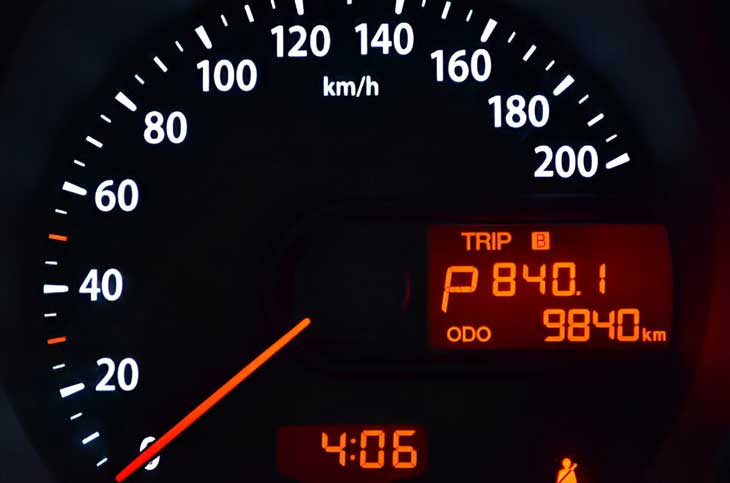
For decades, the “3,000-mile rule” was the gold standard for oil changes. Mechanics recommended this frequency to account for older oil formulations and less efficient engines.
However, advancements in automotive technology have rendered this advice outdated.
Today, most vehicles can safely go 5,000 to 10,000 miles between oil changes, depending on the type of oil and the manufacturer’s guidelines.
Factors influencing mileage intervals include:
Driving Habits: Short trips or stop-and-go traffic prevent oil from reaching its optimal operating temperature, causing faster degradation.
Terrain: Driving on dirt roads or in dusty environments exposes the oil to more contaminants.
Vehicle Age: Older engines with higher mileage may produce more by-products that contaminate oil, requiring more frequent changes.
If you regularly drive long distances on highways, your oil may last closer to the upper mileage limit.
On the other hand, city drivers who face heavy traffic or frequent starts and stops might benefit from more frequent oil changes.
Time-Based Oil Changes: Why It Matters
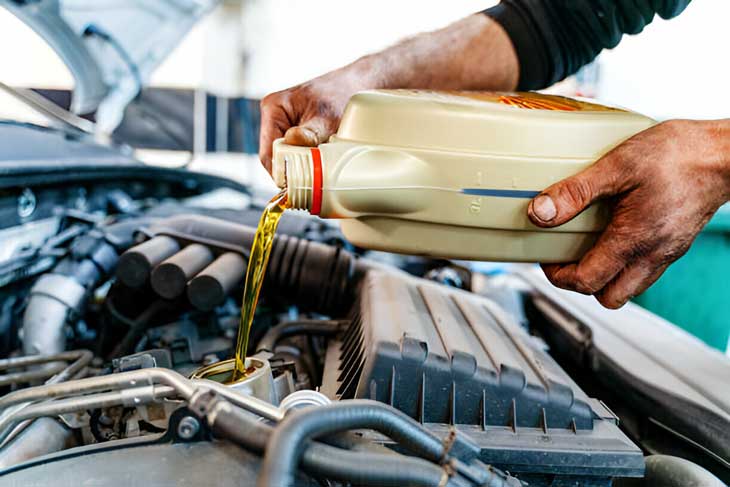
Even if your car stays parked most of the time, oil doesn’t remain pristine. Over months of inactivity, oil oxidizes and absorbs moisture from the environment, leading to reduced effectiveness.
Manufacturers generally recommend oil changes every six months to a year to counteract these effects.
Consider a car that’s used sparingly, sitting idle in a garage for weeks on end. The oil inside deteriorates silently, losing its ability to lubricate effectively.
Time-based oil changes ensure that even vehicles with low mileage remain protected.
Skipping a time-based change risks exposing the engine to oxidized oil that forms sludge, clogs components, and increases wear.
It’s a preventive step that ensures consistent engine health, even for vehicles that aren’t driven often.
The User-Centric Approach to Oil Changes
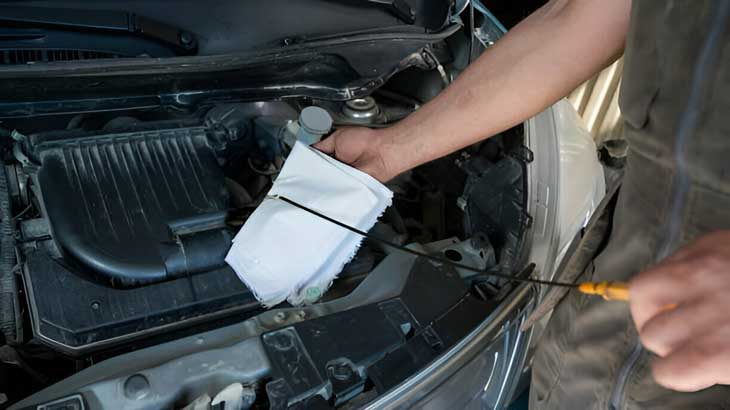
Balancing time and mileage doesn’t have to be complicated. By combining both approaches, you can create a maintenance schedule tailored to your driving conditions. Here’s how:
Step 1: Perform Regular Oil Inspections
Checking your oil monthly takes only a few minutes but provides valuable insight into its condition. Use the dipstick to assess both the oil level and quality.
Clean, amber-colored oil is in good condition.
Dark, thick oil or a low level indicates it’s time for a change.
Consistent inspections help you stay ahead of potential issues, ensuring you never run your engine on degraded oil.
Step 2: Understand Your Driving Patterns
Your driving habits dictate how quickly your oil degrades:
Frequent short trips: These prevent the engine from reaching its optimal temperature, allowing contaminants to build up faster. Change oil every 3,000–5,000 miles in such cases.
Daily highway commutes: Long drives at steady speeds are gentler on oil, extending intervals to 7,500–10,000 miles.
Extreme conditions: Towing heavy loads, driving on steep inclines, or operating in dusty environments accelerates oil wear. Adjust your schedule to stay ahead.
Step 3: Stick to Manufacturer Recommendations
Your owner’s manual provides specific guidelines for oil type, intervals, and filter changes. Following these recommendations ensures optimal performance and protects your warranty.
Step 4: Choose the Right Oil
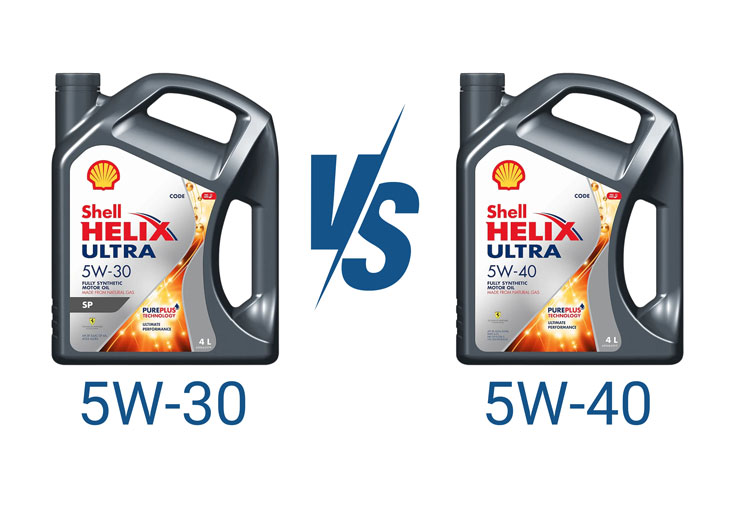
High-quality synthetic oils are designed to withstand extreme temperatures and maintain their effectiveness longer than conventional oils.
While synthetic oil comes at a higher cost, the benefits—longer intervals, better performance, and superior protection—make it an investment worth considering.
Step 5: Use Technology to Your Advantage
Modern vehicles often feature oil-life monitoring systems that assess driving conditions and engine performance to determine the ideal time for an oil change.
These systems provide a personalized approach, combining time and mileage for the best results.
Keep an eye on this system and cross-reference it with manual checks for peace of mind.
Proactive Maintenance Beyond Oil Changes
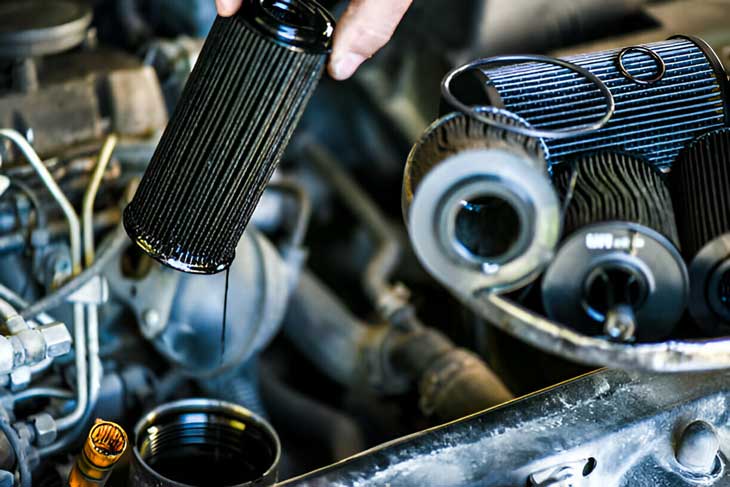
An oil change is just the tip of the iceberg when it comes to maintaining engine health. To truly keep your vehicle in top shape, integrate these practices into your routine:
Replace the Oil Filter Regularly: A clogged filter reduces oil flow, allowing contaminants to circulate through the engine. Replace the filter during every oil change to maintain clean lubrication.
Inspect and Replace the Air Filter: The air filter prevents debris from entering the engine. A dirty filter compromises both performance and oil cleanliness. Check it periodically and replace it if it looks clogged.
Flush the Engine Periodically: For older vehicles or those with inconsistent maintenance histories, an engine flush removes sludge and deposits, restoring oil performance.
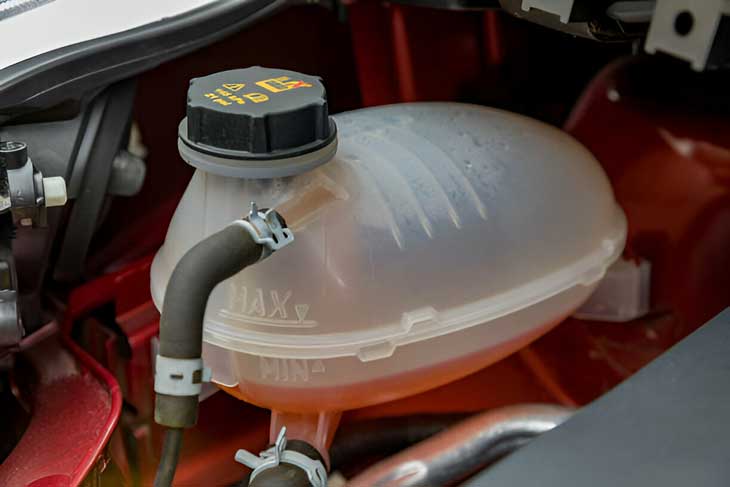
Monitor Coolant Levels: Proper coolant levels prevent overheating and protect engine components, working in tandem with oil to regulate temperature.
Check Spark Plugs and Timing Belts: While unrelated to oil changes, ensuring these components are in good condition contributes to overall engine health.
Preventive maintenance isn’t just about avoiding problems—it’s about optimizing performance, increasing fuel efficiency, and extending the life of your car.
Conclusion
When it comes to oil changes, there’s no single answer—only a balanced approach that fits your car and your habits.
Whether you rely on mileage, time, or a combination of both, staying proactive ensures your engine remains reliable and efficient.
The road ahead is smoother when your engine is well-maintained. Take control of your oil change schedule, and you’ll save yourself time, money, and headaches down the line. Drive smarter, not harder.