
You’re driving along the highway, music blasting, windows down, feeling invincible—until your tire gives out.
Surprise! That little PSI sticker on your car door? Yeah, it’s been trying to save your life this whole time. But what does PSI actually mean, and why should you care? Let’s dive in.
What Exactly is PSI, Anyway?
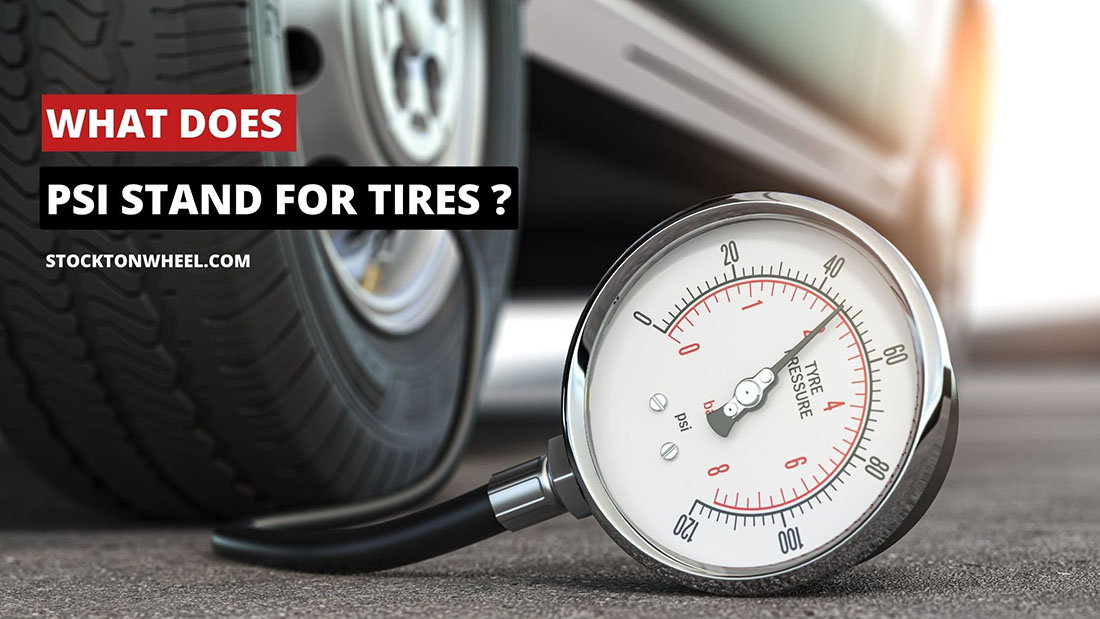
PSI stands for Pounds per Square Inch, which is essentially a measurement of pressure. In the context of your car, it tells you how much air is squeezed into those rubber donuts keeping you off the pavement.
Think of it like the blood pressure of your car’s circulatory system—too high or too low, and you’re asking for trouble.
It’s a pretty simple concept: 1 PSI equals the pressure exerted by one pound of force on a single square inch.
That’s it. But despite its simplicity, this little metric can have a monumental impact on how your car performs.
Now, before you roll your eyes and mutter, “Who cares?” consider this: incorrect PSI can make your tires wear out faster, reduce your fuel economy, and make your car handle like a drunken shopping cart. Still think it doesn’t matter? Just wait—there’s more.
Why Tire Pressure Is the Unsung Hero of Vehicle Maintenance
Here’s a stat to chew on: underinflate your tires by just 6 PSI, and you could lose up to 5% of your fuel efficiency.
Worse, your tires might wear out 25% faster. That’s like burning money every time you hit the gas pedal.
When your tire pressure is just right, the entire surface of your tire evenly contacts the road. This improves grip, reduces wear, and optimizes performance.
But when it’s wrong—whether too low or too high—you’re either dragging on deflated rubber or bouncing on overinflated balloons. Neither is ideal.
And no, it doesn’t matter if your car is brand new or an old beater—PSI doesn’t discriminate. So, what’s the magic number for your car? Let’s find out.
What’s the Right PSI for Your Car?
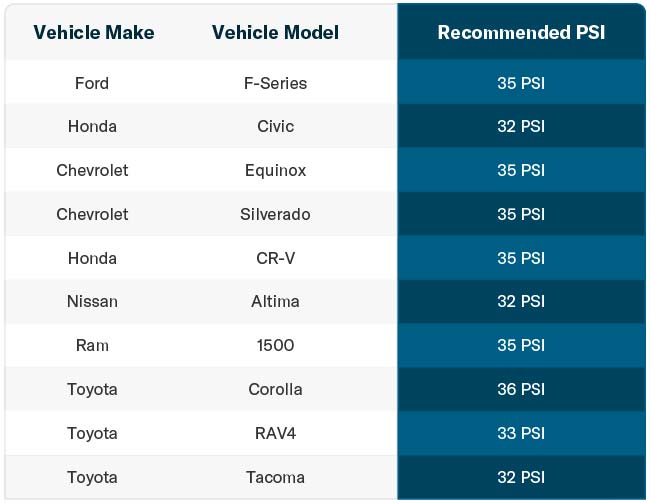
Here’s the kicker: there isn’t a one-size-fits-all answer. For most passenger vehicles, the recommended PSI falls between 30 and 35.
But depending on your car—whether it’s a Toyota Corolla, Ford Everest, or a souped-up Honda Civic—your ideal PSI could be higher or lower.
That’s why automakers kindly slap a sticker with the recommended tire pressure on the inside of your driver-side door. It’s not just decoration.
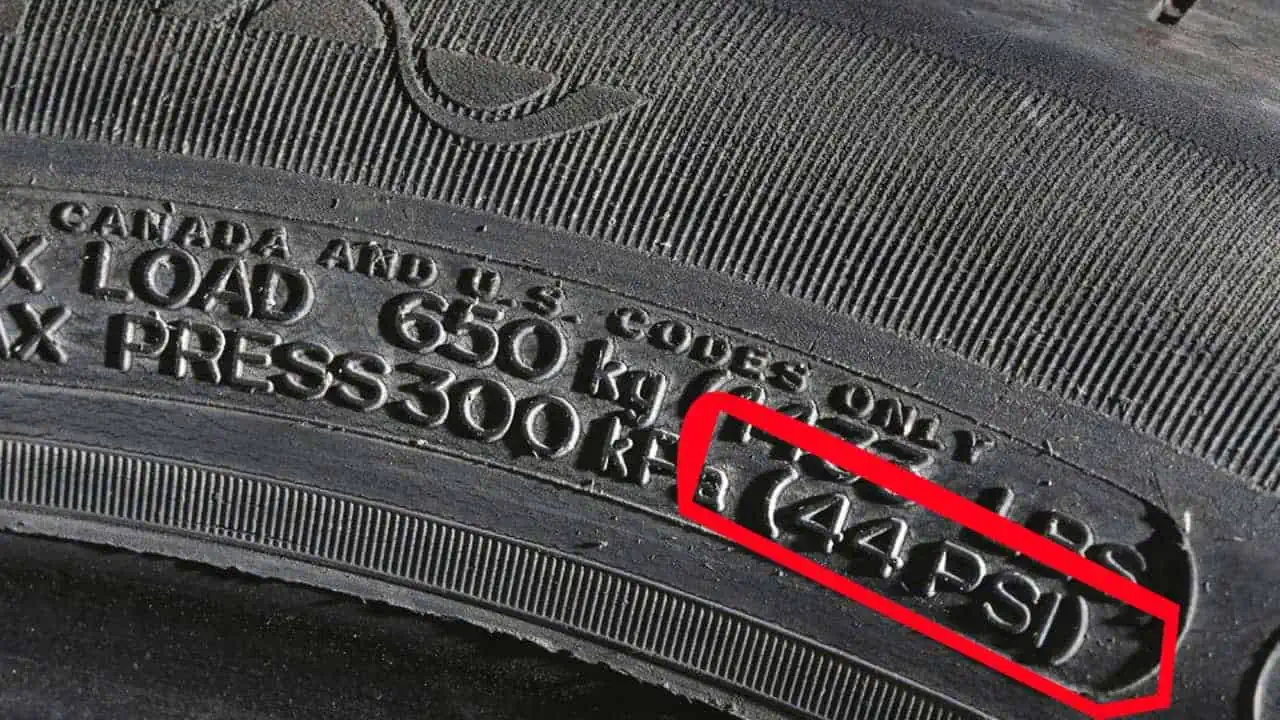
Now, before you whip out your tire gauge, there’s one key distinction: the PSI listed on your tire itself isn’t what you should aim for.
That number represents the maximum pressure the tire can handle, not what your car needs for optimal performance.
Think of it like coffee—just because your mug can hold 20 ounces doesn’t mean you need to fill it to the brim.
But wait, there’s a catch—and it has everything to do with temperature swings.
Temperature vs. PSI: The Battle You Didn’t Know Existed
Ever notice how your tires seem a little flat on cold mornings? That’s because for every 10°F drop in temperature, your tire pressure decreases by about 1-2 PSI.
On the flip side, a summer heatwave can bump it up by the same amount.
This means if you’re in Chicago in January or Phoenix in July, your tires are living two very different lives.
The solution? Check your PSI when the tires are cold (ideally after your car has been parked for at least three hours). A quick adjustment can save you a lot of grief—and maybe even a blowout.
Speaking of checking your PSI, let’s get into the nitty-gritty of how to do it right.
How to Check and Adjust Your Tire Pressure Like a Pro
When it comes to checking your tire pressure, it’s not rocket science, but it’s also not something you should do haphazardly. Think of it as giving your car a quick health check. Here’s the breakdown:
1. Gather Your Tools Like a Real Pro
Before you start, make sure you’ve got the right gear. You wouldn’t bake a cake without a pan, would you? Here’s your essential toolkit:
- Tire Pressure Gauge: This is your primary weapon. You can pick one up for a few bucks at any auto parts store or online. Digital ones are easier to read, but a trusty pencil gauge works just fine.
- Air Compressor: If you don’t own one, most gas stations have coin-operated ones. Alternatively, you can buy a portable air compressor for convenience.
- Your Car’s Manual or Door Sticker: This is where the manufacturer tells you the sweet spot for your tire pressure. Ignore this, and you’re playing a guessing game.
Got everything? Good. Let’s move on.
2. Timing is Everything
Checking your tire pressure isn’t something you can do just anytime, anywhere.
The best time to check is when your tires are “cold.” Why? Because driving heats up your tires, which temporarily increases the PSI, giving you a false reading.
Here’s the deal:
- Cold Tires: Measure after the car has been parked for at least three hours or driven less than a mile at low speeds.
- Avoid Heat Waves: If it’s 100°F outside, remember that temperature swings can change your PSI by 1-2 units for every 10°F. Keep this in mind during extreme weather.
Bottom line: pick a cool, quiet morning for the most accurate results. Now, let’s get our hands dirty.
3. Check the PSI Like a Boss
Now that you’re equipped and ready, it’s time to measure your tire pressure. Follow these simple steps:
- Locate the Valve Stem: It’s that little nozzle sticking out of your tire. Unscrew the cap, but don’t lose it—it’s small and loves to disappear.
- Attach the Gauge: Place the gauge firmly onto the valve stem. If you hear a hissing sound, adjust the angle until it’s snug. The gauge will give you a reading within seconds.
- Compare the Reading: Check the number displayed against the recommended PSI on your door sticker or manual. Write it down if necessary.
Repeat this process for all four tires. And don’t forget the spare—it’s like the fifth Beatle of your car, often forgotten but essential when things go south.
4. Adjust Tire Pressure to Perfection
Here’s where you can flex your DIY skills. Whether your PSI is too high or too low, fixing it is straightforward:
If the PSI is Too Low:
- Connect your air compressor to the valve stem.
- Add air in small bursts, checking the pressure after each one.
- Stop once you hit the recommended PSI—overinflation is just as bad as underinflation.
If the PSI is Too High:
- Press the valve pin with your gauge or a small tool to release air.
- Monitor the pressure as you let air out. Don’t get overzealous—you’re aiming for the sweet spot, not a flat tire.
5. Double-Check and Reinstall Caps
Once you’ve adjusted the pressure on all your tires, go around one more time to ensure accuracy.
Trust but verify, as they say. Afterward, screw the valve caps back on tightly. These little guys prevent dirt and debris from clogging the valve stems and causing leaks.
6. Repeat Regularly—Because Tires Don’t Fix Themselves
Checking your tire pressure isn’t a one-and-done deal. Here’s when you should make it a habit:
- Once a Month: Tires naturally lose about 1 PSI per month, so stay ahead of the curve.
- Before Long Road Trips: Nothing ruins a vacation like a blowout on the interstate.
- After Temperature Swings: Remember, 10°F can mean a 1-2 PSI change.
Making this routine ensures your car runs smoothly, saves fuel, and avoids costly tire replacements.
And if that doesn’t convince you, think of it as an excuse to hang out with your car. Who doesn’t love bonding time?
Pro Tip for Perfectionists:
Invest in a portable air compressor for your garage or trunk. These compact lifesavers let you adjust your tire pressure anytime, anywhere. Plus, they make you look like a car genius in front of your neighbors.
Why It Matters
If you think this sounds like a hassle, consider the alternative: uneven tread wear, poor fuel economy, and an increased risk of accidents.
Proper tire pressure isn’t just about the numbers; it’s about keeping you and your passengers safe.
And now that you know the ropes, let’s dive into what happens when custom tires enter the equation. Because let’s face it, life—and tires—are rarely that simple.
But What About Custom Tires?
Ah, the wrench in the works. If you’ve swapped out your factory tires for custom ones, the sticker on your door may no longer apply.
Instead, you’ll need to check the maximum PSI rating on the tire and adjust accordingly. When in doubt, consult a professional—or risk turning your car into a clown car.
Conclusion: Don’t Sleep on Your PSI
Understanding PSI isn’t rocket science—it’s basic car care that can save you time, money, and a whole lot of frustration.
So, the next time you’re at the gas station, don’t just fill your tank and grab snacks. Take a moment to check your tires. Your future self (and your car) will thank you.
Because let’s face it, no one wants to be the person stranded on the side of the road, Googling “what does PSI mean in cars” on their phone.