
Your engine overheating is never a good sign. But when you’ve checked the coolant reservoir, and it’s full, the confusion sets in.
If the coolant is doing its job, why is the temperature gauge creeping into the danger zone? The short answer: coolant isn’t the only piece of the cooling puzzle.
The longer answer? Let’s dive into what’s happening under the hood, what could be going wrong, and how to fix it.
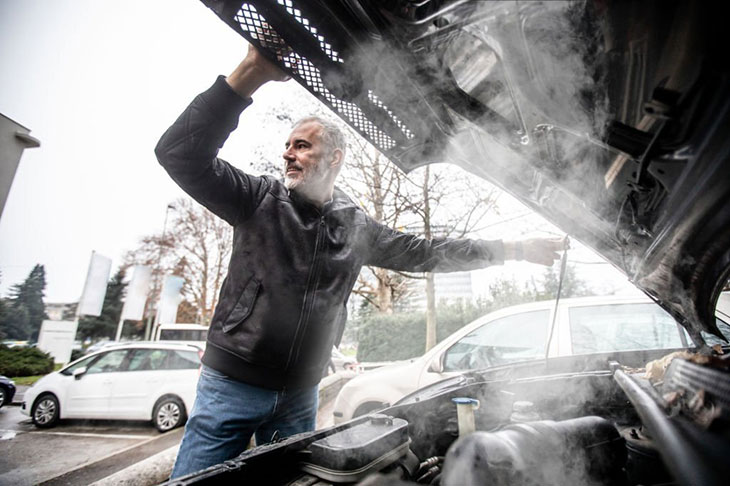
Recognizing the Symptoms of an Overheating Engine
An overheating engine rarely happens without warning. By paying attention to the signs early, you can prevent significant damage and potentially costly repairs.
Here’s a detailed look at the key symptoms that your engine is running too hot:
1. Temperature Warning Light
The temperature gauge on your dashboard is the first line of defense against engine overheating.
- What to Look For:
- The needle on the gauge moving beyond the normal operating range and into the red zone.
- A temperature warning light illuminating on the dashboard.
- What It Means:
- This indicates that the engine’s temperature has exceeded safe levels. Ignoring it can lead to severe issues, including engine warping or cracking.
- What to Do:
- If the light comes on or the gauge rises, pull over as soon as it’s safe. Allow the engine to cool before inspecting for visible issues such as leaks or steam.
2. Ticking or Thumping Noises
Unusual engine noises often accompany overheating.
- What to Look For:
- Ticking sounds from the engine bay, especially when accelerating.
- Thumping noises, which may indicate a cooling system imbalance.
- What It Means:
- These noises occur because overheated oil loses its viscosity, leading to insufficient lubrication for moving parts.
- Ticking sounds can signal parts rubbing due to expansion from the heat.
- What to Do:
- Stop driving and allow the engine to cool. Check the oil level and quality to ensure it’s sufficient and in good condition.
3. Steam from Under the Hood
Steam is one of the most alarming signs of engine overheating.
- What to Look For:
- Visible white steam or vapor coming from the edges of the hood, particularly near the radiator.
- A strong smell of coolant or a sweet odor, indicating coolant has boiled over.
- What It Means:
- Steam usually indicates that the coolant has reached its boiling point and is being released from the radiator cap or overflow tank.
- This can signify a major issue with the cooling system, such as a clogged radiator or malfunctioning thermostat.
- What to Do:
- Turn off the engine immediately and allow it to cool for at least 30 minutes before opening the hood.
- Never attempt to open the radiator cap while the engine is hot—it can cause serious burns.
4. Loss of Engine Power
Overheating often causes the engine to lose performance, which is especially noticeable when driving uphill or under load.
- What to Look For:
- Sluggish acceleration or difficulty maintaining speed.
- The engine struggles to deliver power, even with increased throttle input.
- What It Means:
- Excessive heat causes engine components to expand, reducing their ability to move freely and function efficiently.
- In extreme cases, overheating can lead to the engine going into “limp mode,” where power is intentionally reduced to protect vital components.
- What to Do:
- Reduce the load on the engine by turning off the air conditioning and driving at a steady, moderate speed.
- If performance continues to decline, pull over and allow the engine to cool.
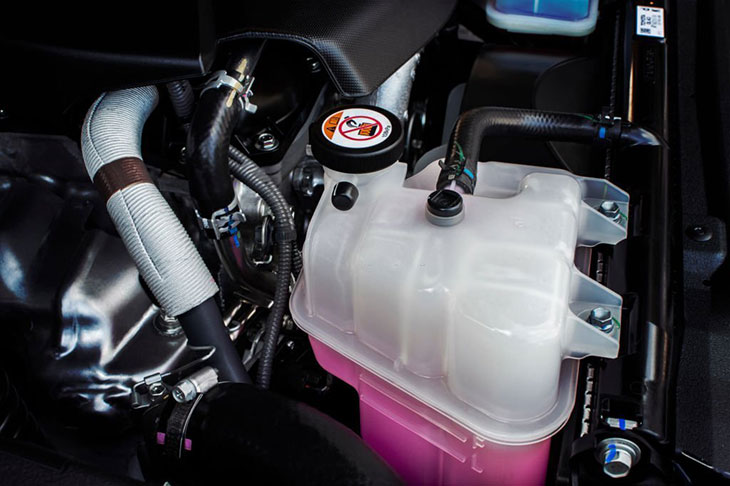
5. Coolant Overflow or Bubbling in the Reservoir
Visible bubbling in the coolant reservoir is a telltale sign of overheating.
- What to Look For:
- Coolant boiling or bubbling in the overflow tank.
- Overflow spilling out of the reservoir cap.
- What It Means:
- Bubbling indicates trapped air or a pressure imbalance in the cooling system, often caused by a malfunctioning thermostat or a blown head gasket.
- Overflow may occur if the radiator cap isn’t sealing properly or the cooling system is overfilled.
- What to Do:
- Inspect the reservoir for cracks or leaks once the engine cools.
- Check the radiator cap for wear and replace it if necessary.
6. Burning Smells
Overheating engines often emit distinct odors that can alert you to trouble.
- What to Look For:
- A sharp, acrid smell resembling burning oil or plastic.
- A sweet, syrupy smell from leaking or boiling coolant.
- What It Means:
- Burning oil indicates engine components are overheating due to insufficient lubrication.
- A sweet smell suggests coolant is leaking onto hot engine parts or escaping as steam.
- What to Do:
- Check for visible leaks or pooling fluid under the car.
- If oil or coolant levels are low, refill them cautiously and monitor for recurrence.
Common Causes of Engine Overheating with Full Coolant
- Faulty Water Pump
The water pump is the heart of the cooling system, circulating coolant through the engine and radiator. If it fails, coolant flow slows or stops, leading to rapid overheating.
Symptoms: Leaking coolant near the pump, grinding noises, or inconsistent temperature readings.
Solution: Inspect the pump for leaks or damage and replace it if necessary. - Blocked Radiator
The radiator is where heat exchange happens, and a blockage can limit airflow or coolant circulation. Dirt, debris, or internal buildup often cause the issue.
Symptoms: Uneven temperature across the radiator surface or visible debris clogging the fins.
Solution: Flush the radiator or replace it if cleaning doesn’t resolve the blockage. - Broken Thermostat
A stuck thermostat can restrict coolant flow, either trapping it in the engine or preventing it from circulating. Both scenarios lead to overheating.
Symptoms: Temperature gauge fluctuating between extremes or remaining abnormally high.
Solution: Test the thermostat by immersing it in hot water to see if it opens. Replace it if it doesn’t function properly. - Heater Core Blockage
The heater core also plays a role in the cooling system. If it’s blocked, coolant circulation is compromised.
Symptoms: Lack of heat in the cabin despite a functioning heater and rising engine temperatures.
Solution: Flush the heater core or replace it if flushing doesn’t clear the blockage. - Blown Head Gasket
A blown head gasket can allow coolant to leak into the engine or mix with oil, causing overheating. This is one of the most severe causes.
Symptoms: White smoke from the exhaust, milky oil on the dipstick, or bubbles in the coolant reservoir.
Solution: Perform a compression test to confirm a blown gasket and seek professional help for replacement. - Defective Cooling Fans
If the radiator fans aren’t functioning, heat from the coolant can’t dissipate efficiently. This issue is particularly noticeable in stop-and-go traffic.
Symptoms: Overheating while idling but not during highway driving.
Solution: Inspect the fan motor and wiring. Replace faulty fans or relays.
How to Fix Engine Overheating with Full Coolant
Once you’ve identified the cause, here’s how to fix it:
- Inspect and Replace Faulty Components
- Water Pump: Look for leaks or grinding noises. Replace if necessary.
- Thermostat: Ensure it opens and closes properly. Replace if it’s stuck.
- Radiator: Flush the system or replace the radiator if it’s severely clogged.
- Cooling Fans: Check for electrical issues and replace damaged fans.
- Bleed the Cooling System
Air pockets in the system can prevent coolant from flowing properly. Bleeding the system ensures a steady flow.
Steps: Open the bleed valve and run the engine until no air bubbles remain in the coolant. - Use the Right Coolant
Mixing the wrong types of coolant can reduce effectiveness and cause internal corrosion. Always use coolant that meets your car manufacturer’s specifications. - Repair or Replace the Head Gasket
If a head gasket is blown, professional repair is necessary. This is a complex issue that requires specialized tools and expertise. - Schedule Regular Maintenance
Routine checks and coolant flushes prevent blockages and ensure the cooling system operates efficiently.
FAQs About Engine Overheating Despite Full Coolant
- Why is my coolant full but my car is still overheating?
- Common culprits include a stuck thermostat, a clogged radiator, or air pockets in the cooling system.
- Can I drive an overheating car?
- No. Driving while overheating can lead to catastrophic engine failure.
- How do I know if my head gasket is blown?
- Look for white smoke, milky oil, or bubbles in the coolant reservoir.
Conclusion
An overheating engine, even with full coolant, isn’t just an inconvenience—it’s a warning sign that something deeper is wrong.
Whether it’s a faulty water pump, a clogged radiator, or a more severe issue like a blown head gasket, addressing the problem promptly can save you from costly repairs.
Routine maintenance, attention to warning signs, and swift action when overheating occurs can keep your engine running smoothly.
So, next time you see that temperature gauge creeping up, you’ll know exactly what to do.
Have a story about engine overheating? Share it in the comments—we’d love to hear how you handled it!