Ford F150 Body Styles Configurations and Cabs Chart

I still remember pulling into my narrow suburban driveway with my newly purchased full-size truck, only to realize the cab and bed configuration made standard parking completely impossible.

Navigating the vast world of ford f150 body styles can feel overwhelming when you are staring at endless dimensional charts, cab variations, and cargo box lengths.

At Team Bryan’s Garage, we want to help you master these structural layouts effortlessly to avoid costly buying mistakes and ensure your vehicle fits your daily lifestyle.
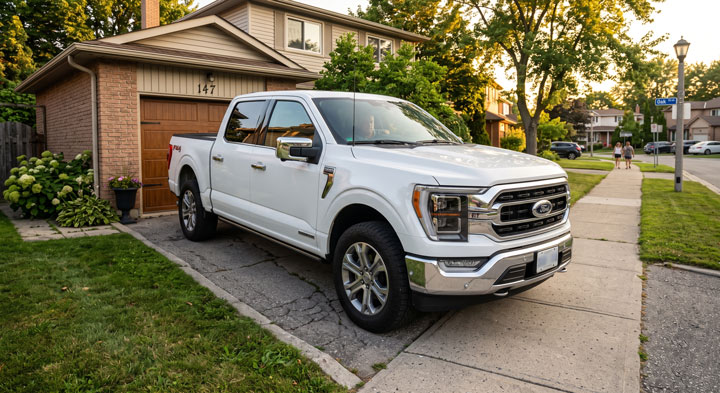
Ford F150 Body Styles Configurations and Cabs Chart

In This Article

  • Core Cab & Bed Architecture: Master the fundamental differences between Regular Cab, SuperCab, and SuperCrew configurations.
  • Historical Generation Timeline: Track how structural designs evolved across the 10th through 14th generations.
  • Interior & Dimensional Breakdown: Compare exact cabin volumes, rear legroom specs, and cargo bed dimensions.
  • Styleside vs. Flareside Designs: Learn how bed wall styling impacts cargo width and utility.
  • Practical Buyer & DIY Sizing Guide: Avoid common fitment traps regarding garage depth, door swing, and payload capacities.
🔴 MOST OWNERS NEVER FIND THIS

Your F-150 has a secret slot that starts the truck when your key fob dies.
And 8 other things Ford never told you.

Dead fob fix · Remote window trick · 7.2 kW generator hiding in your bed · Tailgate ladder · and 5 more.

▶ Read Now — Show Me Everything

bryansgarage.com · Bryan Mark · 2026
Ford F-150 Hidden Features

What Are the Ford F150 Body Styles and Cab Configurations? Master Mechanic Breakdown

The half-ton Ford F-150 platform relies on three distinct cab styles combined with three standardized box lengths to serve diverse work and personal needs.

Workplace fleets, suburban family drivers, and off-road enthusiasts all require specific cab dimensions to balance interior passenger room against rear payload bed volume.

Understanding these dimensional changes becomes essential during vehicle purchases, garage fitment planning, and when calculating payload distribution thresholds.

Cab variations directly influence total vehicle length, wheelbase dimensions, turning radius capabilities, and interior legroom specifications.

Selecting the wrong cab or bed length causes severe driveway clearance issues, compromises trailer tongue weight limits, and creates parking friction.

Ford manufactures these structural body configurations using high-strength fully boxed steel frames paired with either stamped steel or military-grade aluminum body panels depending on the model generation.

Overall vehicle lengths range from approximately 209 inches for a regular cab short bed up to 250 inches for an extended cab long bed, giving owners versatile sizing options.

Certified automotive technicians emphasize checking factory door jamb placard codes to verify chassis limits before performing heavy modifications or hauling heavy equipment.

If you want to handle your truck measurements safely at home, check out our full guide at Bryan’s Garage.

Ford F150 Body Styles by Year: Historical Generation Timeline (10th to 14th Gen)
Ford F150 Body Styles Configurations and Cabs Chart

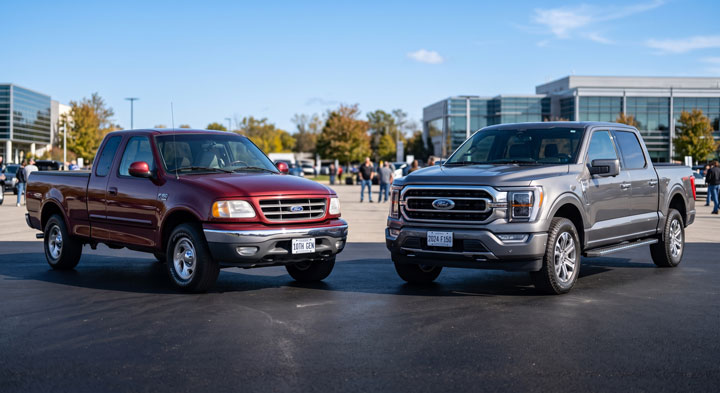
Understanding f150 body styles by year requires examining how Ford redesigned chassis dimensions and cab architecture across major production cycles.

Over the last three decades, the F-150 transitioned from a basic utilitarian farm truck into a technologically advanced luxury haul vehicle.

Each generation brought major improvements to cab structural rigidity, crumple zones, side-impact protection, and aerodynamic bed design.

10th Generation (1997–2003 / 2004 Heritage)

The 10th generation introduced a radical aerodynamic overhaul featuring smooth exterior curves and a rounded front fascia.

Ford revolutionized extended cab utility by adding rear-hinged doors to the SuperCab, allowing easier access to back-seat cargo space.

In 2001, Ford introduced the full four-door SuperCrew cab to the half-ton lineup, setting a new standard for family truck comfort.

Buyers during this era could select between traditional flat-sided Styleside beds and sculpted Flareside beds with exterior steps.

11th Generation (2004–2008)

The 11th generation adopted a bold, blocky profile with taller box sides and a stiffer, fully boxed hydroformed steel frame.

Regular cab models featured small reverse-opening access doors behind the main seats, providing extra dry storage inside the cabin.

SuperCab doors gained full 170-degree opening hinges, making loading tools and large gear inside the rear floor area much easier.

Ford expanded luxury trims during this cycle, introducing higher-grade interior materials across King Ranch and Lariat models.

12th Generation (2009–2014)

The 12th generation refined the blocky aesthetic with a taller three-bar grille, aggressive headlamp assemblies, and improved cab insulation.

Ford stretched the SuperCrew cabin length by several inches, providing rear legroom that rivaled full-size executive luxury sedans.

This generation saw the debut of the high-performance SVT Raptor off-road truck, featuring widened fender flares and long-travel suspension.

Engineers improved aerodynamic tailgate spoilers to reduce drag while maintaining heavy-duty payload box sidewall strength.

13th Generation (2015–2020)

The 13th generation marked an engineering milestone when Ford replaced traditional steel body panels with high-strength military-grade aluminum alloy.

This structural shift shedding roughly 700 pounds of curb weight allowed higher payload ratings and improved fuel efficiency across all cab styles.

Ford eliminated the Flareside bed design entirely, standardizing sleek Styleside bed geometries across all trim lines.

SuperCrew models became the dominant seller, taking over the majority of consumer truck production runs nationwide.

14th Generation (2021–2026 Present)

The 14th generation updated exterior body sheet metal while keeping core high-strength aluminum alloy structural panels intact.

Ford re-engineered every body panel to optimize airflow, adding active grille shutters and redesigned air curtains on front bumpers.

Interior configurations evolved into mobile workspaces, featuring fold-flat gear shifters, interior work surfaces, and lay-flat front seats.

This generation also debuted the fully electric F-150 Lightning, which uses a specialized SuperCrew aluminum cab configuration.

Generation & Model YearsPrimary Cab ConfigurationsAvailable Bed OptionsKey Structural Innovations
10th Gen (1997–2003)Regular Cab, SuperCab, SuperCrew (2001+)5.5 ft, 6.5 ft, 8.0 ft (Styleside / Flareside)Aerodynamic body styling, rear-hinged SuperCab doors, introduction of SuperCrew.
11th Gen (2004–2008)Regular Cab, SuperCab, SuperCrew5.5 ft, 6.5 ft, 8.0 ft (Styleside / Flareside)Fully boxed frame, mini access doors on Regular Cab, 170-degree SuperCab door hinges.
12th Gen (2009–2014)Regular Cab, SuperCab, SuperCrew5.5 ft, 6.5 ft, 8.0 ft (Styleside / Flareside)Expanded SuperCrew rear cabin space, introduction of SVT Raptor widened body.
13th Gen (2015–2020)Regular Cab, SuperCab, SuperCrew5.5 ft, 6.5 ft, 8.0 ft (Styleside only)High-strength military-grade aluminum body, 700-lb weight reduction, drop of Flareside option.
14th Gen (2021–2026)Regular Cab, SuperCab, SuperCrew5.5 ft, 6.5 ft, 8.0 ft (Styleside only)Redesigned aerodynamic body, Pro Power Onboard bed generator, Pro Access tailgate.

Mastering these f150 body style years helps classic truck builders and modern buyers source correct replacement panels and accessories.

Decoding Cabin Space: SuperCrew vs. SuperCab vs. Regular Cab Dimensions
Ford F150 Body Styles Configurations and Cabs Chart

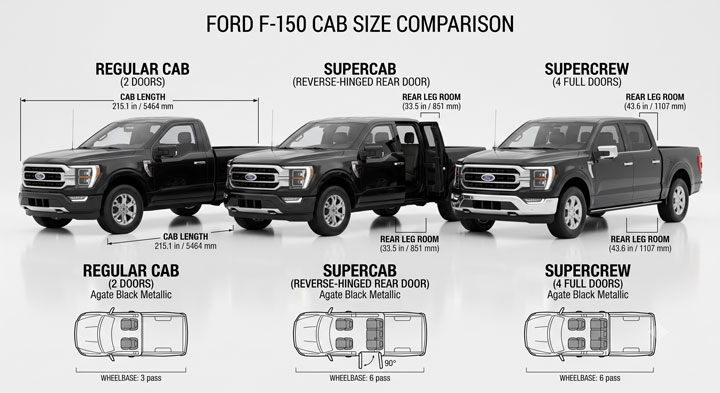
Choosing the ideal interior cab size depends heavily on how many passengers you haul and your daily cargo requirements.

Every cab style alters interior shoulder room, rear legroom, door operation mechanics, and overall chassis weight.

Evaluating these cab styles side-by-side helps identify trade-offs between back-seat comfort and total bed volume.

Regular Cab

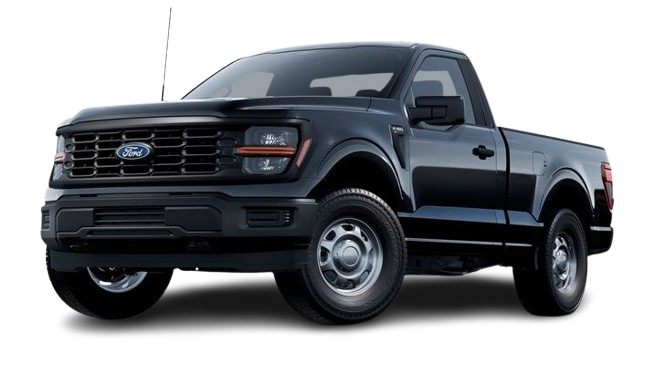
The Regular Cab configuration features two full-size front-hinged doors and a single row of seating.

This layout accommodates up to three passengers when equipped with a front 40/20/40 split bench seat.

Because there is no rear passenger compartment, Regular Cabs yield the shortest overall vehicle length for tight turning radii.

Commercial contractors and fleet managers favor Regular Cabs because they allow maximum payload capacity and fit long 8-foot beds.

SuperCab (Extended Cab)

The SuperCab features two traditional full-size front doors paired with two smaller rear-hinged reverse access doors.

Opening the rear doors requires opening the front door first, which can feel tight in cramped parking lot spots.

The rear bench seat accommodates up to three additional passengers, providing approximately 33.5 inches of rear legroom.

SuperCab models offer a practical middle ground for drivers who need occasional passenger seating while preserving bed space.

SuperCrew (Crew Cab)

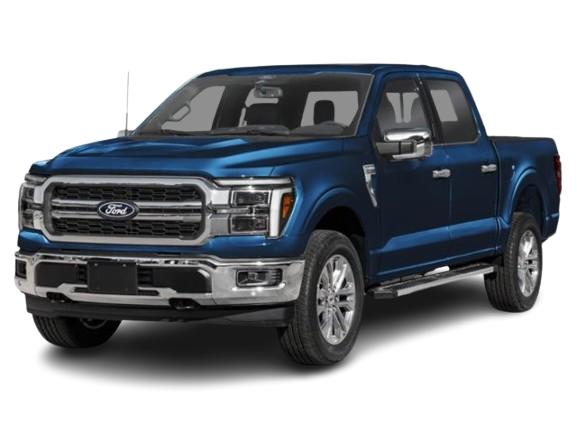
The SuperCrew cab features four full-size, independently operating front-hinged doors.

Rear passengers enjoy over 43.6 inches of dedicated legroom, matching the cabin space of large luxury SUVs.

The rear seat cushions fold up flat against the back wall, creating a massive, lockable dry cargo area across the flat load floor.

The SuperCrew is the most popular cab choice for daily commuters, families, and towing enthusiasts alike.

Cab StyleDoor Count & StyleSeating CapacityRear Legroom (Inches)Primary Compatibility
Regular Cab2 Full-Size Front Doors2 to 3 PassengersN/A (Front: 43.9 in)Work Fleets & Long Bed Hauling
SuperCab2 Front + 2 Rear-Hinged Doors5 to 6 Passengers33.5 InchesMixed Tool Cargo & Occasional Crew
SuperCrew4 Full-Size Independent Doors5 to 6 Passengers43.6 InchesFamily Travel, Daily Commuting & Towing

Analyzing these interior dimensions prevents buying a cab that feels cramped on long highway road trips.
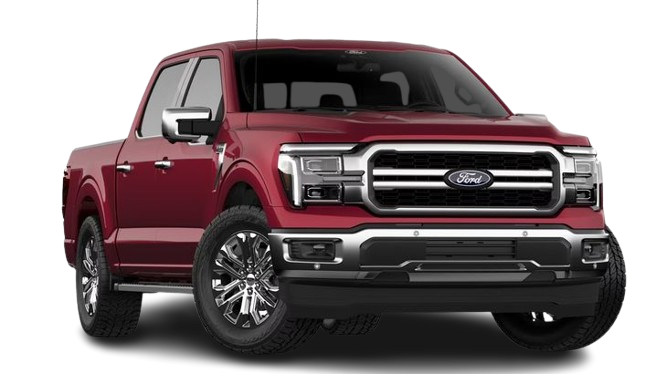
🔧 Hidden F-150 Features — Confirmed by real owners

9 things your F-150 can do — that the dealer never tells you

  • â‘  The secret slot to start your truck when the fob dies — you’re ignoring it every day
  • â‘¡ Hold Unlock for 3 seconds: windows roll down, cabin cools before you step in
  • â‘¢ Pro Power Onboard: 7.2 kW outlet right in your bed — never used it?
  • â‘£ Hidden tailgate ladder + built-in ruler on the workbench
  • ⑤ Auto shifts to P when you open the door — saved thousands of trucks from rolling away
  • â‘¥ + 4 more features the service department never mentions →

See full list with photos →

F-150 Tricks

Ford F150 Bed Styles and Cargo Box Dimensions Demystified

Matching your cab selection with the proper cargo bed length is critical for hauling cargo, equipment, and trailers.

Ford offers three standard bed box sizes: a 5.5-foot short box, a 6.5-foot standard box, and an 8.0-foot long box.

Every bed length changes overall wheelbase calculations, payload ratings, and vehicle maneuvering dynamics.

5.5-Foot Short Bed

The 5.5-foot short bed measures 67.1 inches in floor length and delivers 52.8 cubic feet of usable cargo volume.

This bed length is available exclusively on SuperCrew cab configurations.

It provides an agile turning footprint that fits easily inside standard 20-foot residential garages.

While great for city driving, hauling 8-foot drywall or lumber requires keeping the tailgate down or using bed extenders.

6.5-Foot Standard Bed

The 6.5-foot standard bed measures 78.9 inches in floor length and delivers 62.3 cubic feet of cargo volume.

This versatile bed size is available across all three cab styles: Regular Cab, SuperCab, and SuperCrew.

It strikes an optimal balance between maneuverability and serious payload utility.

Contractors and outdoor enthusiasts prefer this bed length for securing bicycles, camping gear, and construction supplies.

8.0-Foot Long Bed

The 8.0-foot long bed measures 97.6 inches in floor length and provides 77.4 cubic feet of cargo volume.

Ford pairs this maximum-utility box exclusively with Regular Cab and SuperCab configurations.

It allows tradespeople to load standard 4×8 sheet goods flat on the bed floor with the tailgate fully closed.

Because it lengthens the vehicle’s wheelbase, long-bed models require wide turning radiuses and deep parking bays.

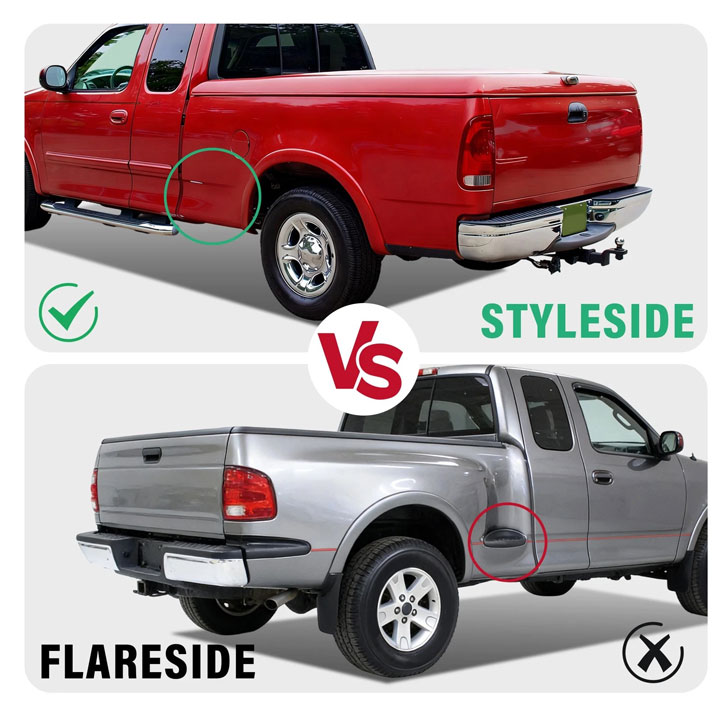
Styleside vs. Flareside Bed Walls

Ford F150 Body Styles Configurations and Cabs Chart (Internet)

Historic ford f150 body style years featured two visual bed wall designs: Styleside and Flareside.

Styleside beds feature flat outer sheet metal panels, placing the wheel well arches inside the bed floor area.

Flareside beds feature narrow interior floor walls with sculpted wheel arches flared outward on the exterior.

Flareside models included steps built into the outer fenders, giving owners easy access to side cargo.

Ford discontinued the Flareside option after 2009 to maximize bed volume across all truck lines.

Bed Length NameFloor Length (Inches)Cargo Volume (Cu. Ft.)Bed Depth (Inches)Compatible Cab Styles
5.5-Foot Short Bed67.1 Inches52.8 Cu. Ft.21.4 InchesSuperCrew Only
6.5-Foot Standard Bed78.9 Inches62.3 Cu. Ft.21.4 InchesRegular Cab, SuperCab, SuperCrew
8.0-Foot Long Bed97.6 Inches77.4 Cu. Ft.21.4 InchesRegular Cab, SuperCab

Understanding box dimensions ensures your truck bed fits your cargo toolboxes and bed toppers accurately.

Practical Application Guide & Expert Tips: How to Sizing Your F150 Correctly

Selecting the right truck body configuration requires measuring your parking setup and verifying payload specs before buying.

Following a step-by-step sizing evaluation saves money and prevents buyer’s remorse.

Step 1: Measure Residential Garage and Parking Spaces

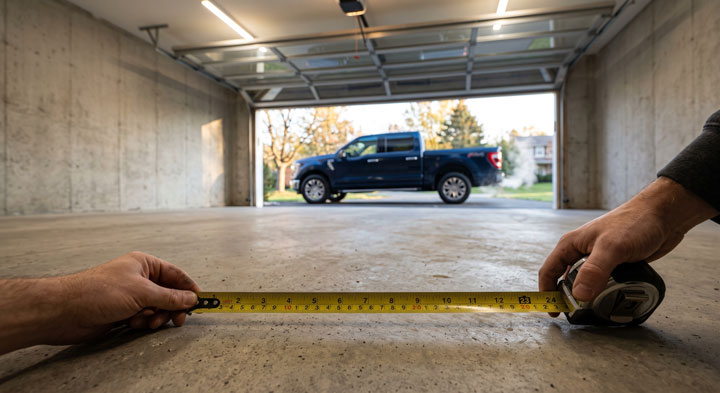
Use a steel tape measure to calculate the exact depth of your garage floor from the back wall to the garage door threshold.

A short-bed SuperCrew measures roughly 232 inches overall, whereas a standard-bed SuperCrew measures nearly 244 inches.

Ensure you leave at least 12 inches of walking clearance around front bumper zones.

Verify that garage door opening height clears tall roof antenna mounts and aftermarket bed racks.

Ford F150 Body Styles Configurations and Cabs Chart

Step 2: Inspect the B-Pillar Tire & Loading Placard

Open the driver side door and inspect the yellow and white Safety Compliance Certification Label fixed to the door frame.

Review the Gross Vehicle Weight Rating (GVWR) and maximum payload capacity listed for that specific body layout.

Larger cab styles like the SuperCrew add curb weight, which slightly reduces overall maximum payload compared to lighter Regular Cabs.

Cross-reference payload figures against your heavy equipment trailers to confirm safe weight tolerances.

Step 3: Test Cab Door Clearance and Passenger Access

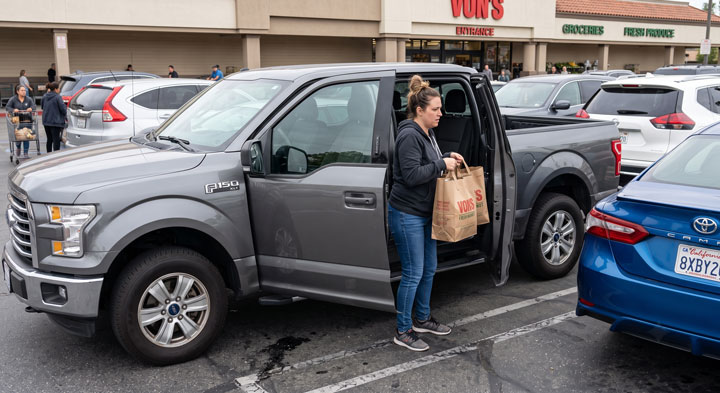
Park potential trucks between two vehicles to test rear passenger door swing radius under tight suburban parking conditions.

Check if SuperCab rear-hinged doors restrict quick access when loading small children or groceries.

Ensure full-size front-hinged SuperCrew doors open cleanly without bumping adjacent car doors.

Verify that power deployable running boards extend fully without hitting curb stops or garage steps.

Step 4: Evaluate Towing Wheelbase Dynamics

Ford F150 Body Styles Configurations and Cabs Chart

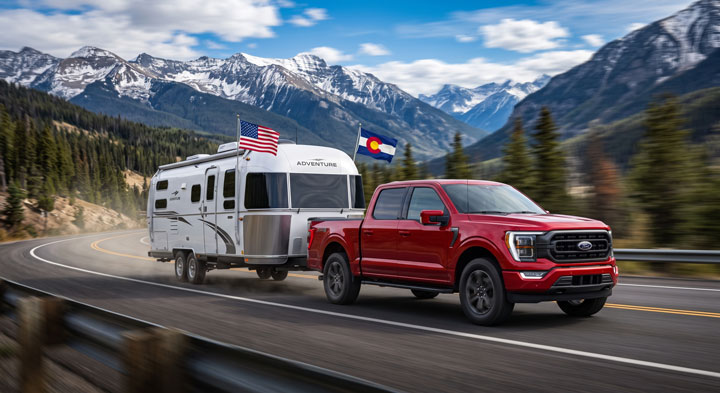
Longer wheelbases deliver improved directional stability when pulling heavy travel trailers against highway crosswinds.

A 157-inch wheelbase SuperCrew with a 6.5-foot bed tracks straighter than a shorter 145-inch wheelbase model.

However, shorter wheelbases offer superior breakover angles and tighter turning radiuses for off-road trail driving.

Align your primary driving goals between heavy highway towing and agile daily maneuvering.

Overcoming Risks & Common Mistakes When Selecting F150 Configurations

Ford F150 Body Styles Configurations and Cabs Chart

Many truck buyers make preventable mistakes by overlooking physical exterior dimensions and weight ratings.

Ignoring total vehicle length often results in parking trucks outside where weather damages paint coatings over time.

Here are critical pitfalls to avoid when selecting modern or pre-owned Ford trucks:

  • Assuming All SuperCrew Models Fit Standard Garages: Many buyers assume all half-ton trucks are identical in length. A SuperCrew with a 6.5-foot bed often sticks out past standard residential garage doors.
  • Ignoring SuperCab Door Swing Restrictions: SuperCab reverse-hinged doors require opening the front door first. In tight parking spots, this design creates a “door trap” where passengers get trapped between open doors.
  • Sacrificing Payload for Luxury Trim Add-Ons: High-end luxury trims feature heavier luxury cab equipment like massagers and sunroofs. This extra weight directly subtracts from overall bed payload capacity.
  • Mismatched Fifth-Wheel or Gooseneck Hitches: Installing fifth-wheel hitches in 5.5-foot short beds risks trailer overhang contact with the cab glass during sharp turns. Short beds require specialized sliding hitches to clear cabin corners.
  • Confusing Generation Body Panels: Sourcing replacement fenders or tailgates across generation transitions can result in panel gap errors. Double check body panel part numbers across 12th, 13th, and 14th gen production breaks.

Avoiding these common oversights ensures your truck fits both your home garage and your heavy hauling needs.

F-150 Community
🟢 Going viral on F150Forum & Reddit

“I’ve driven an F-150 for 4 years and didn’t know this existed.”
— The most common reaction when this article is shared

9
features
2015+
models
11 min
read
Free
no signup

Did you know which button on your fob opens the tailgate when your hands are full? Or the button combo to reset CarPlay in 15 seconds without turning off the engine?

I want to know right now →

bryansgarage.com · June 24, 2026

Frequently Asked Questions (FAQ)

1. What are the three main Ford F150 cab body styles?

The three core cab configurations are the Regular Cab (2 doors, 1 seat row), the SuperCab (2 front doors + 2 rear access doors), and the SuperCrew (4 full-size independent doors). Each layout offers distinct compromises between interior passenger room and bed space.

2. How do I measure my F150 bed length to find the right body style?

Measure the inside length of your truck bed floor from the inside edge of the bulkhead behind the cab to the inside of the closed tailgate. Standard lengths measure roughly 5.5 feet (67.1 in), 6.5 feet (78.9 in), or 8.0 feet (97.6 in).

3. What is the difference between Styleside and Flareside F150 body styles?

Styleside beds feature smooth, continuous exterior side panels with inner wheel arches inside the cargo box. Flareside beds feature narrow interior cargo walls with sculpted outer wheel arches and exterior side step pockets. Ford phased out Flareside beds after 2009.

4. What year did Ford change the F150 body style to aluminum?

Ford introduced the all-aluminum body structure for the 13th generation starting in model year 2015. High-strength military-grade aluminum alloy body panels reduced vehicle weight by roughly 700 pounds while increasing corrosion resistance.

5. Can you get a SuperCrew F150 with an 8-foot long bed?

No, Ford does not offer an 8-foot long bed option on half-ton SuperCrew models. Combining an 8-foot bed with a SuperCrew cab would create an overly long vehicle frame that exceeds standard residential turn radiuses and chassis specs.

Conclusion

Understanding ford f150 body styles empowers you to select a truck configuration that perfectly matches your lifestyle, garage setup, and payload needs. Team Bryan’s Garage is dedicated to giving you accurate, money-saving automotive advice.

Ready to transform your car maintenance from a stressful chore into a breeze? Explore more tips at Bryan’s Garage.

Have questions? Our team can help you find the best solutions for your car problems and avoid costly mechanic visits.

Note: Individual results may vary depending on individual vehicle makes, models, year of manufacture, and overall condition. This article is intended for general automotive reference purposes only and does not replace official manufacturer service manuals or advice from a certified mechanic.

Leave a Comment