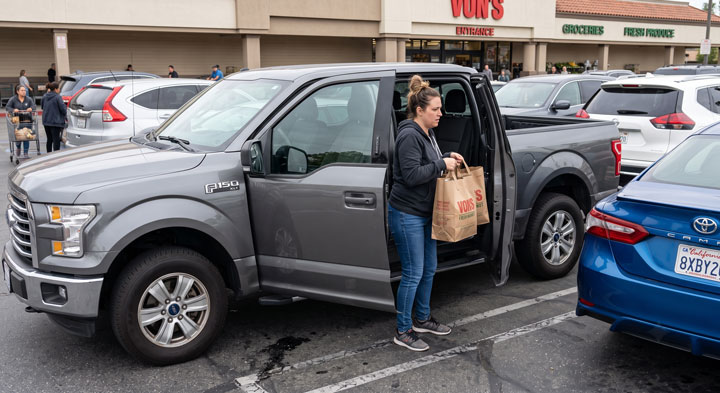
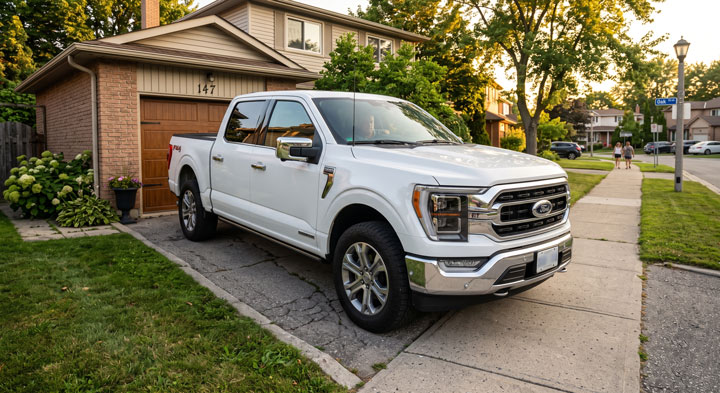
I still remember pulling into my narrow suburban driveway with my newly purchased full-size truck, only to realize the cab and bed configuration made standard parking completely impossible.
Navigating the vast world of ford f150 body styles can feel overwhelming when you are staring at endless dimensional charts, cab variations, and cargo box lengths.
At Team Bryan’s Garage, we want to help you master these structural layouts effortlessly to avoid costly buying mistakes and ensure your vehicle fits your daily lifestyle.
In This Article
- Core Cab & Bed Architecture: Master the fundamental differences between Regular Cab, SuperCab, and SuperCrew configurations.
- Historical Generation Timeline: Track how structural designs evolved across the 10th through 14th generations.
- Interior & Dimensional Breakdown: Compare exact cabin volumes, rear legroom specs, and cargo bed dimensions.
- Styleside vs. Flareside Designs: Learn how bed wall styling impacts cargo width and utility.
- Practical Buyer & DIY Sizing Guide: Avoid common fitment traps regarding garage depth, door swing, and payload capacities.
Your F-150 has a secret slot that starts the truck when your key fob dies.
And 8 other things Ford never told you.
Dead fob fix · Remote window trick · 7.2 kW generator hiding in your bed · Tailgate ladder · and 5 more.
▶ Read Now — Show Me Everything
bryansgarage.com · Bryan Mark · 2026
What Are the Ford F150 Body Styles and Cab Configurations? Master Mechanic Breakdown
The half-ton Ford F-150 platform relies on three distinct cab styles combined with three standardized box lengths to serve diverse work and personal needs.
Workplace fleets, suburban family drivers, and off-road enthusiasts all require specific cab dimensions to balance interior passenger room against rear payload bed volume.
Understanding these dimensional changes becomes essential during vehicle purchases, garage fitment planning, and when calculating payload distribution thresholds.
Cab variations directly influence total vehicle length, wheelbase dimensions, turning radius capabilities, and interior legroom specifications.
Selecting the wrong cab or bed length causes severe driveway clearance issues, compromises trailer tongue weight limits, and creates parking friction.
Ford manufactures these structural body configurations using high-strength fully boxed steel frames paired with either stamped steel or military-grade aluminum body panels depending on the model generation.
Overall vehicle lengths range from approximately 209 inches for a regular cab short bed up to 250 inches for an extended cab long bed, giving owners versatile sizing options.
Certified automotive technicians emphasize checking factory door jamb placard codes to verify chassis limits before performing heavy modifications or hauling heavy equipment.
If you want to handle your truck measurements safely at home, check out our full guide at Bryan’s Garage.
Ford F150 Body Styles by Year: Historical Generation Timeline (10th to 14th Gen)
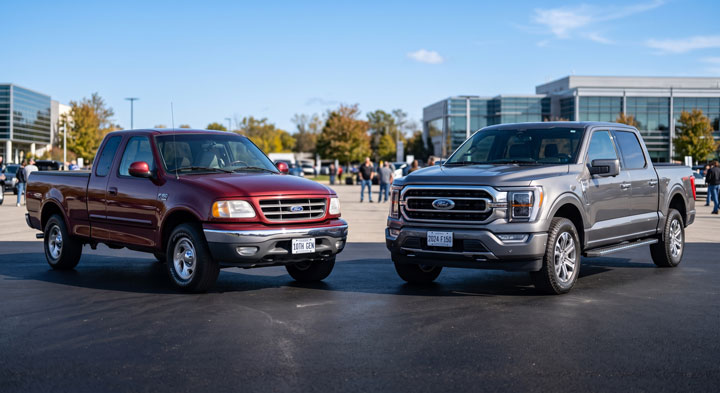
Understanding f150 body styles by year requires examining how Ford redesigned chassis dimensions and cab architecture across major production cycles.
Over the last three decades, the F-150 transitioned from a basic utilitarian farm truck into a technologically advanced luxury haul vehicle.
Each generation brought major improvements to cab structural rigidity, crumple zones, side-impact protection, and aerodynamic bed design.
10th Generation (1997–2003 / 2004 Heritage)
The 10th generation introduced a radical aerodynamic overhaul featuring smooth exterior curves and a rounded front fascia.
Ford revolutionized extended cab utility by adding rear-hinged doors to the SuperCab, allowing easier access to back-seat cargo space.
In 2001, Ford introduced the full four-door SuperCrew cab to the half-ton lineup, setting a new standard for family truck comfort.
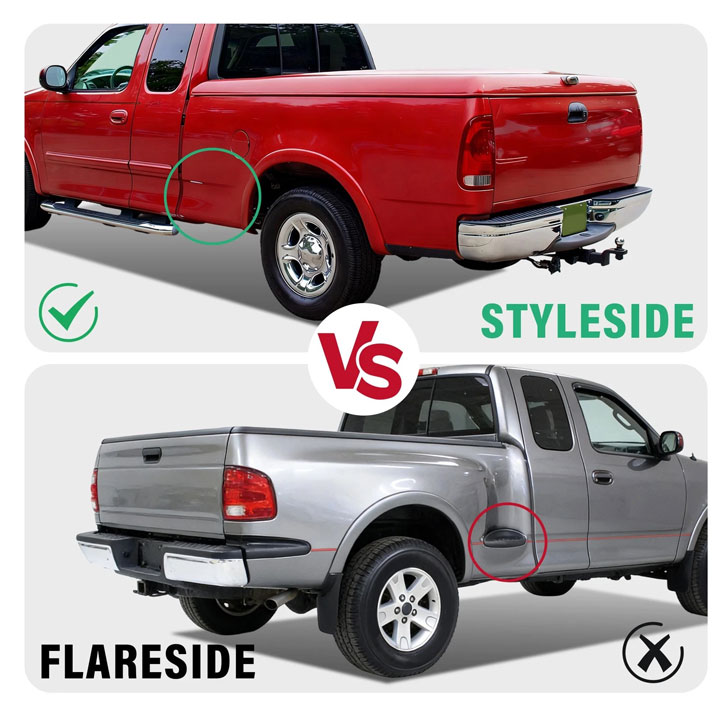
Buyers during this era could select between traditional flat-sided Styleside beds and sculpted Flareside beds with exterior steps.
11th Generation (2004–2008)
The 11th generation adopted a bold, blocky profile with taller box sides and a stiffer, fully boxed hydroformed steel frame.
Regular cab models featured small reverse-opening access doors behind the main seats, providing extra dry storage inside the cabin.
SuperCab doors gained full 170-degree opening hinges, making loading tools and large gear inside the rear floor area much easier.
Ford expanded luxury trims during this cycle, introducing higher-grade interior materials across King Ranch and Lariat models.
12th Generation (2009–2014)
The 12th generation refined the blocky aesthetic with a taller three-bar grille, aggressive headlamp assemblies, and improved cab insulation.
Ford stretched the SuperCrew cabin length by several inches, providing rear legroom that rivaled full-size executive luxury sedans.
This generation saw the debut of the high-performance SVT Raptor off-road truck, featuring widened fender flares and long-travel suspension.
Engineers improved aerodynamic tailgate spoilers to reduce drag while maintaining heavy-duty payload box sidewall strength.
13th Generation (2015–2020)
The 13th generation marked an engineering milestone when Ford replaced traditional steel body panels with high-strength military-grade aluminum alloy.
This structural shift shedding roughly 700 pounds of curb weight allowed higher payload ratings and improved fuel efficiency across all cab styles.
Ford eliminated the Flareside bed design entirely, standardizing sleek Styleside bed geometries across all trim lines.
SuperCrew models became the dominant seller, taking over the majority of consumer truck production runs nationwide.
14th Generation (2021–2026 Present)
The 14th generation updated exterior body sheet metal while keeping core high-strength aluminum alloy structural panels intact.
Ford re-engineered every body panel to optimize airflow, adding active grille shutters and redesigned air curtains on front bumpers.
Interior configurations evolved into mobile workspaces, featuring fold-flat gear shifters, interior work surfaces, and lay-flat front seats.
This generation also debuted the fully electric F-150 Lightning, which uses a specialized SuperCrew aluminum cab configuration.
| Generation & Model Years | Primary Cab Configurations | Available Bed Options | Key Structural Innovations |
|---|---|---|---|
| 10th Gen (1997–2003) | Regular Cab, SuperCab, SuperCrew (2001+) | 5.5 ft, 6.5 ft, 8.0 ft (Styleside / Flareside) | Aerodynamic body styling, rear-hinged SuperCab doors, introduction of SuperCrew. |
| 11th Gen (2004–2008) | Regular Cab, SuperCab, SuperCrew | 5.5 ft, 6.5 ft, 8.0 ft (Styleside / Flareside) | Fully boxed frame, mini access doors on Regular Cab, 170-degree SuperCab door hinges. |
| 12th Gen (2009–2014) | Regular Cab, SuperCab, SuperCrew | 5.5 ft, 6.5 ft, 8.0 ft (Styleside / Flareside) | Expanded SuperCrew rear cabin space, introduction of SVT Raptor widened body. |
| 13th Gen (2015–2020) | Regular Cab, SuperCab, SuperCrew | 5.5 ft, 6.5 ft, 8.0 ft (Styleside only) | High-strength military-grade aluminum body, 700-lb weight reduction, drop of Flareside option. |
| 14th Gen (2021–2026) | Regular Cab, SuperCab, SuperCrew | 5.5 ft, 6.5 ft, 8.0 ft (Styleside only) | Redesigned aerodynamic body, Pro Power Onboard bed generator, Pro Access tailgate. |
Mastering these f150 body style years helps classic truck builders and modern buyers source correct replacement panels and accessories.
Decoding Cabin Space: SuperCrew vs. SuperCab vs. Regular Cab Dimensions
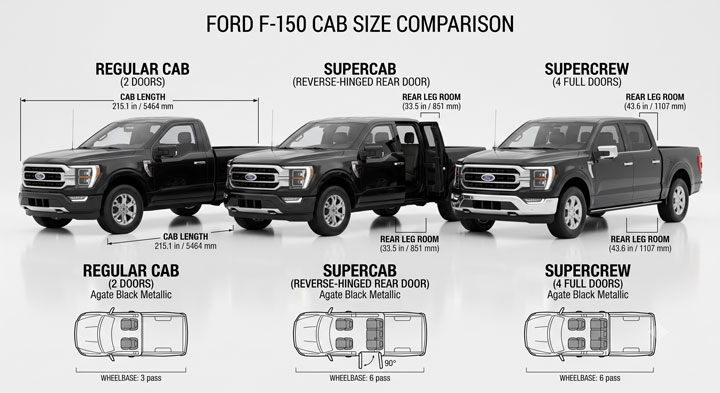
Choosing the ideal interior cab size depends heavily on how many passengers you haul and your daily cargo requirements.
Every cab style alters interior shoulder room, rear legroom, door operation mechanics, and overall chassis weight.
Evaluating these cab styles side-by-side helps identify trade-offs between back-seat comfort and total bed volume.
Regular Cab
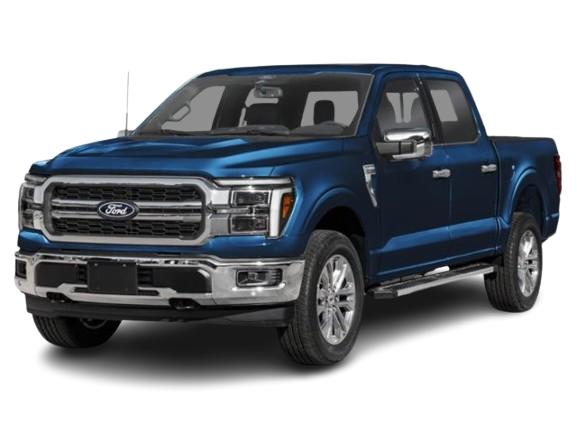
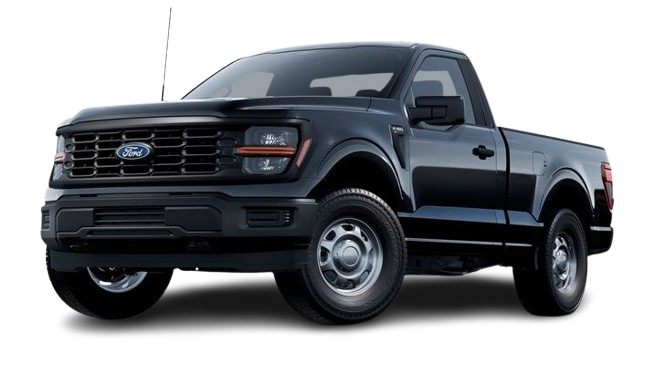
The Regular Cab configuration features two full-size front-hinged doors and a single row of seating.
This layout accommodates up to three passengers when equipped with a front 40/20/40 split bench seat.
Because there is no rear passenger compartment, Regular Cabs yield the shortest overall vehicle length for tight turning radii.
Commercial contractors and fleet managers favor Regular Cabs because they allow maximum payload capacity and fit long 8-foot beds.
SuperCab (Extended Cab)
The SuperCab features two traditional full-size front doors paired with two smaller rear-hinged reverse access doors.
Opening the rear doors requires opening the front door first, which can feel tight in cramped parking lot spots.
The rear bench seat accommodates up to three additional passengers, providing approximately 33.5 inches of rear legroom.
SuperCab models offer a practical middle ground for drivers who need occasional passenger seating while preserving bed space.
SuperCrew (Crew Cab)
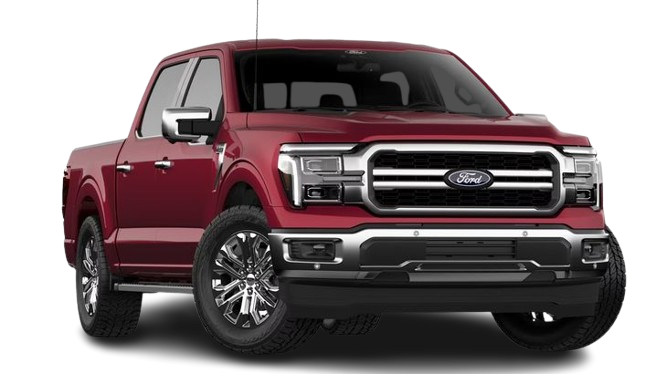
The SuperCrew cab features four full-size, independently operating front-hinged doors.
Rear passengers enjoy over 43.6 inches of dedicated legroom, matching the cabin space of large luxury SUVs.
The rear seat cushions fold up flat against the back wall, creating a massive, lockable dry cargo area across the flat load floor.
The SuperCrew is the most popular cab choice for daily commuters, families, and towing enthusiasts alike.
| Cab Style | Door Count & Style | Seating Capacity | Rear Legroom (Inches) | Primary Compatibility |
|---|---|---|---|---|
| Regular Cab | 2 Full-Size Front Doors | 2 to 3 Passengers | N/A (Front: 43.9 in) | Work Fleets & Long Bed Hauling |
| SuperCab | 2 Front + 2 Rear-Hinged Doors | 5 to 6 Passengers | 33.5 Inches | Mixed Tool Cargo & Occasional Crew |
| SuperCrew | 4 Full-Size Independent Doors | 5 to 6 Passengers | 43.6 Inches | Family Travel, Daily Commuting & Towing |
Analyzing these interior dimensions prevents buying a cab that feels cramped on long highway road trips.