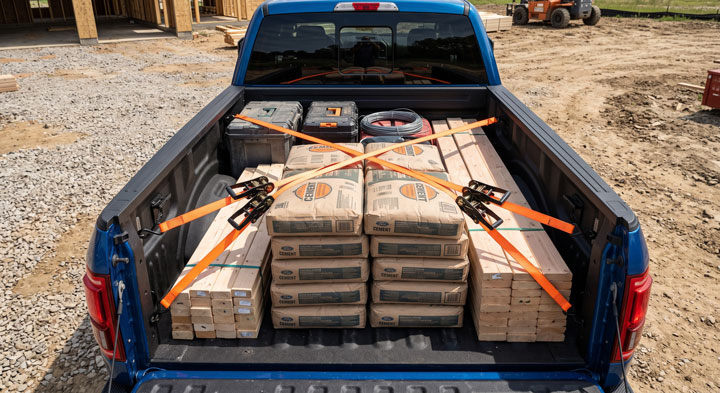
I still remember overloading my truck bed with landscaping gravel years ago and watching the rear axle sag so low the tires scrubbed the wheel wells on every highway bump.
At Team Bryan’s Garage, we know how confusing ford f150 payload capacity numbers can be when balancing work gear, passengers, and weekend supplies.
In this master mechanic guide, we break down exact weight limits, trim penalties, and suspension solutions to keep your truck running safely without damaging expensive drivetrain components.
In This Article
- Ranked reviews of top Ford F-150 bed loading configurations and suspension helper packages.
- The engineering math behind Gross Vehicle Weight Rating (GVWR) and rear axle limits.
- Why entry-level XL trims carry significantly more payload than fully optioned Platinum models.
- Mechanical effects of bed sag on leaf springs, axle bearings, and differential fluids.
- A practical 5-step guide to calculating net payload and placing cargo safely.
Your F-150 has a secret slot that starts the truck when your key fob dies.
And 8 other things Ford never told you.
Dead fob fix · Remote window trick · 7.2 kW generator hiding in your bed · Tailgate ladder · and 5 more.
▶ Read Now — Show Me Everything
bryansgarage.com · Bryan Mark · 2026
The 7 Best Ford F-150 Bed Loading Configurations & Suspension Upgrades: Ranked & Reviewed
Navigating factory weight ratings requires understanding how cab styles, bed lengths, and trim options influence payload limits.
Our team evaluated manufacturer specifications, axle ratings, and aftermarket suspension upgrades across recent model years.
Here are seven top market configurations and load-support setups ranked by utility, structural stability, and hauling performance.
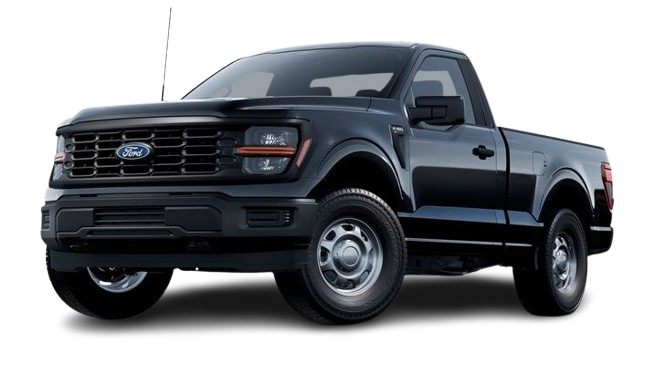
1. Regular Cab 8-Foot Long Bed (Heavy-Duty Payload Package / Max Payload Setup)
The Regular Cab 8-foot long bed configuration represents the absolute peak hauling setup in the light-duty truck segment.
Equipped with the 5.0L V8 or 3.5L EcoBoost engine, this regular cab setup yields maximum working bed volume.
It is best for commercial fleet operators, contractors, and tradespeople moving heavy bulk raw materials daily.
The honest limitation is its sparse interior seating capacity, accommodating only two to three occupants comfortably.
While many dealership salesmen push buyers toward crew cabs, our team at Bryan’s Garage always reminds work-focused owners that fewer cab options leave far more legal weight capacity for cargo.
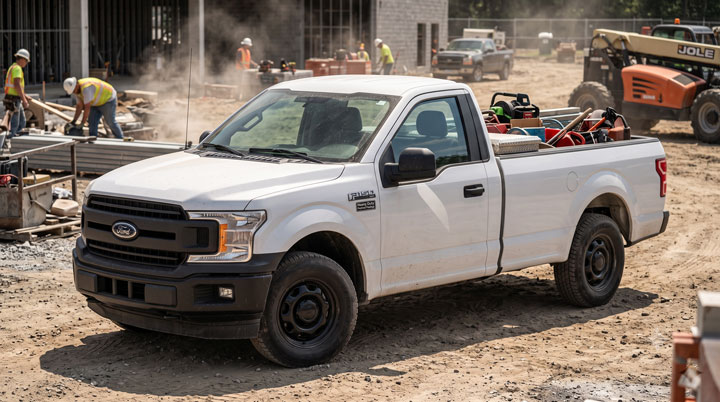
2. SuperCab 6.5-Foot Bed XL / XLT Workhorse
The SuperCab with a 6.5-foot box balances reasonable interior lockable storage with substantial rear cargo bed capacity.
It provides an ideal middle ground for small business owners needing rear seat room for tools or crew members.
This layout offers excellent bed support balance over the rear leaf springs without excessive rear overhang length.
However, rear suicide doors require opening the front doors first, which can prove clumsy in tight job-site spaces.
We often highlight this configuration as the best overall value for independent tradespeople needing reliable daily hauling power.
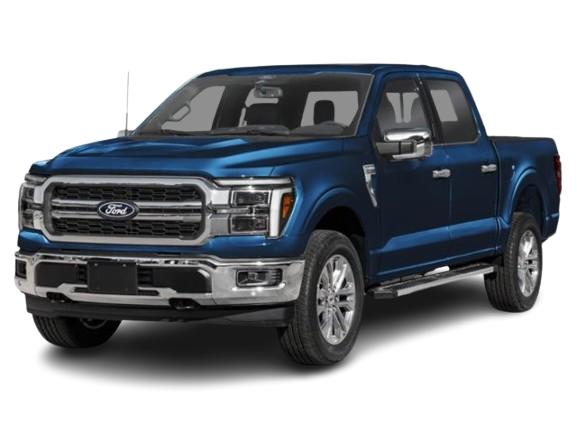
3. SuperCrew 5.5-Foot Bed Standard Lariat / King Ranch Setup
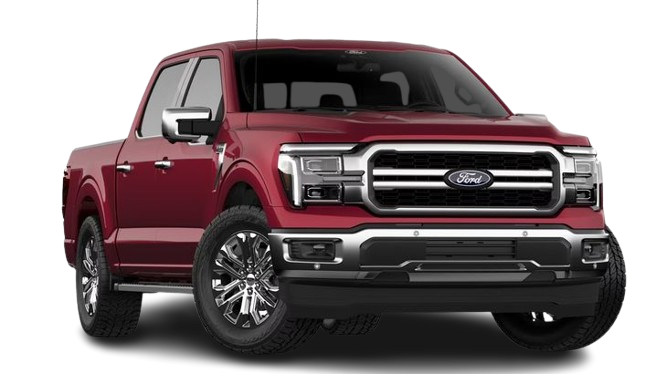
The SuperCrew 5.5-foot box remains the most popular consumer configuration sold across North American dealerships today.
It provides exceptional passenger comfort and spacious second-row legroom suitable for long cross-country family road trips.
It is best for daily commuters who haul recreational gear, camping supplies, or light hardware store materials on weekends.
The key limitation is that added cab steel and luxury amenities reduce available net bed payload capacity significantly.
Our mechanics advise owners to check their specific door jamb yellow sticker before loading dense construction material like wet pavers.
4. SuperCrew Platinum / Limited High-Option Luxury Trim
Luxury trims like Platinum and Limited feature premium leather massage seats, panoramic sunroofs, and power running boards.
These luxury amenities create a quiet interior, making long highway drives relaxed and effortless for driver and passengers.
This setup suits executives or towing enthusiasts who prioritize luxury cabin features over raw bed hauling limits.
The significant drawback is that heavy luxury accessories reduce net payload capacity, sometimes dropping available bed load under 1,400 pounds.
While competitor guides rarely mention trim weight penalties, we always emphasize weighing your loaded truck before making big hauling runs.
5. Ford F-150 PowerBoost Hybrid Bed Payload Configuration
The 3.5L PowerBoost Full Hybrid powertrain integrates an onboard electric generator system providing up to 7.2kW of mobile electricity.
This system allows tradespeople and campers to run heavy power tools, compressors, or appliances directly from bed outlets.
It is ideal for mobile job sites, remote camping setups, and emergency off-grid home power backup scenarios.
An honest limitation is that the 1.5kWh lithium-ion battery pack and hybrid electric motor add substantial curb weight to the chassis.
Our team recommends deducting the weight of heavy bed accessories when using hybrid models for heavy stone or soil hauling.
6. Air Lift / Firestone Air Helper Spring Kits
Aftermarket air helper spring kits mount between the truck frame rails and the rear solid axle housing.
Adjustable air pressure allows drivers to level out rear suspension sag when carrying full bed loads or tongue weight.
These kits are best for owners who frequently transition between light unladen commuting and heavy weekend hauling.
A key limitation is that helper air bags do not legally increase your vehicle’s factory Gross Vehicle Weight Rating (GVWR).
We remind owners that air bags improve handling stability and headlight aim, but your factory axle weight limit remains unchanged.
7. Add-a-Leaf Auxiliary Spring Kits & Heavy-Duty Bump Stops
Add-a-leaf kits introduce an additional tempered steel spring leaf into the existing rear leaf spring pack assembly.
This mechanical addition increases rear spring rate stiffness, reducing suspension compression under sudden dynamic bed impact loads.
It is best for dedicated work trucks carrying heavy stationary equipment like bed toolboxes, slip tanks, or commercial caps full time.
The tradeoff is a noticeably stiffer, firmer ride quality when driving the truck completely empty without cargo.
For detailed step-by-step suspension installation guides, check out our DIY vehicle maintenance articles at Bryan’s Garage.
Factory Bed Configurations & Upgrades Comparison
Compare key specs across popular truck configurations and load assistance options to choose the right setup for your needs.
| Configuration / Upgrade Option | Payload Potential | Ride Comfort (Empty) | Primary Application |
|---|---|---|---|
| Regular Cab 8ft (Heavy Duty) | Maximum (Up to ~3,300 lbs) | Firm / Commercial | Heavy commercial hauling and fleet service |
| SuperCab 6.5ft XL | High (Up to ~2,200 lbs) | Moderate / Firm | Independent contractor work and gear storage |
| SuperCrew 5.5ft Lariat | Moderate (Up to ~1,700 lbs) | Smooth / Balanced | Family road trips and moderate weekend utility |
| SuperCrew Platinum / Limited | Lower (Up to ~1,400 lbs) | Very Plush | Luxury commuting and light leisure towing |
| 3.5L PowerBoost Hybrid | Moderate (Up to ~1,800 lbs) | Smooth / Quiet | Mobile power generation and job-site utility |
| Air Helper Spring Kit | Levelling Only (No GVWR Boost) | Adjustable | Eliminating headlight aim creep and rear sag |
| Add-a-Leaf Auxiliary Spring | Stiffer Rate (No GVWR Boost) | Stiff / Rigid | Constant heavy bed loads and commercial caps |
Choosing the correct bed layout prevents accidental frame overload while protecting your drivetrain investment over the long haul.
To learn more about optimizing truck performance and preventing costly mechanical repairs, explore our practical resources at Bryan’s Garage.
GVWR, GAWR, and Curb Weight: The Engineering Math Behind Payload Limits
Understanding factory load ratings requires mastering three fundamental mechanical weight definitions used by chassis engineers.
Gross Vehicle Weight Rating represents the absolute maximum permissible total weight of the truck when fully loaded.
This rating accounts for the bare vehicle structure, fluids, driver, passengers, aftermarket accessories, and bed cargo.
Curb weight measures the complete vehicle weight with full fuel tanks and engine fluids, but without passengers or cargo.
Calculating maximum net payload requires subtracting actual curb weight from the factory stamped Gross Vehicle Weight Rating.
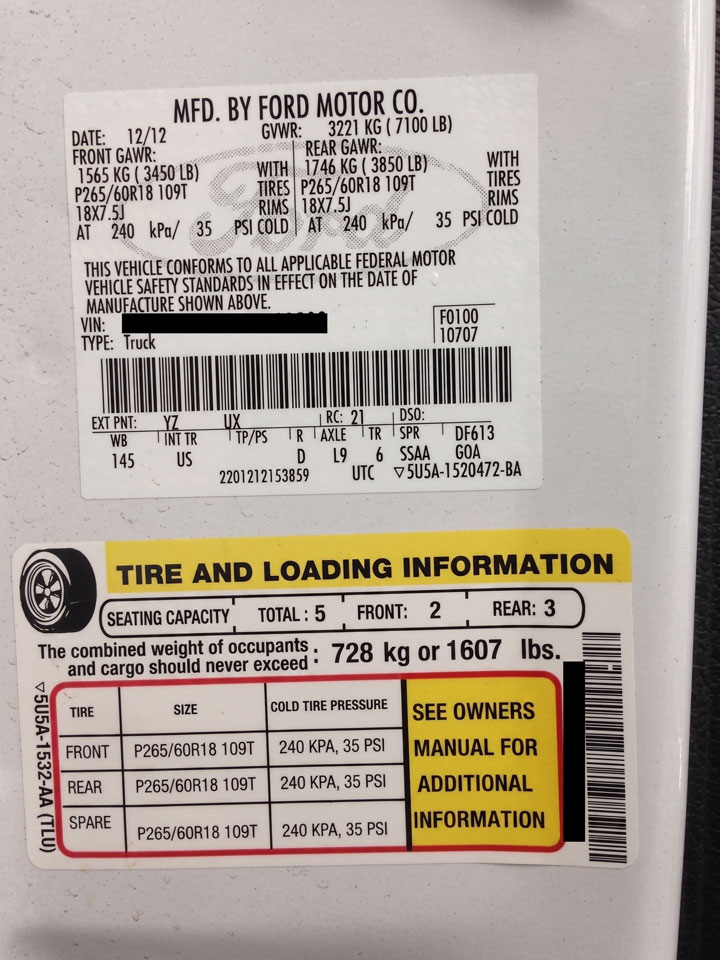
Every vehicle features a tire and loading information sticker placed inside the driver-side door pillar at the factory.
This yellow and white safety label specifies the exact combined weight limit for occupants and cargo for that specific truck.
In addition to overall vehicle ratings, engineers establish Gross Axle Weight Ratings for both front and rear axles.
The rear Gross Axle Weight Rating defines the maximum structural load capacity supported by rear wheel bearings, axle shafts, and leaf springs.
Even if total vehicle weight remains under total Gross Vehicle Weight Rating, placing dense cargo too far back can exceed rear axle capacity.
Automotive Service Excellence certified technicians always check axle weights using drive-over scales when troubleshooting recurring wheel bearing failures.
Exceeding axle weight thresholds creates high shearing forces along rear axle shaft splines and wheel hub flanges.
Understanding this balance helps truck owners haul heavy materials safely while avoiding stress-induced axle casing flex.
Trim Level Weight Penalties: Why Lighter XL Trims Out-Carry Luxury Platinum Models
A common point of confusion among truck buyers is why a basic work truck carries more weight than a luxury trim.
The explanation stems directly from curb weight additions created by optional luxury features installed at the factory assembly plant.
Basic XL trims feature lightweight vinyl flooring, manual seats, composite trim panels, and simplified electrical wiring harnesses.
In contrast, high-end Platinum or King Ranch trims add heavy electric seat motors, multi-contour massage modules, and thick sound dampening insulation.
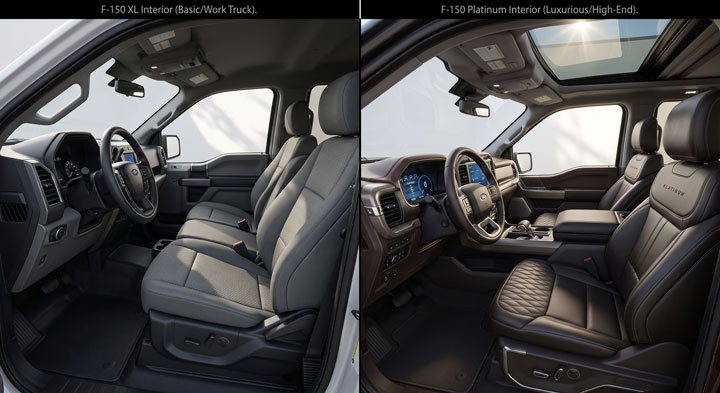
Optional dual-panel moonroof assemblies add over 60 pounds of tempered glass and motorized track mechanisms high up on the frame.
Power-deployable running boards, tailgate step assemblies, and upgraded speaker amplifiers add steady curb weight penalties across the chassis.
Because every extra pound of factory equipment increases curb weight, available f150 payload capacity drops by an equal amount.
Two trucks with identical frames, engines, and axle ratios can have payload capacity variances exceeding 600 pounds based on trim options alone.
The chart below illustrates typical curb weight additions and corresponding payload reductions across standard factory trim levels.
| Trim Level | Approximate Equipment Added | Curb Weight Impact | Typical Net Payload Impact |
|---|---|---|---|
| XL Base Spec | Standard cloth/vinyl, manual components | Baseline Weight | Highest Available Payload |
| XLT Mid Spec | Power seats, carpet, upgraded console | +80 to +120 lbs | Minor Payload Reduction |
| Lariat Luxury Spec | Leather seating, ambient lighting, power slider | +180 to +250 lbs | Moderate Payload Reduction |
| Platinum / Limited | Moonroof, power boards, massage modules, 20in wheels | +350 to +500 lbs | Significant Payload Reduction |
Evaluating factory trim weights allows buyers who need heavy hauling power to choose option packages intelligently.
For maximum utility, selecting lighter trim options preserves valuable margin for tools, equipment, and tongue weights.
Suspension Deflection, Rear Axle Stress, and Frame Fatigue Under Max Bed Loads
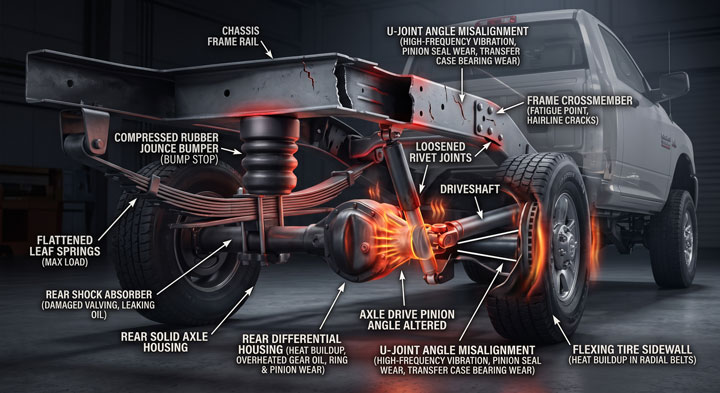
Subjecting a truck bed to heavy payload forces triggers distinct mechanical responses throughout the entire rear suspension system.
Under heavy loading, leaf springs flatten out from their natural arched shape to absorb downward gravitational force.
As spring leaves flatten completely, the suspension hits rubber jounce bumpers mounted directly above the axle tubes.
Riding continuously on bump stops transfers road shock forces straight into frame crossmembers without adequate spring dampening.
This solid impact transmission accelerates frame metal fatigue, loosens rivet joints, and damages rear shock absorber valving.
Severe rear suspension squat alters rear axle drive pinion angles relative to the transfer case output shaft joint.
Driveshaft u-joint angle misalignment creates high-frequency driveline vibrations that wear out pinion seals and transfer case bearings fast.
Continuous excessive weight also increases heat buildup inside the rear differential housing during long highway trips.
Overheated gear oil breaks down thermally, losing its film strength and accelerating ring and pinion gear tooth wear.
Excessive bed weight increases tire sidewall flex, generating excessive heat buildup inside radial steel tire belts.
At Team Bryan’s Garage, our mechanics recommend inspecting leaf spring bushings and axle seals after every heavy hauling season.