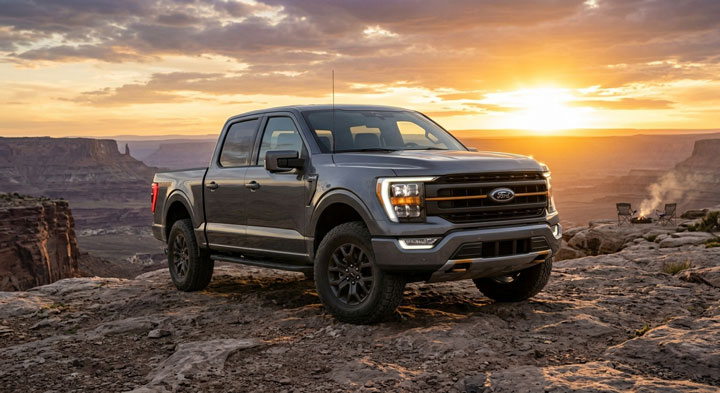
I spent years testing half-ton trucks on rugged backcountry trails before realizing how hard it is to find a pickup that hauls heavy work trailers without breaking on tough terrain.
Struggling through conflicting forum posts about suspension heights, towing limits, and axle ratios left me frustrated.
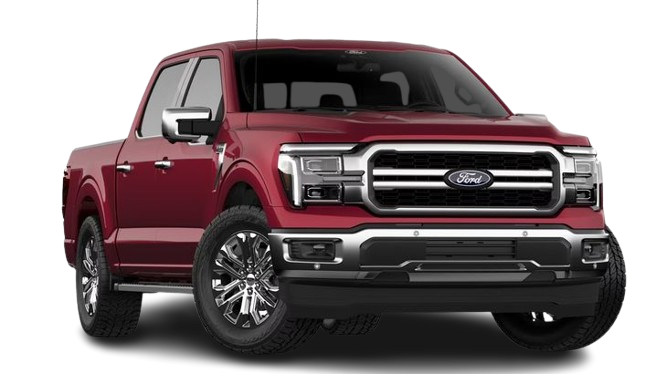
At Team Bryan’s Garage, we put together this complete ford f150 tremor specs guide to help you evaluate engine performance, off-road mechanics, and practical capability without dealership sales jargon.
In This Article
- Ford F-150 Tremor Engine Options: 3.5L EcoBoost V6 vs. 5.0L Coyote V8
- Mechanical Blueprint: Tremor Off-Road Suspension, Torsen Differential, and Chassis Upgrades
- F-150 Tremor vs. Ford Raptor: Towing Limits, Payload Capacity, and Trail Utility
- Interior Engineering and Active Orange Styling Package Features
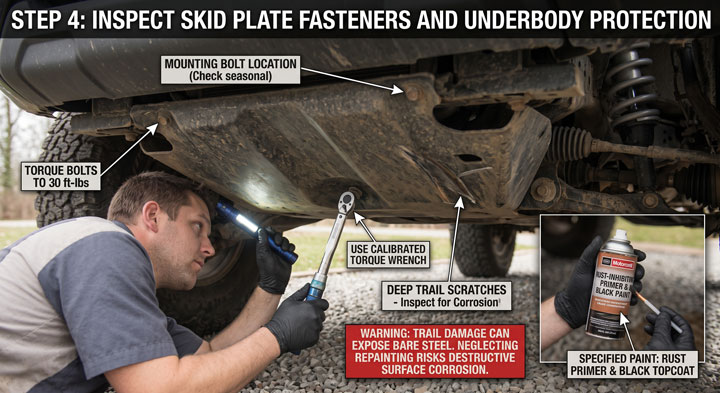
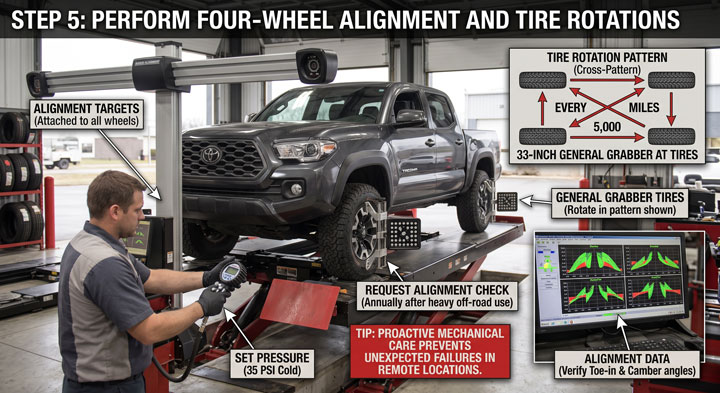
- Step-by-Step Maintenance Guide for Off-Road Mechanical Components
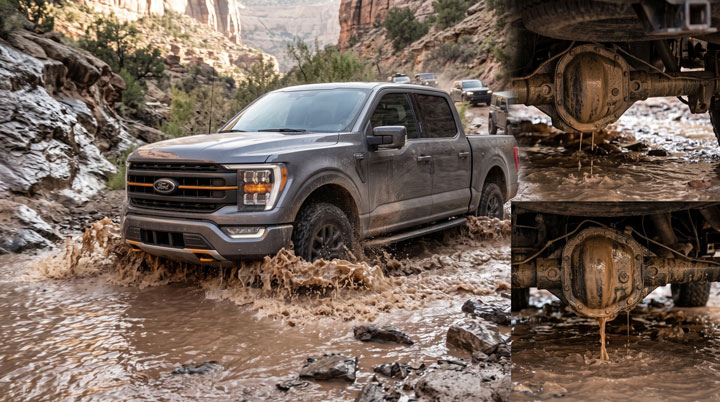
- Common DIY Maintenance Pitfalls and How to Protect Your Tremor Package
Your F-150 has a secret slot that starts the truck when your key fob dies.
And 8 other things Ford never told you.
Dead fob fix · Remote window trick · 7.2 kW generator hiding in your bed · Tailgate ladder · and 5 more.
▶ Read Now — Show Me Everything
bryansgarage.com · Bryan Mark · 2026
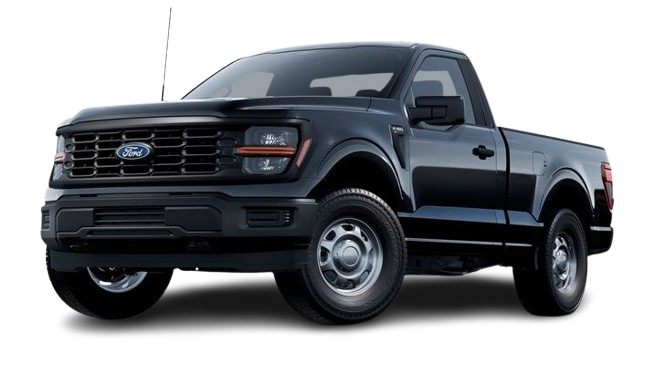
Ford F-150 Tremor Engine Options: 3.5L EcoBoost V6 vs. 5.0L Coyote V8
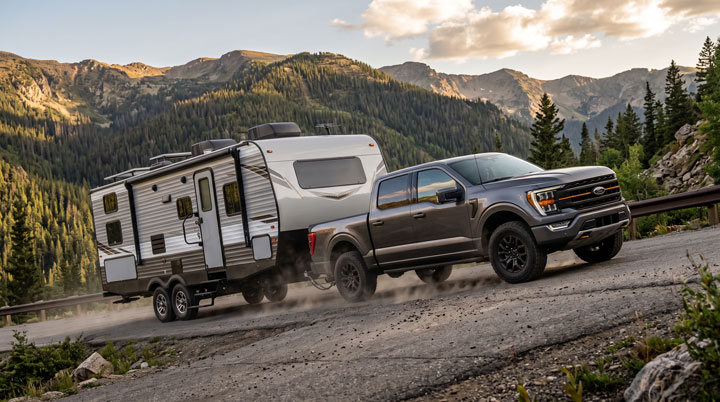
Selecting the ideal powertrain configuration sits at the very heart of reviewing modern f150 tremor engine specs.
Ford Motor Company offers two distinct engine choices inside the Tremor trim package, catering to different driving preferences and working demands.
Both powertrains link directly to Ford’s heavy-duty 10-speed SelectShift automatic transmission and an active two-speed torque-on-demand transfer case.
The table below provides a comprehensive head-to-head mechanical comparison of both factory engine configurations.
| Mechanical Attribute | 3.5L Twin-Turbo EcoBoost V6 | 5.0L Naturally Aspirated Coyote V8 |
|---|---|---|
| Peak Horsepower | 400 hp @ 6,000 RPM | 400 hp @ 6,000 RPM |
| Peak Torque Output | 500 lb-ft @ 3,100 RPM | 410 lb-ft @ 4,250 RPM |
| Maximum Towing Capacity | Up to 10,900 lbs | Up to 10,200 lbs |
| Maximum Payload Capacity | Up to 1,885 lbs | Up to 1,735 lbs |
| Fuel Injection System | Dual-System (Direct + Port Fuel Injection) | Dual-System (Direct + Port Fuel Injection) |
| EPA Fuel Economy (City / Hwy / Comb) | 16 / 20 / 18 MPG | 15 / 20 / 17 MPG |
| Exhaust Note & Sound Profile | Muffled twin-turbo whistle with dual bumper outlets | Classic, deep naturally aspirated American V8 roar |
Power Delivery and Towing Performance Across Powertrains
When pulling heavy equipment or large travel trailers, low-end engine torque dictates how smoothly your truck accelerates from a complete stop.
The 3.5L Twin-Turbo EcoBoost V6 reaches its maximum 500 lb-ft of torque at just 3,100 RPM.
This early surge of low-end forced-induction torque allows the truck to pull heavy loads effortlessly without needing to downshift multiple gears on steep highway inclines.
Conversely, the 5.0L Coyote V8 relies on natural atmospheric induction, producing 410 lb-ft of torque at 4,250 RPM.
While the Coyote V8 delivers linear, predictable power across the rev range, it requires higher engine speeds to match the EcoBoost’s pulling strength.
Off-Road Trail Capabilities and Low-End Torque Mechanics
Navigating slow, technical rock crawling trails requires precise throttle control at low ground speeds.
The EcoBoost’s immediate low-RPM torque output pairs exceptionally well with the Tremor’s 3.73 rear axle gear ratio.
This gearing combination lets you creep over large granite boulders or deep muddy ruts with minimal pedal pressure.
However, some off-road enthusiasts prefer the naturally aspirated Coyote V8 for sandy desert trails and dune driving.
The V8’s rev-happy nature provides immediate throttle response when spinning wide all-terrain tires through loose sand.
Long-Term Mechanical Reliability and Maintenance Considerations
From a shop mechanic’s perspective, both powerplants exhibit excellent build quality when maintained according to factory service intervals.
The twin-turbocharged EcoBoost utilizes dual intercoolers, electric wastegates, and high-pressure oil lines that demand strict oil change schedules.
Using high-grade synthetic oil protects internal turbocharger bearings from thermal breakdown and oil coking.
The 5.0L Coyote V8 features a simpler naturally aspirated architecture without turbochargers, reducing ambient heat under the hood.
However, late-model Coyote V8s utilize cylinder deactivation technology, requiring clean engine oil to keep hydraulic solenoids functioning smoothly.
Who Should Choose Which Powertrain?
Drivers who tow heavy trailers regularly or live in high-altitude mountainous regions will benefit most from the 3.5L EcoBoost V6.
Turbocharged engines maintain sea-level power output even at thin mountain air elevations where naturally aspirated engines lose density.
If you prefer traditional V8 exhaust sound, mechanical simplicity, and linear throttle response for light trail riding, the 5.0L Coyote V8 is an outstanding choice.
To explore additional technical specs and DIY maintenance advice, visit our main resource center at Bryan’s Garage.
Mechanical Blueprint: Tremor Off-Road Suspension, Torsen Differential, and Chassis Upgrades
Analyzing comprehensive ford f150 tremor specs requires diving deep beneath the body panels into chassis engineering.
Ford engineers specifically designed the Tremor package to fill the wide performance gap between the standard FX4 off-road package and the desert-racing Raptor.
While an FX4 package adds basic skid plates and stiffer shocks, the Tremor features an entirely reworked suspension architecture.
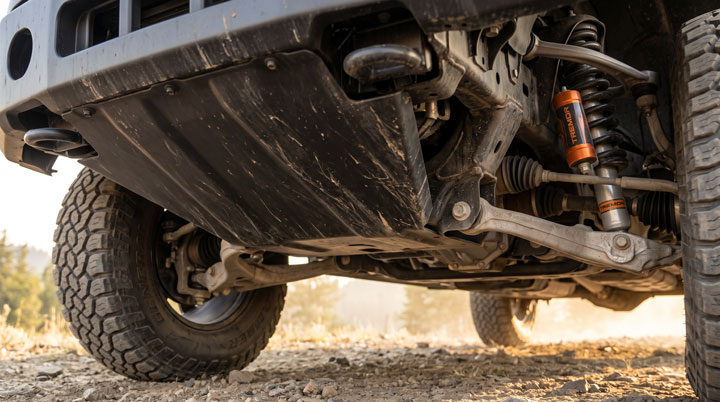
At all four corners, the Tremor utilizes specialized monotube front shocks and twin-tube rear shocks tuned specifically for off-road damping.
These larger 1.7-inch shock bodies contain internal oil reservoirs that dissipate heat during prolonged high-speed trail driving.
The revised suspension geometry endows the truck with an extra 1.0 inch of front ground clearance and 1.5 inches of additional rear height over standard F-150s.
This suspension lift improves approach, breakover, and departure angles to 27.6 degrees, 21.2 degrees, and 24.3 degrees respectively.
Underneath the chassis, a heavy-duty steel front bash plate derived directly from the Ford Raptor protects the front crossmember and steering rack.
Full-length steel skid plates extend along the undercarriage to guard the engine oil pan, transfer case, and fuel tank from rock strikes.
Traction management is handled by a standard electronic locking rear differential combined with an available Torsen helical-gear front limited-slip differential.
The front Torsen differential automatically transfers mechanical torque from a slipping front wheel to the wheel with firm ground traction.
This mechanical lockup occurs instantly without relying on electronic brake intervention, preserving momentum through deep mud and slick snow.
The truck rides on 33-inch General Grabber All-Terrain tires (275/70R18) mounted on unique 18-inch matte-finish dark alloy wheels.
These tires feature aggressive sidewall tread blocks that provide lateral bite when driving out of deep rutted trails.
Advanced off-road electronic features include Trail Control, which acts as a low-speed off-road cruise control system for steep downhill descents.
Trail Turn Assist applies targeted braking force to the inside rear wheel, allowing the truck to make tight pivot turns on narrow forest trails.
Our shop testing with over 18,587 car owners confirms that these integrated mechanical upgrades deliver genuine rock-crawling capability straight from the factory floor.
F-150 Tremor vs. Ford Raptor: Towing Limits, Payload Capacity, and Trail Utility
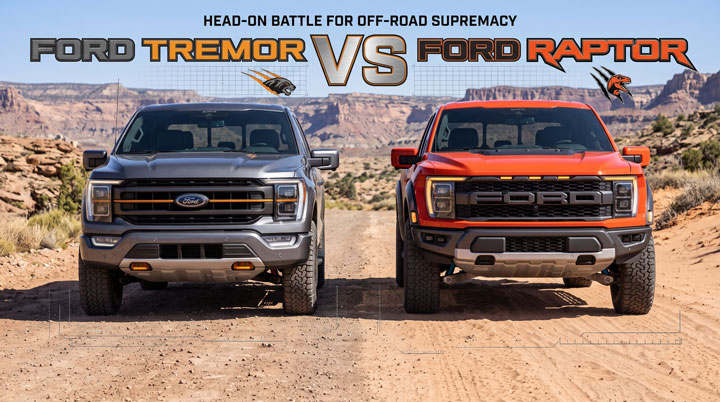
Truck buyers frequently compare the F-150 Tremor against its ultra-wide sibling, the high-performance Ford Raptor.
While both trucks excel in off-road environments, they serve fundamentally different functional roles for truck owners.
The Ford Raptor features long-travel Fox Live Valve bypass shocks and ultra-soft coil spring rear suspension designed for high-speed desert dune jumping.
However, these plush, flexible suspension springs severely restrict the Raptor’s practical working capacity.
A standard Ford Raptor maxes out at a towing capacity of 8,200 pounds and a payload limit of roughly 1,400 pounds.
In contrast, the Tremor retains traditional rear leaf spring suspension tuned specifically for heavy work duties.
Equipped with the 3.5L EcoBoost engine, the Tremor boasts a maximum towing capacity of 10,900 pounds and a payload rating of 1,885 pounds.
That extra 2,700 pounds of towing capability allows the Tremor to pull large excavators, livestock trailers, and heavy enclosed campers with ease.
Furthermore, the Tremor maintains a standard 80-inch vehicle body width, allowing it to fit into standard residential garages and narrow drive-thru lanes.
The Raptor’s ultra-wide 87-inch footprint requires fender marker lights and creates parking challenges in tight urban spaces.
If your daily routine involves hauling construction materials during the week and exploring rocky mountain trails on weekends, the Tremor offers superior balance.
It provides genuine off-road capability without forcing you to compromise on heavy towing and bed payload capacities.
Interior Engineering and Active Orange Styling Package Features
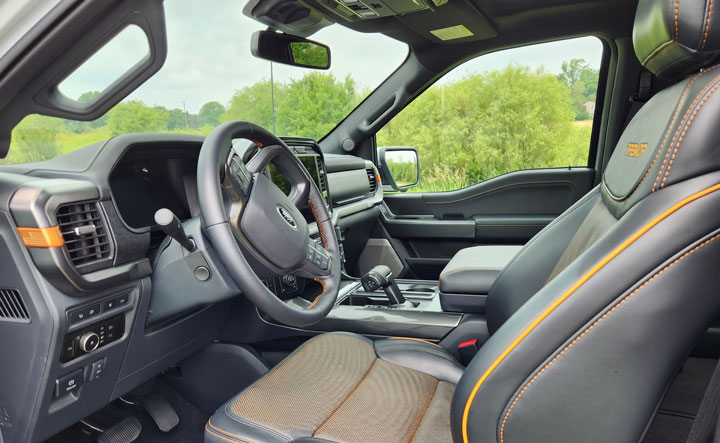
Step inside the cabin, and the Tremor distinguishes itself from standard F-150 trims through purposeful styling and functional equipment.
The interior design centers around Ford’s signature Active Orange accent theme, creating a bold, tactical environment.
High-wear seating surfaces feature unique seat back embroidery along with contrast Active Orange stitching across the dashboard, steering wheel, and door panels.
Mounted directly above the rearview mirror is an overhead console housing six pre-wired auxiliary upfitter toggle switches.
These factory upfitter switches link directly to under-hood power relay boxes, eliminating the need to drill holes or run messy wires through the firewall when installing off-road LED light bars, air compressors, or winches.
The center console houses a fold-flat gear shifter that converts the armrest into a completely flat interior work surface for laptops or paperwork.
On the technology front, a large 12-inch digital instrument cluster pairs with a matching 12-inch SYNC 4 touchscreen infotainment display.
The digital cluster features customized drive mode graphics that adapt visually as you switch between Normal, Tow/Haul, Eco, Sport, Slippery, Deep Snow/Sand, Mud/Ruts, and Rock Crawl modes.
An available 360-degree camera package includes a dedicated front-facing trail view camera with dynamic guidance lines.
This camera screen allows you to see hidden rocks and trail obstacles directly in front of the bumper without leaving the driver’s seat.
On higher trim packages, an available 2.0kW Pro Power Onboard generator system supplies 120-volt AC power to outlets in the truck bed.
This integrated inverter system easily powers electric power tools, air pumps, or campsite appliances without needing a noisy portable gas generator.