
Imagine this: You’re walking back to your car after running errands. The afternoon sun glints off the hood, highlighting… a fresh scratch. You pause, feel that pang of frustration, and mutter a few choice words under your breath.
Now, what if I told you that scratch could vanish, like it was never there? That’s the promise of self-healing coatings—a fascinating leap in automotive technology that’s as practical as it is futuristic.
Let’s dive into how this innovation works, why it’s making waves, and what it could mean for drivers like you.
The Everyday Frustration: Scratches and Dings
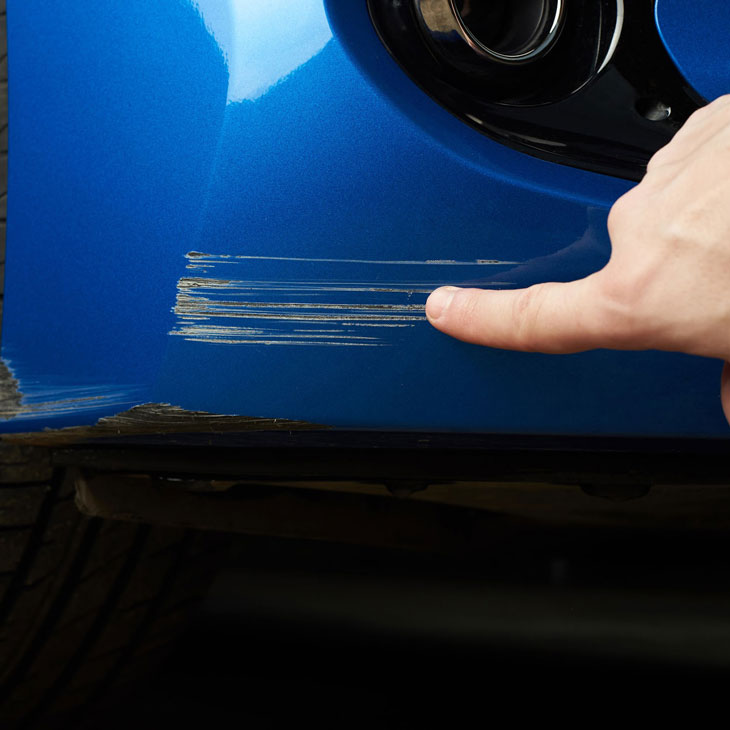
We’ve all been there. Maybe it was the crowded parking lot at the grocery store. Maybe your kid clipped the car with their bike.
Or perhaps you misjudged the distance from a rogue shopping cart. The result is the same: a scratch or ding that becomes a constant, nagging reminder every time you look at your car.
Sure, you can take it to a body shop for touch-ups or detailing, but those fixes are rarely cheap, and let’s be honest—who has time for that?
Scratches might seem minor, but over time, they pile up, making your once-pristine car look tired.
But what if the problem could solve itself? No calls to the repair shop, no bills, no inconvenience. Sounds too good to be true, right? Stick with me—it’s not.
What Are Self-Healing Coatings?
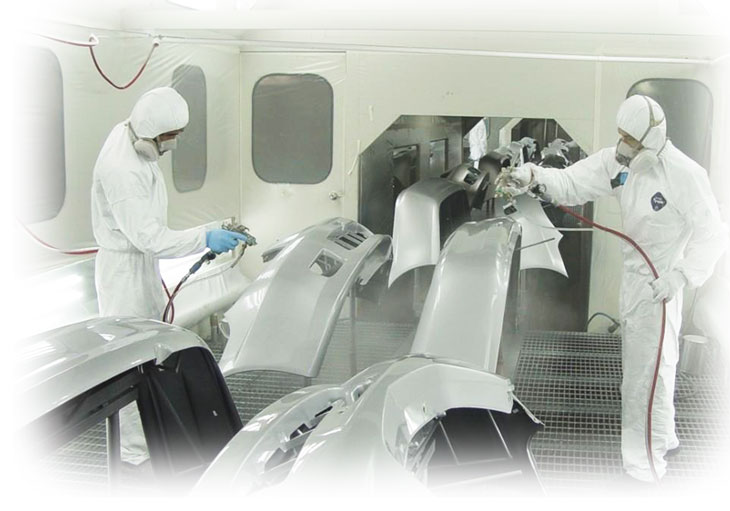
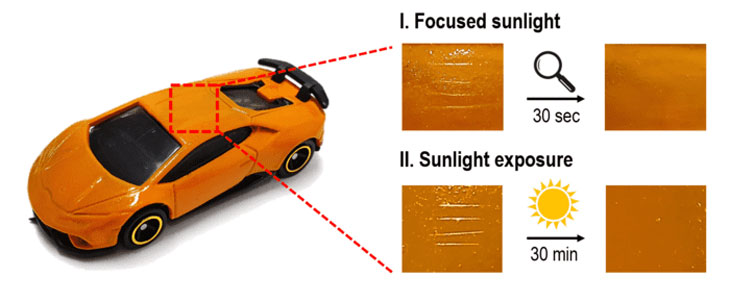
Let’s break it down. Self-healing coatings are exactly what they sound like: layers of specialized material applied to your car’s paint that can repair minor damage on their own.
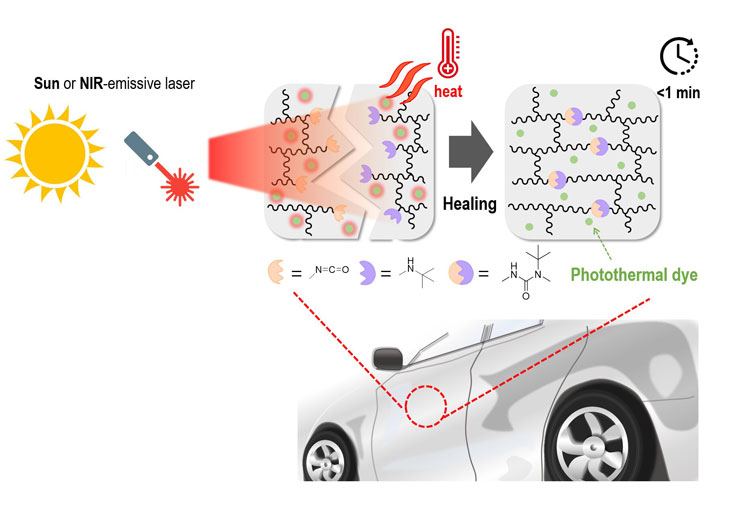
How? Through advanced polymers that react to heat, light, or even pressure to re-bind at a molecular level.
If that sounds like sci-fi, it’s because it kind of is. The inspiration comes from nature. Think about your skin—how it heals a cut over time.
Scientists took that concept and applied it to automotive surfaces, creating coatings that “heal” scratches as if the car itself were alive.
It’s not magic, but it might as well be. The real question is: how does this translate to real-life driving?
Real-Life Applications: A Game-Changer for Drivers
Picture this: You’re a busy dad juggling a million things. On a rushed morning, you squeeze into a tight parking spot.
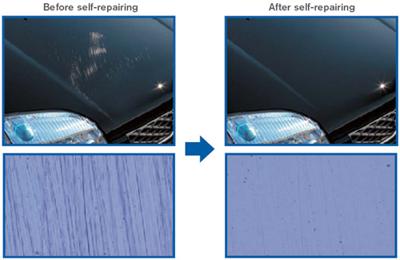
Later, you notice the inevitable scrape on the side mirror—but by the next day, it’s gone. No hassle, no repair bill.
Or maybe you’re a road-tripping adventurer, tearing through scenic gravel roads. You love the journey, but every pebble that hits your hood feels like an attack on your car’s finish.
With self-healing coatings, those chips and scratches could vanish under the sun as you enjoy the view.
This is more than just convenience. It’s peace of mind. You can focus on the drive, not the damage.
Benefits Beyond the Obvious
Sure, the big selling point is saving you from the headache of minor repairs. But the benefits don’t stop there.
- Cost Efficiency: Think of all the money you’d save on touch-ups and detailing over the life of your car.
- Long-Term Protection: A car with self-healing coatings maintains its showroom shine for years, keeping it looking sharp.
- Resale Value: When it’s time to sell, your scratch-free car stands out in the used market, fetching a better price.
- Eco-Friendly: Less reliance on chemical-heavy repair products means you’re doing the planet a favor, too.
It’s like having a built-in insurance policy for your car’s paint job—one that doesn’t require monthly premiums. But as with anything groundbreaking, there are some trade-offs.
Challenges and Limitations
No innovation is perfect, and self-healing coatings are no exception.
For starters, there’s the cost. Right now, this technology is mostly available in high-end cars or as a premium add-on, which might make it out of reach for the average driver.
And while it’s effective, the coatings aren’t invincible. Deeper scratches and dents still require traditional repairs.
Then there’s the question of longevity. Over time, exposure to elements like UV rays and extreme weather might degrade the coating’s effectiveness.
And while the idea of every car on the road having this feature is exciting, widespread adoption is still a few years away.
Still, it’s hard not to get excited about what this could mean for the future.
The Future of Automotive Design
Self-healing coatings are just the beginning. Imagine pairing this technology with smart systems that alert you to damage as it’s healing or cars that can auto-repair larger dents with embedded tech.
It’s not just about cars, either. Self-healing materials could extend to everyday items—your smartphone screen, kitchen countertops, even your sunglasses.
But for now, the spotlight is on the auto industry, where this innovation is already shaking up the status quo.
So, what does this mean for drivers today?
What It Means for You
For drivers, self-healing coatings represent more than just convenience. They’re a way to take control of your car’s upkeep, saving time and money while reducing stress. They make driving fun again—not a constant exercise in dodging every potential scratch.
And let’s not forget the cool factor. Your car could heal itself. That’s a story you’d want to tell at the next barbecue.

Conclusion
So, here we are—back to that scratch on your car. Except this time, you’re not sweating it. By the time you wake up tomorrow, it’s gone, like it never happened.
Self-healing coatings might sound futuristic, but they’re very much here. They’re a testament to how far automotive innovation has come and how much further it’s about to go.
The only question left is: Are you ready to drive into the future? After all, the road ahead just got a whole lot smoother.