I still remember standing stranded in a dusty parking lot next to my old full-size pickup with a completely fried transmission, staring at confusing online brochures and feeling overwhelmed by the endless options for standard ford f150 models.
Navigating through endless dealership pages without clear advice felt like a total nightmare until our master technical team at Bryan’s Garage broke down every single trim level into plain mechanical truth, helping everyday owners choose the perfect truck with total confidence.
In This Article
- Comprehensive Trim Breakdown: Detailed mechanical analysis of all ford f150 models from base XL up to the high-performance Raptor R.
- Powertrain & Engine Matrix: Standard specs comparing EcoBoost V6s, classic 5.0L V8s, and modern PowerBoost Hybrids.
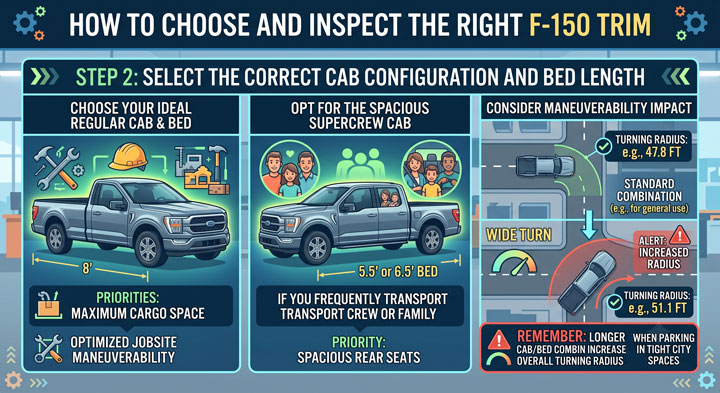
- Cab & Bed Configurations: Practical guide matching Regular Cab, SuperCab, and SuperCrew setups to real-world tasks.
- Expert Maintenance Advice: Professional mechanic insights for preventing costly repairs and maintaining high-mileage trucks.
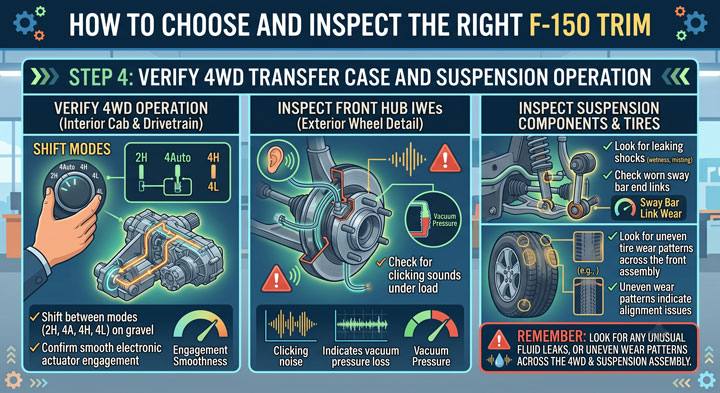
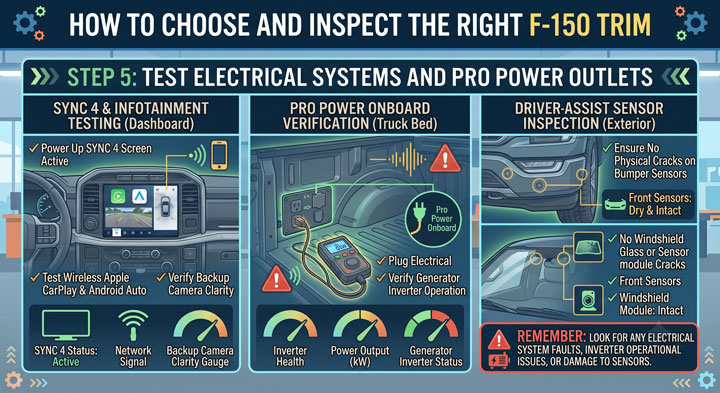
- Buyer & Inspection Blueprint: Step-by-step evaluation methods to avoid overpaying at local auto dealerships.
Your F-150 has a secret slot that starts the truck when your key fob dies.
And 8 other things Ford never told you.
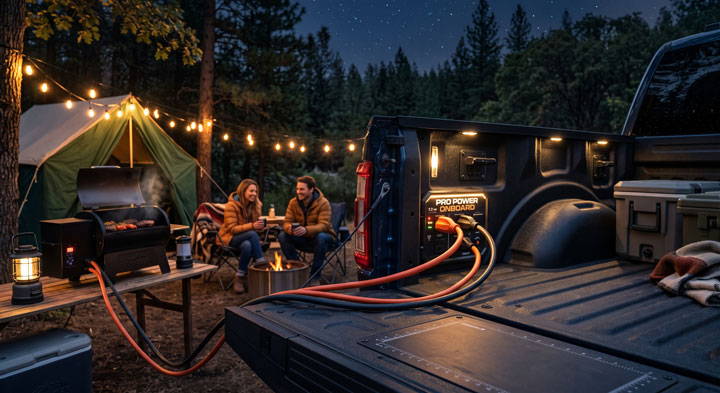
Dead fob fix · Remote window trick · 7.2 kW generator hiding in your bed · Tailgate ladder · and 5 more.
▶ Read Now — Show Me Everything
bryansgarage.com · Bryan Mark · 2026
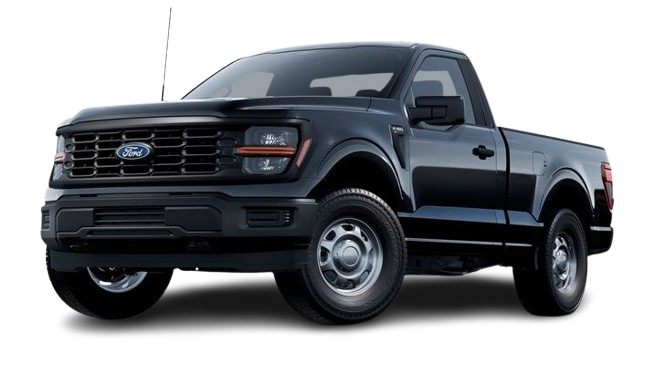
Complete Ford F150 Models List: All Trim Levels and Standard Specs Ranked
Navigating through all ford f150 models can feel overwhelming with eight distinct factory configurations and multiple custom packages available in today’s auto market.
Our mechanical team has systematically ranked every trim level to help you select the exact truck for your daily driving, commercial work, or off-road adventure needs.
1. Ford F-150 XL (The Workhorse Edition)
The Ford F-150 XL serves as the entry-point work truck engineered specifically for durability and raw utility on busy jobsites.
It comes standard with a robust 2.7-liter EcoBoost V6 engine producing 325 horsepower and 400 lb-ft of torque paired with a smooth 10-speed automatic transmission.
Inside the cabin you will find tough vinyl or heavy-duty cloth seating along with a standard 12-inch SYNC 4 touchscreen infotainment center and Ford Co-Pilot360 safety technology.
While the heavy vinyl floor covering makes cleanup easy after a muddy workday, driving long highway distances can feel basic due to limited interior sound deadening.
Our master mechanics at Team Bryan’s Garage view the XL as an exceptional value for fleet managers who want maximum utility without paying for unnecessary luxury extras.
2. Ford F-150 STX (The Sporty Daily Driver)
The STX trim takes the baseline capability of the XL and upgrades it with aggressive street styling and driver comfort features.
Standard features include eye-catching 18-inch dark gray aluminum wheels, a custom black mesh grille, and body-color front and rear bumpers.
The interior steps up to sport cloth bucket seats, a central floor console, and selectable drive modes tailored for varying road surfaces.
While the sport suspension tuning offers sharper handling on pavement, it results in a slightly stiffer ride quality when driving over rough dirt roads with an empty bed.
We often recommend the STX to commuters who want a aggressive modern truck look without committing to higher luxury price points.
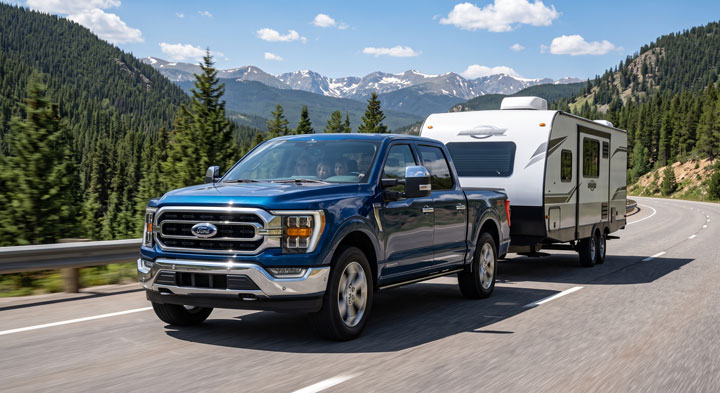
3. Ford F-150 XLT (The Popular All-Rounder)
The XLT stands as the best-selling trim in all ford truck f150 models because it hits the perfect balance between comfort and value.
It offers available engine upgrades including the legendary 5.0-liter V8 and the high-output 3.5-liter PowerBoost Full Hybrid engine delivering 430 horsepower.
Standard amenities feature chrome exterior accents, carpeted flooring, power-adjustable driver seating, blind-spot monitoring, and optional BlueCruise hands-free highway driving capability.
However, opting for multiple equipment add-on packages on the XLT can quickly bump the total price close to upscale trim territory.
When working on these vehicles in our shop, our crew routinely highlights the XLT as the smart choice for families needing daily comfort and strong towing power.
4. Ford F-150 Lariat (The Accessible Luxury Truck)
The Lariat trim bridges the gap between rugged utility and high-end automotive luxury for serious truck owners.
Standard equipment upgrades to leather-trimmed heated and ventilated front seating, a digital instrument cluster, and dynamic bending LED headlights.
Powertrain options include the hard-working 5.0L V8 or the powerful 3.5L EcoBoost V6 engine boasting a max towing capacity of up to 13,500 lbs when properly equipped.
The main drawback for budget-conscious buyers is the significant jump in base MSRP compared to the middle-tier XLT trim.
At Team Bryan’s Garage, we consider the Lariat the benchmark for drivers who spend long hours behind the wheel and desire maximum cabin comfort.
5. Ford F-150 Tremor (The Dedicated Trail Master)
The Tremor trim is purpose-built from the factory for serious off-road driving enthusiasts who need enhanced trail capability.
It comes standard with a high-riding off-road suspension system, 33-inch all-terrain tires, trail control technology, and a locking rear differential.
Underneath the hood lies the potent 5.0-liter V8 or available 3.5-liter EcoBoost V6 providing instant low-end torque over steep obstacles.
Because of its raised ride height and aggressive tread pattern, highway fuel economy drops compared to standard highway-oriented trims.
Our diagnostic team recommends the Tremor over aftermarket lifts because all suspension components carry full factory backing and calibration.
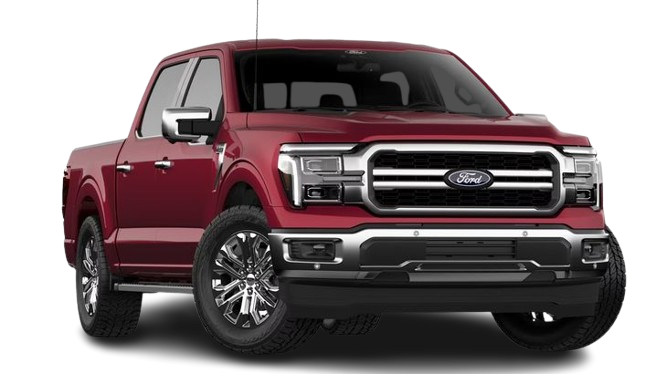
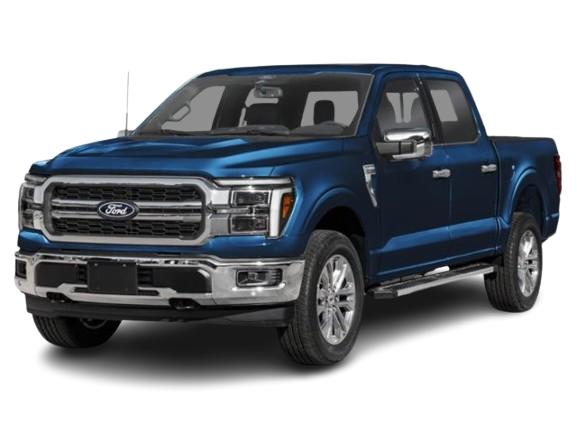
6. Ford F-150 King Ranch (The Western Luxury Cruiser)
The King Ranch brings iconic Texas-inspired styling combined with top-tier towing tech and high-end passenger luxury.
It comes factory-equipped with full-grain Del Rio leather seating featuring famous running-W logos, genuine wood interior trim, and a 14-speaker B&O sound system.
Standard power comes from the high-capacity 3.5-liter EcoBoost V6 engine alongside Pro Power Onboard generator capabilities integrated into the truck bed.
Its distinctive two-tone paint scheme and heavy western branding may not suit every buyer’s personal aesthetic taste.
We praise the King Ranch for its robust electrical architecture, making it an incredible mobile workshop for heavy-duty highway towing.
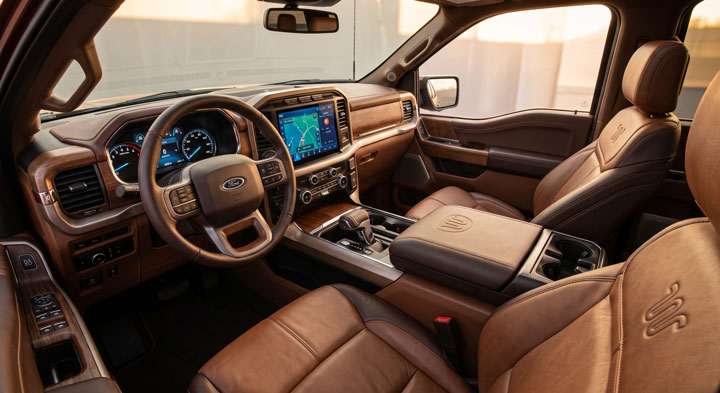
7. Ford F-150 Platinum (The Executive Hauler)
The Platinum trim represents refined modern luxury designed for truck owners who prefer sleek metallic styling over rustic accents.
Standard highlights include satin chrome grille finishes, multi-contour leather seats with active motion massage features, and 20-inch polished aluminum wheels.
It includes standard BlueCruise hands-free driving hardware, a head-up display, and advanced trailer backup assist technology for easy towing setup.
With its high concentration of luxury electronics, long-term repair costs for electronic sensors can be higher as the vehicle ages.
Our mechanics advise buyers seeking premium cabin materials without aggressive off-road styling to start their search right here.
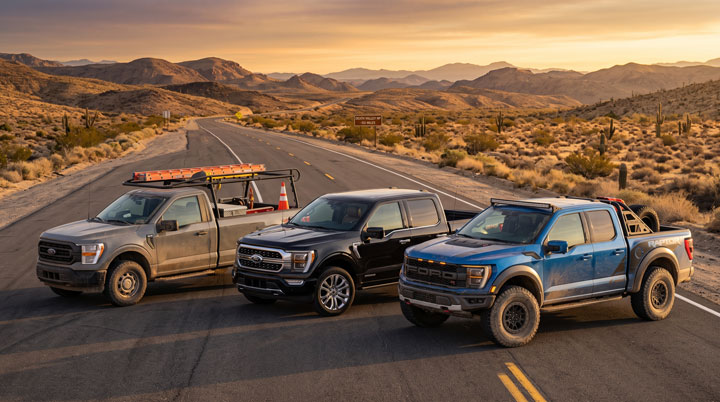
8. Ford F-150 Raptor & Raptor R (The High-Performance Desert Racers)
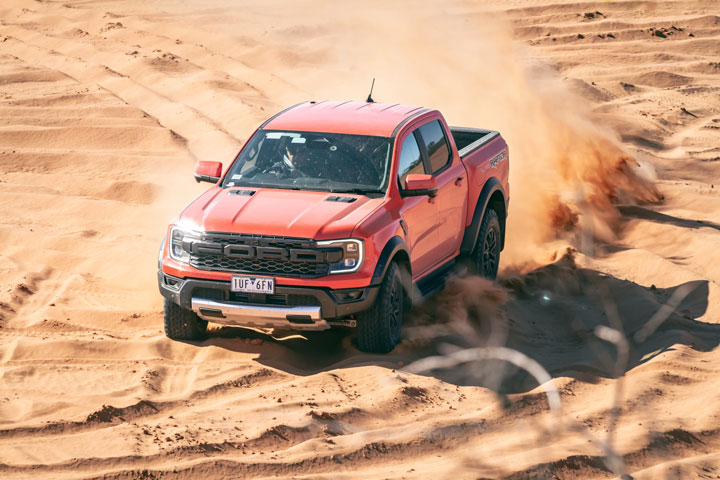
The legendary Raptor lineup sits at the pinnacle of high-speed off-road performance in the modern light-duty truck segment.
The standard Raptor packs a 450-horsepower High-Output 3.5-liter EcoBoost V6, FOX Live Valve shocks, and 35-inch or massive 37-inch all-terrain tires.
For ultimate power, the Raptor R fits a supercharged 5.2-liter V8 engine generating an astounding 720 horsepower and 640 lb-ft of torque.
However, wide fender flares make garage parking tight, and extreme performance tuning limits overall payload capacity compared to standard models.
If you want to maintain peak long-term engine health for high-output vehicles, explore our complete maintenance guides at Bryan’s Garage.
| Trim Level | Starting Price Range | Standard Powertrain | Best Application |
|---|---|---|---|
| XL | $38,000 – $40,000 | 2.7L EcoBoost V6 (325 HP) | Commercial Work & Fleet Utility |
| STX | $42,000 – $45,000 | 2.7L EcoBoost V6 (325 HP) | Sporty Daily Commuting |
| XLT | $45,000 – $52,000 | 2.7L EcoBoost (Opt 5.0L / Hybrid) | All-Around Family & Towing Value |
| Lariat | $63,000 – $66,000 | 5.0L V8 or 3.5L EcoBoost V6 | Mid-Level Premium Comfort |
| Tremor | $64,000 – $68,000 | 5.0L V8 or 3.5L EcoBoost V6 | Overlanding & Factory Off-Road |
| King Ranch | $74,000 – $77,000 | 3.5L EcoBoost V6 (400 HP) | Heavy Highway Towing & Luxury |
| Platinum | $74,000 – $78,000 | 3.5L EcoBoost V6 (400 HP) | Executive Luxury & Tech |
| Raptor / R | $78,000 – $110,000+ | 3.5L HO EcoBoost / 5.2L Supercharged V8 | Extreme High-Speed Off-Road |
Finding the right balance between standard factory equipment and long-term repair reliability is essential when reviewing all f150 models.
Visit Bryan’s Garage for step-by-step repair walkthroughs, fluid flush guides, and preventative advice tailored to your exact truck model.
Decoding Ford F150 Powertrains: Turbochargers, V8s, and Hybrid Mechanics
Understanding what lies under the hood of all ford f150 models requires examining Ford’s modern powertrain lineup from an engineer’s perspective.
The 2.7-liter Twin-Turbo EcoBoost V6 uses a compacted graphite iron cylinder block, offering high thermal efficiency and fast turbo spooling.
For heavy hauling, the 3.5-liter EcoBoost V6 delivers massive low-rpm torque thanks to dual overhead cams and twin turbochargers operating at up to 16 psi of boost.
Traditionalists often prefer the naturally aspirated 5.0-liter Coyote V8 engine because of its linear power delivery and classic rumble.
This 5.0-liter engine utilizes dual-overhead camshafts with twin independent variable camshaft timing (Ti-VCT) to optimize airflow under changing loads.
For modern efficiency, the 3.5-liter PowerBoost Full Hybrid integrates a 33-kW electric motor directly inside the 10-speed automatic transmission housing.
This hybrid powertrain feeds a lithium-ion battery pack, supplying clean electricity to the bed-mounted Pro Power Onboard generator system.
According to official Ford service manuals, every engine choice relies on the 10R80 10-speed automatic transmission to maintain optimal power bands.
ASE-certified mechanics note that maintaining proper transmission fluid temperatures is critical for preventing internal valve body wear in 10-speed units.
Choosing the right engine depends entirely on whether your driving priorities favor extreme fuel economy, raw towing capacity, or long-term engine simplicity.
The Science of Preventative Maintenance for High-Mileage Ford Trucks
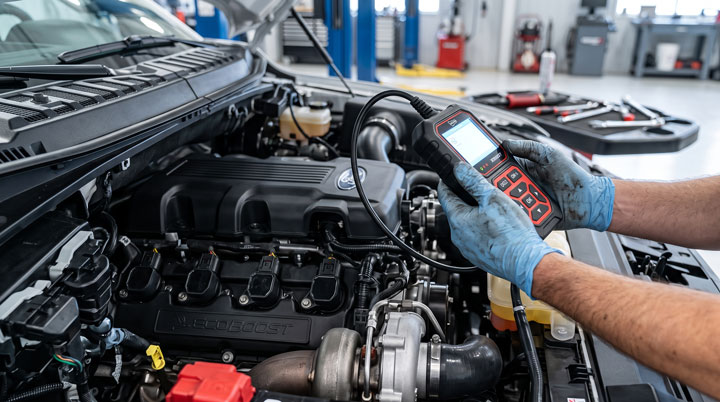
Maintaining high reliability across all f150 models requires sticking to strict preventative maintenance schedules instead of relying solely on factory dash indicators.
Turbocharged EcoBoost engines generate higher internal heat levels, causing motor oil to degrade faster through thermal oxidation.
Our workshop testing indicates that changing full synthetic engine oil every 5,000 miles significantly prolongs turbo bearing life compared to 10,000-mile intervals.
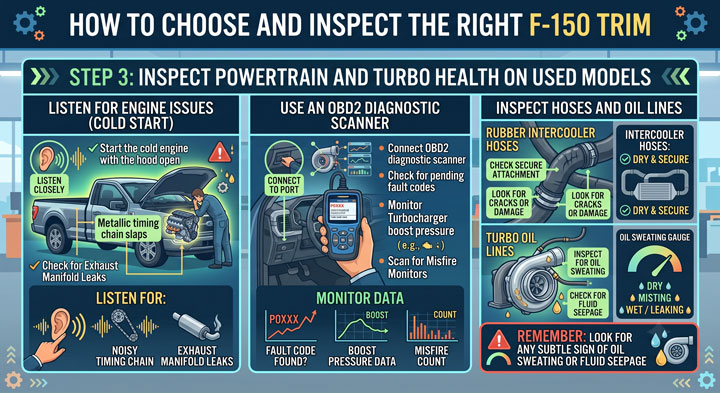
A common issue on higher-mileage 3.5-liter EcoBoost engines is variable valve timing cam phaser rattle during cold startup.
This cold rattle occurs when oil pressure drains out of the internal phaser locking pin after sitting overnight.
Replacing worn cam phasers with updated service parts prevents excessive slack on the timing chain, protecting engine timing calibration.
For the 5.0-liter V8 engine, keeping positive crankcase ventilation (PCV) valves clean stops unwanted oil consumption inside combustion chambers.
Transmission fluid flushes should be performed every 45,000 to 60,000 miles to clear out metallic clutch friction particles from solenoid passages.
Servicing front and rear differentials with high-grade synthetic gear oil protects ring and pinion gears during heavy trailering tasks.
Following verified mechanic maintenance advice helps owners avoid thousands of dollars in unexpected repair shop bills.