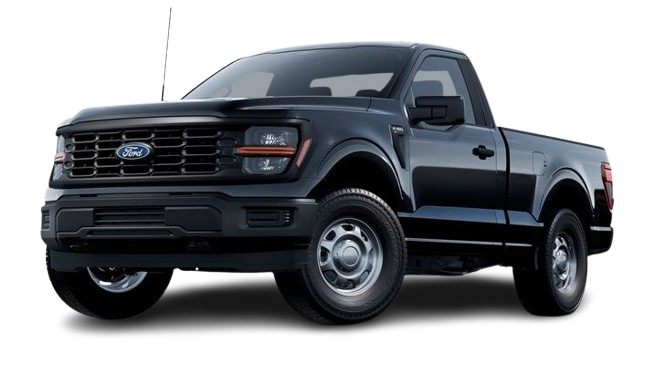
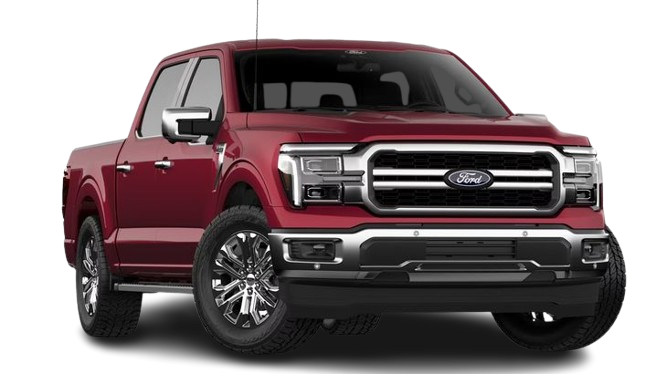
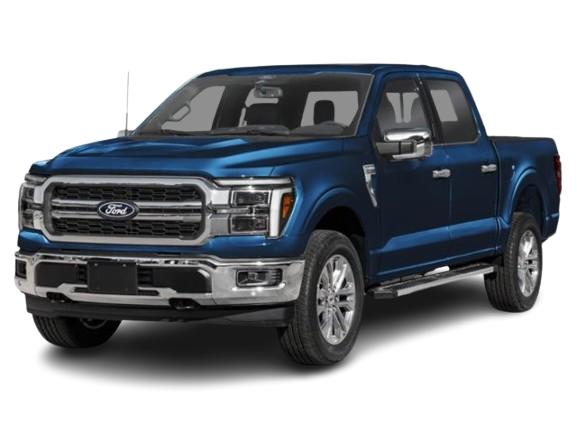
I still remember the sinking feeling in my stomach when my Ford F-150 began swaying uncontrollably on a rain-slicked highway with our heavy camper attached.
I had blindly assumed my truck could handle anything without checking the true ford f150 trailer hitch weight limits and tongue weight thresholds.
That harrowing experience drove me to master vehicle towing physics, and today at Team Bryan’s Garage, we share these crucial towing specs so you can haul safely and save thousands on potential vehicle damage.
Ford F150 Trailer Hitch Weight Limits and Specs
In This Article
Understanding standard weight-carrying versus weight-distributing receiver limits.
Comparing Ford F-150 hitch specs across Class III and Class IV receiver ratings.
How tongue weight directly impacts your truck’s payload and front axle steering safety.
Step-by-step instructions to calculate exact tongue weight and select the right hitch drop height.
Expert recommendations on towing accessories, sway bars, and preventing structural receiver failure.
🔴 MOST OWNERS NEVER FIND THIS
Your F-150 has a secret slot that starts the truck when your key fob dies. And 8 other things Ford never told you.
Dead fob fix · Remote window trick · 7.2 kW generator hiding in your bed · Tailgate ladder · and 5 more.
What Are the Ford F150 Trailer Hitch Weight Limits and Specs? Mechanics Explain
Understanding Ford F-150 trailer hitch weight limits starts with knowing your factory receiver’s capacity and your truck’s payload rating.
Most factory Class III and Class IV receivers are rated for up to 5,000 pounds of trailer weight and 500 pounds of tongue weight with a standard ball mount. With a weight distribution hitch, capacity can increase to 11,600–14,000 pounds, with tongue weight ratings reaching 1,400 pounds on Max Trailer Tow Package models.
Ford F150 Trailer Hitch Weight Limits and Specs
Exceeding these limits can unload the front axle, causing reduced steering control, trailer sway, and excessive frame stress.
Before towing, check the hitch receiver label and driver-side door-jamb payload sticker for your exact vehicle. Remember that passengers, cargo, accessories, and tongue weight all count toward your available payload.
Never rely solely on brochure ratings. Use the lowest applicable rating and, for heavy loads, verify your fully loaded setup at a certified scale.
Properly understanding these limits helps protect your suspension, hitch, and drivetrain while keeping your F-150 stable on the road.
Demystifying the Ford F150 Receiver Hitch Class and Weight Dynamics
Ford F150 Trailer Hitch Weight Limits and Specs
To safely tow with a half-ton pickup, you must understand your ford f150 receiver hitch class and its structural limits.
Ford equips most F-150 trucks from the factory with a 2-inch square receiver hitch rated under Class III or Class IV standards.
A Class III hitch receiver handles light-to-medium utility trailers up to 5,000 pounds.
A Class IV hitch receiver supports heavy travel trailers, boats, and equipment trailers up to 10,000 pounds or more.
The receiver hitch acts as a mechanical lever attached directly to the truck frame.
When a heavy trailer rests on the hitch ball, downward force presses on the rear axle.
This downward force is known technically as tongue weight.
Standard weight-carrying hitches transfer 100 percent of this tongue weight onto the rear axle.
This transfer unweights the front tires and reduces steering responsiveness.
In contrast, a weight distribution hitch uses rigid steel spring bars to lever the load forward.
This system redistributes weight back onto the front steer axle and across the trailer axles.
By leveling the truck frame, you restore essential braking traction and front suspension stability.
That mechanical transfer is precisely why Ford increases the receiver’s rated capacity when a weight distribution hitch is attached.
Mechanic Insight: Always locate the safety sticker affixed directly under the frame of your factory receiver tube. That metal tag specifies exact weight-carrying and weight-distributing weight caps for your exact build.
Ford F-150 Hitch Weight Limits & Specifications by Engine and Package
Towing limits vary across different Ford F-150 model years, trim levels, and factory option packages.
Knowing your f150 towing hitch weight limits ensures you stay within legal manufacturer boundaries.
The table below summarizes standard factory receiver specs across recent F-150 configurations:
F-150 Towing Configuration
Max Weight-Carrying Capacity (Trailer / Tongue)
Max Weight-Distributing Capacity (Trailer / Tongue)
Standard Factory 2″ Receiver (2.7L EcoBoost V6)
5,000 lbs / 500 lbs
7,700–8,400 lbs / 770–840 lbs
Standard Factory 2″ Receiver (5.0L V8 / 3.5L EcoBoost)
5,000 lbs / 500 lbs
11,600 lbs / 1,160 lbs
Max Trailer Tow Package (Reinforced 2″ Receiver)
5,000 lbs / 500 lbs
13,500–14,000 lbs / 1,350–1,400 lbs
3.5L PowerBoost Full Hybrid V6 Setup
5,000 lbs / 500 lbs
11,000–12,400 lbs / 1,100–1,240 lbs
F-150 Raptor Performance Off-Road Setup
5,000 lbs / 500 lbs
8,200 lbs / 820 lbs
Ford F150 Trailer Hitch Weight Limits and Specs
Notice that without a weight distribution hitch, almost every F-150 model is capped at 5,000 pounds gross trailer weight.
This 5,000-pound cap applies regardless of whether you drive an XL work truck or a fully optioned Limited trim.
The 3.5L EcoBoost engine paired with the Max Trailer Tow Package offers the highest overall receiver rating.
The PowerBoost Hybrid model delivers incredible torque but features a slightly lower payload due to battery weight.
Always inspect your vehicle’s Gross Combined Weight Rating (GCWR) before planning long journeys.
Team Bryan’s Garage strongly advises weighing your fully loaded rig on a commercial CAT scale.
How Tongue Weight Mechanics Impact Payload and Front Axle Safety
Ford F150 Trailer Hitch Weight Limits and Specs
Tongue weight is one of the most misunderstood concepts in light-truck towing.
Ideal tongue weight should equal 10 to 15 percent of your total loaded trailer weight.
If your loaded travel trailer weighs 7,000 pounds, your tongue weight should rest between 700 and 1,050 pounds.
If tongue weight drops below 10 percent, the trailer will experience violent high-speed sway.
If tongue weight exceeds 15 percent, the rear axle becomes severely overloaded.
Every single pound of tongue weight counts directly against your truck’s payload capacity.
Payload includes driver weight, passenger weight, bed cargo, aftermarket tools, and hitch hardware.
If your F-150 door decal lists a maximum payload limit of 1,800 pounds, a 1,000-pound tongue weight leaves only 800 pounds for people and gear.
Exceeding payload causes your rear leaf springs to sag, bottoming out bumper stops.
Excessive rear sag changes headlight alignment and blinds oncoming drivers at night.
More importantly, rear sag lifts the front tires, reducing front braking efficiency by up to thirty percent.
Practical Step-by-Step Guide: Selecting, Setting Up, and Measuring Your Hitch
Properly setting up your Ford F-150 trailer hitch guarantees smooth, level, and safe highway towing.
Follow this step-by-step procedure developed by our master mechanics at Bryan’s Garage:
Step 1: Check Door Jamb and Receiver Decals
Locate the tire and loading sticker inside your driver door frame to confirm your available payload capacity.
Next, crawl under the rear bumper to read the manufacturer sticker on the hitch receiver tube.
Record the maximum weight-carrying and weight-distributing limits stamped on that decal.
Never exceed the lowest rating found on either vehicle label.
Step 2: Measure Baseline Vehicle Ride Height
Park your truck on a completely flat, level concrete pad with empty bed cargo. Use a tape measure to record height from ground to front wheel arch center.
Record the exact height from ground to rear wheel arch center as well.
These baseline measurements will serve as your benchmark when adjusting hitch bar tension.
Ford F150 Trailer Hitch Weight Limits and Specs
Step 3: Determine the Correct Hitch Ball Drop or Rise Height
Level your trailer on flat ground using its front tongue jack. Measure from the ground to the top inside edge of the trailer coupler.
Measure from the ground to the top inside edge of your truck’s hitch receiver.
Subtract coupler height from receiver height to determine the exact required ball drop distance.
Buying an adjustable drop ball mount allows quick corrections for different loaded trailers.
Use trailer jack to raise both truck rear bumper and trailer coupler together.
Attach weight distribution torsion bars to head unit and trailer frame brackets. Lower jack to tension spring bars and transfer load across both vehicle axles.
Step 5: Verify Final Measurements and Safety Hardware
Measure front and rear wheel arch heights again on level ground.
Your front wheel arch height should return within one-half inch of original baseline measurement.
Cross safety chains beneath drawbar to catch coupler if unlatched.
Insert a hardened 5/8-inch hitch pin with a heavy-duty steel safety clip. Connect 7-pin electrical harness and test brake controller functionality before driving.
Taking time to execute these setup steps prevents premature component wear and protects your family on the road.
For additional step-by-step DIY towing guides and maintenance advice, visit Bryan’s Garage anytime.
Overcoming Towing Risks and Common Receiver Setup Mistakes
Ignoring trailer hitch limits introduces severe mechanical and safety risks on high-speed roadways.
One of the most dangerous mistakes is towing a 7,000-pound trailer using a standard weight-carrying ball mount.
Drivers assume that because their engine produces massive horsepower, the hitch can manage any weight.
Power does not compensate for unbalanced weight leverage on a half-ton rear suspension.
Overloading receiver hitch tubes causes metal fatigue and structural hair-line cracking over time.
Another frequent error is installing incorrect hitch ball sizes on heavy trailers.
Always verify whether your trailer coupler requires a 2-inch or 2-5/16-inch hitch ball.
Using a 2-inch ball inside a 2-5/16-inch coupler can result in violent trailer detachment.
Rushing through hookup procedures often leads to improper safety chain attachment.
Always cross safety chains underneath the drawbar so they cradle the tongue during accidental disconnects.
Failure to use proper trailer brake controllers overheats truck service brakes during steep mountain descents.
Regular maintenance of hitch pin holes, receiver tubes, and mounting bolts eliminates dangerous slop and play.
Applying light lithium grease to hitch balls reduces friction noise and prevents galling wear.
Essential Accessories to Enhance Your F-150 Towing Experience
Ford F150 Trailer Hitch Weight Limits and Specs
Equipping your truck with high-quality towing accessories ensures smooth, hassle-free operation.
A certified weight distribution hitch with integrated friction sway control is the single best investment for travel trailers.
Integrated sway control friction pads actively suppress lateral trailer oscillation caused by passing semi-trucks.
A heavy-duty trailer brake controller synchronizes truck brakes with electric trailer drum brakes.
Installing an upgraded rear sway bar reduces body roll and improves stability during quick lane changes.
A dedicated tongue weight scale allows you to verify tongue weight before pulling out of your driveway.
Adjustable drop hitches constructed from aircraft-grade forged aluminum offer versatile drop height adjustments.
Locking hitch pins prevent costly drawbar theft when your vehicle is parked at boat ramps or campsites.
Extending towing mirrors eliminates blind spots along trailer sides, making highway merges far safer.
Maintaining air pressure inside trailer radial tires prevents blowout disasters under heavy summer heat.
🟢 Going viral on F150Forum & Reddit
“I’ve driven an F-150 for 4 years and didn’t know this existed.” — The most common reaction when this article is shared
9
features
2015+
models
11 min
read
Free
no signup
Did you know which button on your fob opens the tailgate when your hands are full? Or the button combo to reset CarPlay in 15 seconds without turning off the engine?
Q1: What happens if I exceed my Ford F-150 tongue weight limit? Exceeding tongue weight limits overloads your rear suspension, lowers rear ride height, and lifts front tires. This drastically reduces front tire traction, compromises steering control, extends stopping distances, and causes severe trailer sway. It can also bend factory hitch receiver frames or void vehicle warranty coverage.
Q2: Can I tow more than 5,000 lbs without a weight distribution hitch? No, Ford explicitly mandates using a weight distribution hitch for any conventional trailer trailer weight exceeding 5,000 pounds. Standard ball mounts used above 5,000 pounds exceed the weight-carrying threshold printed on your receiver tag.
Q3: What hitch receiver size comes standard on a Ford F-150? Most Ford F-150 trucks come equipped from the factory with a standard 2-inch square receiver hitch opening. Max Trailer Tow Package models feature reinforced 2-inch receiver assemblies engineered for higher weight-distributing loads.
Q4: How do I know if my F-150 has the Max Trailer Tow Package? You can check your original window sticker, look for an integrated trailer brake controller on the dashboard, or check your hitch receiver tag. Max Tow models feature a receiver decal rated for 13,800 to 14,000 pounds maximum weight distribution capacity.
Q5: Does tongue weight count as part of my truck’s total payload? Yes, 100 percent of your trailer tongue weight rests directly on your hitch receiver and counts toward your total payload capacity. You must subtract tongue weight and hitch hardware weight from your door jamb sticker payload rating.
Conclusion
Understanding trailer hitch weight limits keeps your family safe and prevents costly structural damage. Team Bryan’s Garage is your trusted partner for clear, practical vehicle maintenance and repair guides.
Ready to transform your car maintenance from a stressful chore into a breeze? Explore more tips at Bryan’s Garage.
Have questions? Our team can help you find the best solutions for your car problems and avoid costly mechanic visits.
Note: Individual results may vary depending on individual vehicle makes, models, year of manufacture, and overall condition. This article is intended for general automotive reference purposes only and does not replace official manufacturer service manuals or advice from a certified mechanic.